MELASMA MANAGEMENT · ARNPRIOR, ONTARIO

Melasma Treatment Near Ottawa

Melasma usually needs more than a stronger peel, another laser session or a different brightening serum.

At Arnprior Med Spa, we approach melasma as chronic, trigger-responsive pigmentation. Your plan begins with identifying the pigment pattern, reviewing possible triggers and preparing the skin.

Procedures are introduced selectively, and maintenance is built into the plan from the beginning.

start with a skin consultation

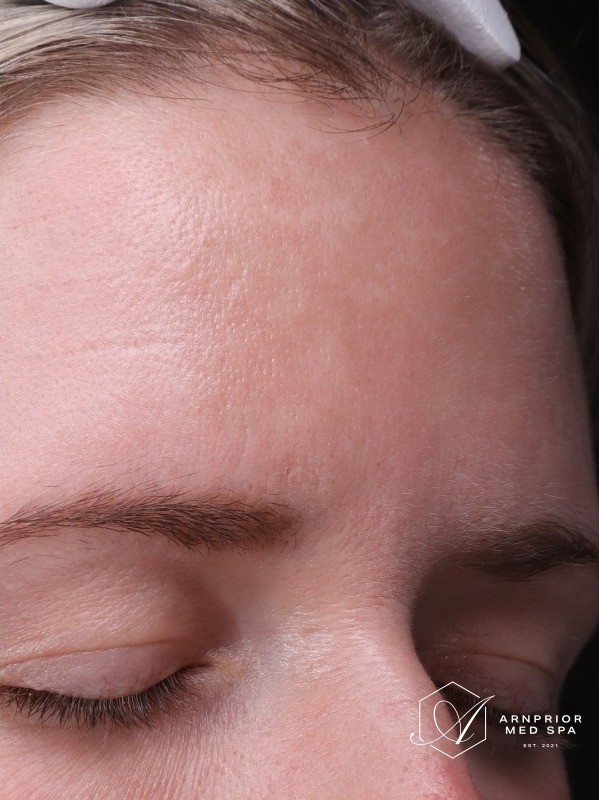
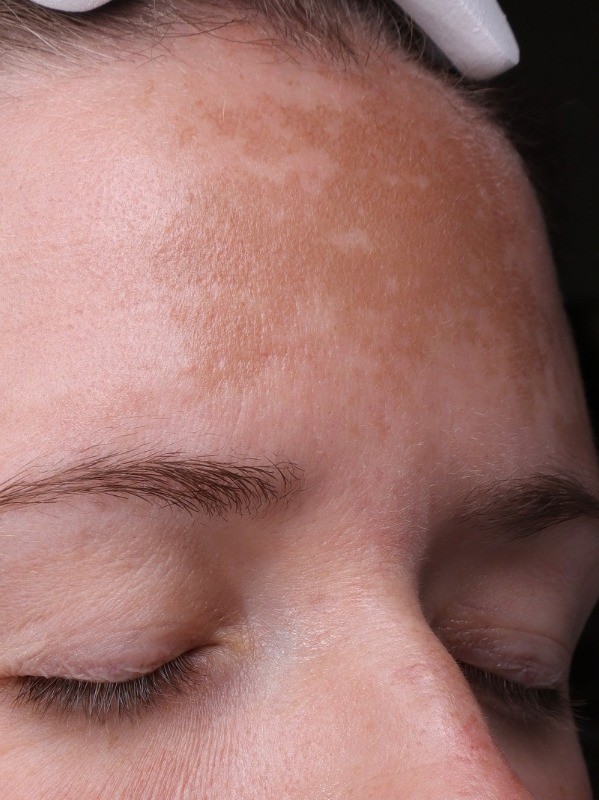
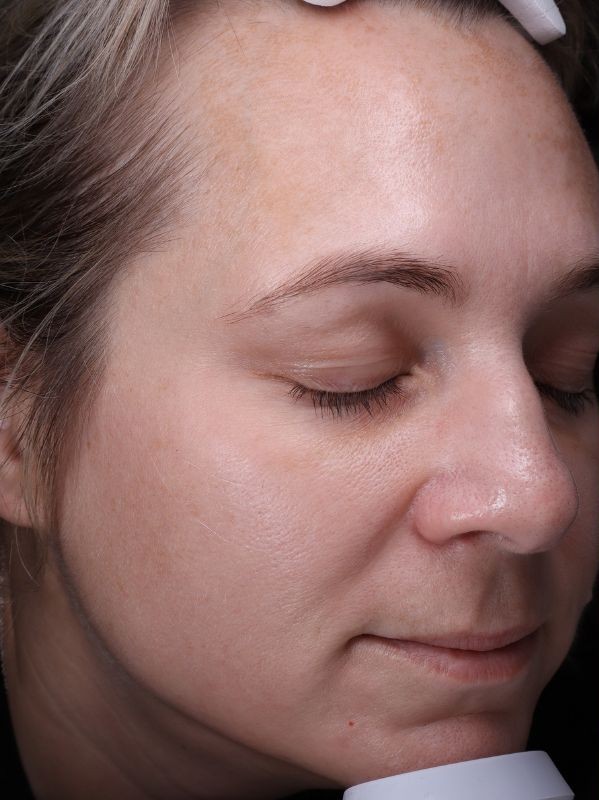
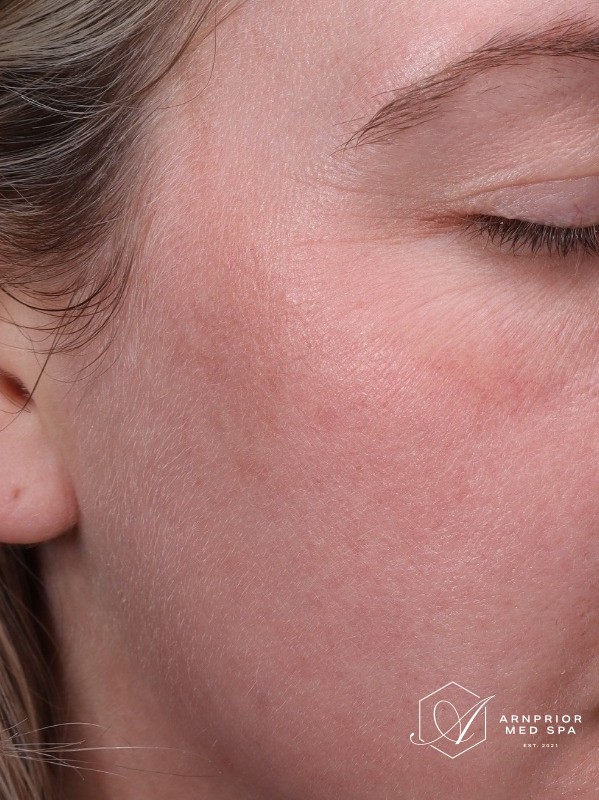
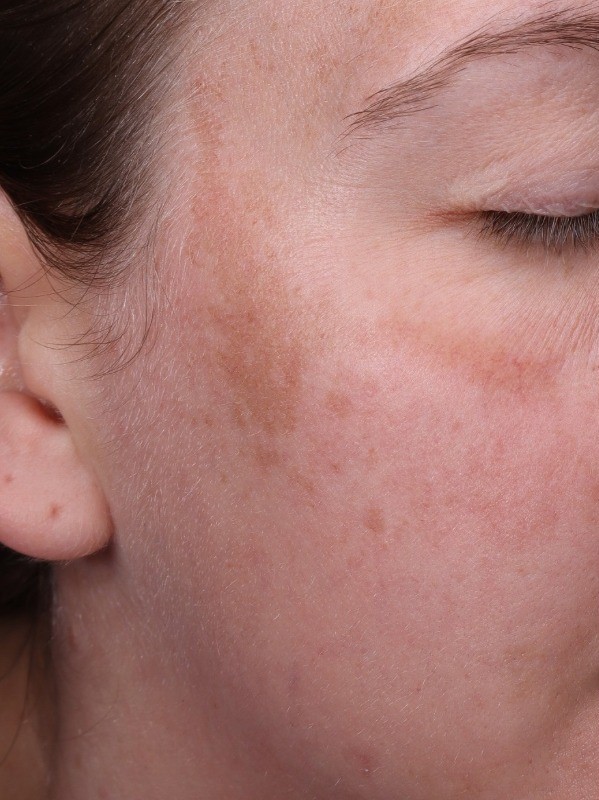
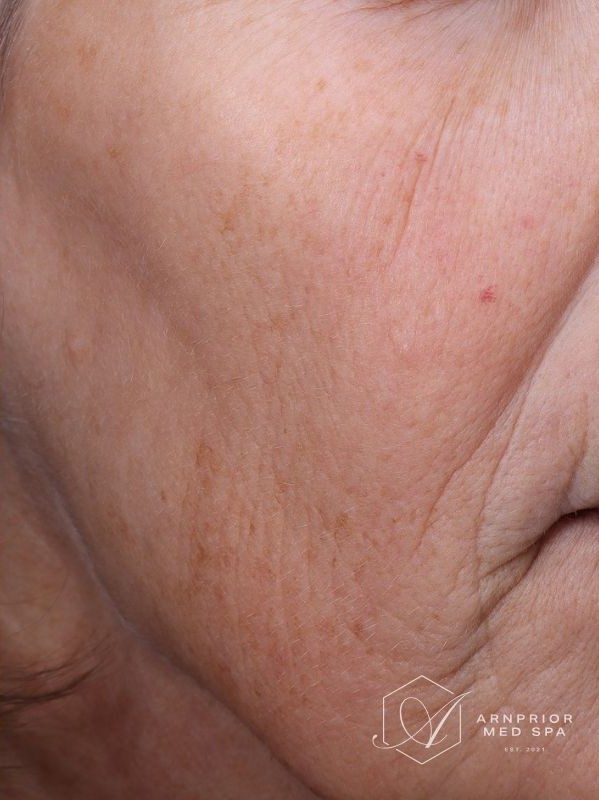
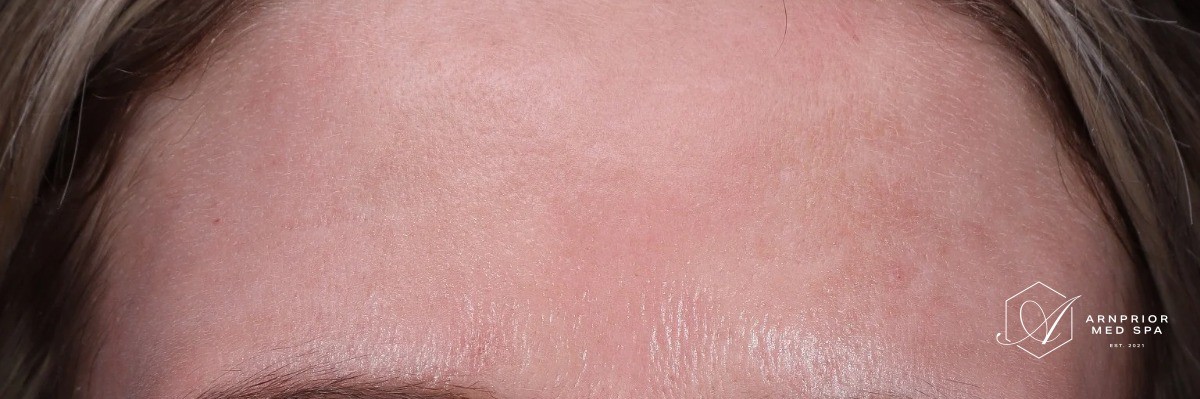
Real patient results, melasma

after, more even forehead pigmentation along the hairline, Arnprior Med Spabefore, more even forehead pigmentation along the hairline, Arnprior Med SpaBeforeAfter

Melasma improvement after 6 weeks of skincare & 1 session of SkinPen Microneedling
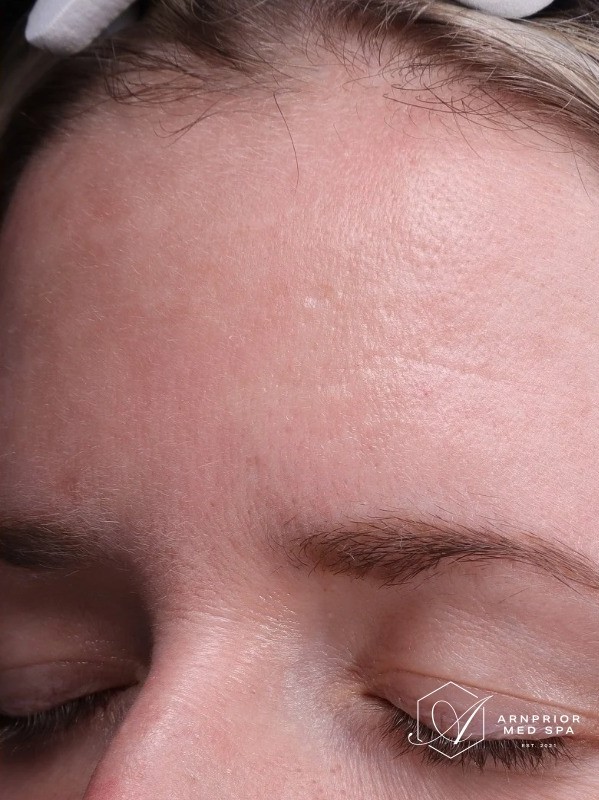
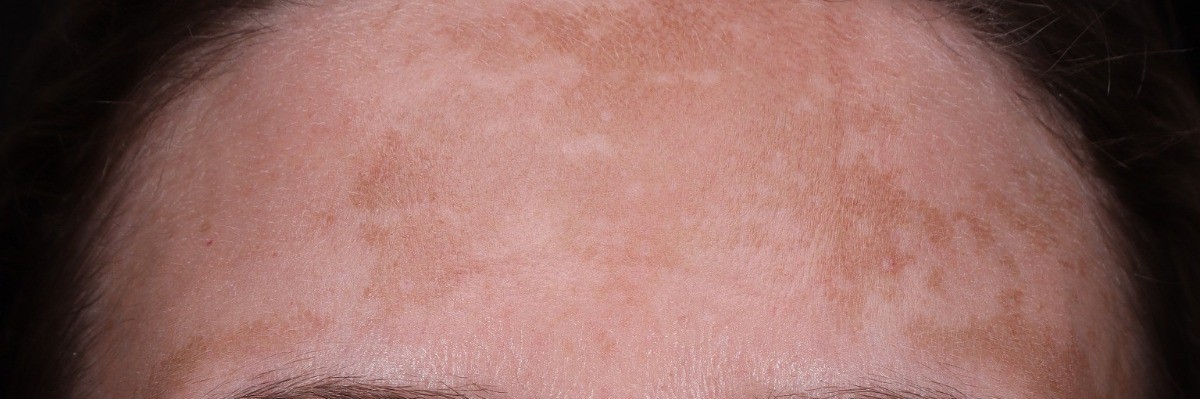
after, clearer and more even forehead tone, Arnprior Med Spabefore, clearer and more even forehead tone, Arnprior Med SpaBeforeAfter

Melasma improvement after 6 weeks of skincare & 1 session of SkinPen Microneedling
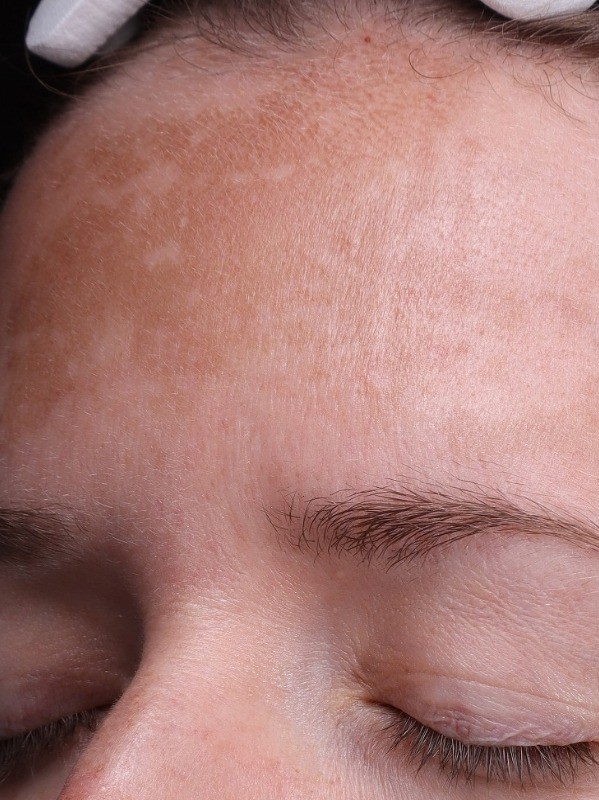
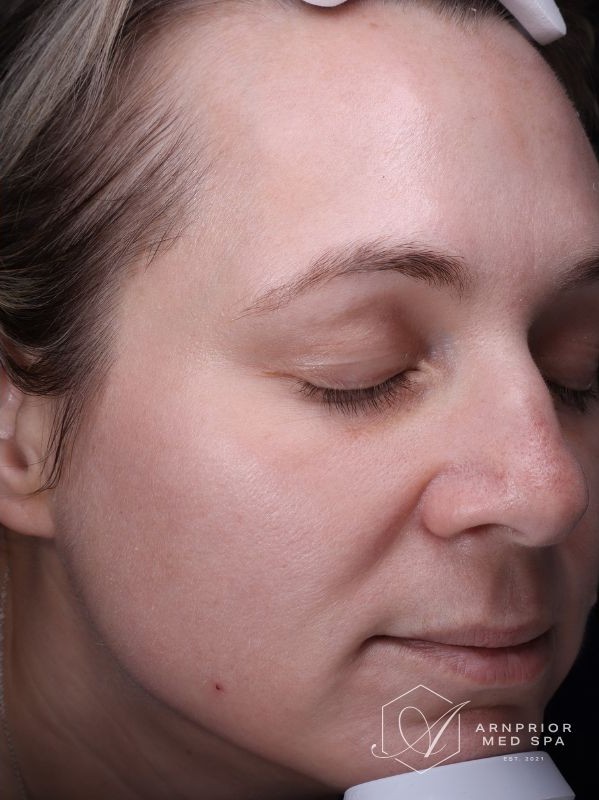
after six weeks of a ZO Skin Health routine, more even forehead pigmentation, Arnprior Med Spabefore six weeks of a ZO Skin Health routine, more even forehead pigmentation, Arnprior Med SpaBeforeAfter

Melasma improvement after 6 weeks of skincare & 1 session of SkinPen Microneedling
Drag any photo to compare

Melasma Is Not Ordinary Pigmentation

Not every brown spot should be treated in the same way.

Melasma is an acquired pigmentation condition that most commonly appears as irregular, often symmetrical patches on the face. Unlike an isolated sunspot, melasma can fluctuate and return after it has improved.

Hormonal changes may contribute, but melasma is rarely caused by one factor alone. Ultraviolet exposure, visible light, genetics, inflammation and individual skin biology may all influence its behaviour.

That is why treating every patch of pigment with the same laser settings can produce disappointing—and occasionally counterproductive—results.

The first goal is to determine whether the pigmentation is consistent with melasma, sun damage, post-inflammatory hyperpigmentation or a combination of concerns.

Why Melasma Keeps Returning

Trigger Signals

Ultraviolet exposure, visible light, hormonal influences and inflammation can stimulate pigment-producing cells.

Melanocyte Activation

Melanocytes begin producing and transferring more pigment into the surrounding skin.

Visible Pigment

Pigment may appear in more superficial, mixed or less clearly defined patterns. This can influence how the skin responds to treatment.

Recurrence

A treatment may reduce visible pigment without removing the skin’s tendency to produce it. When triggering signals continue, the discolouration can gradually return.

This is why maintenance is part of melasma treatment—not an indication that the original plan failed.

How We Approach Melasma Treatment

Melasma treatment begins with pigment control and photoprotection—not automatically with a laser. Procedures may be added after the skin has been assessed and prepared, but treatment selection depends on the pigment pattern, skin tone, previous reactions and likelihood of recurrence.

Skin Preparation and Daily Pigment Control

Clinician-guided skincare and daily photoprotection form the foundation of every melasma plan. The goal is to reduce avoidable pigment stimulation, support the skin barrier and gradually regulate pigment production without creating unnecessary inflammation.

Your regimen may include pigment-regulating ingredients, antioxidants, barrier-supportive products, carefully introduced retinoids or exfoliants, and broad-spectrum sun protection. For many clients, a tinted sunscreen containing iron oxides is recommended to provide additional protection from visible light.
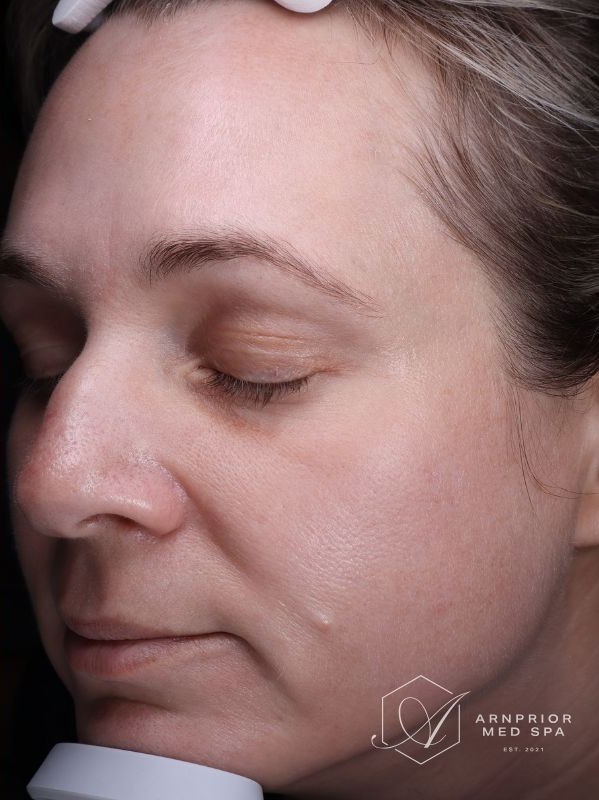
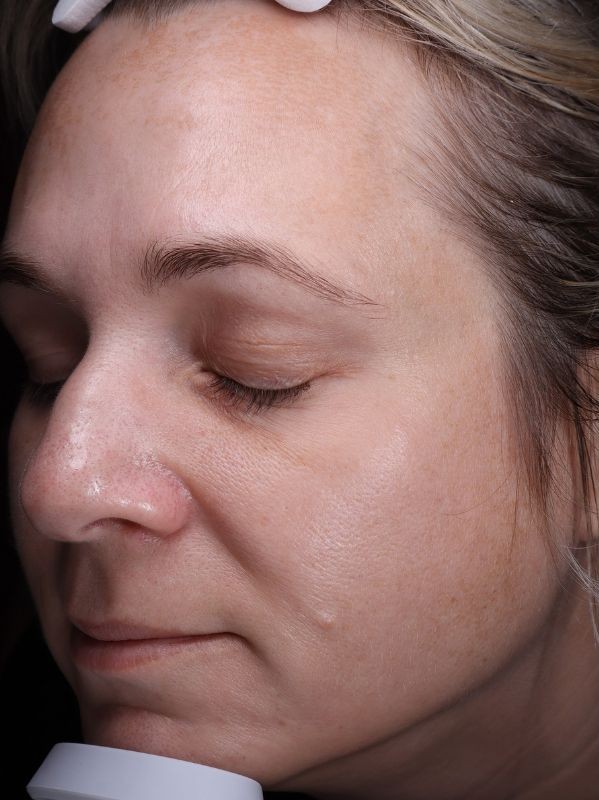
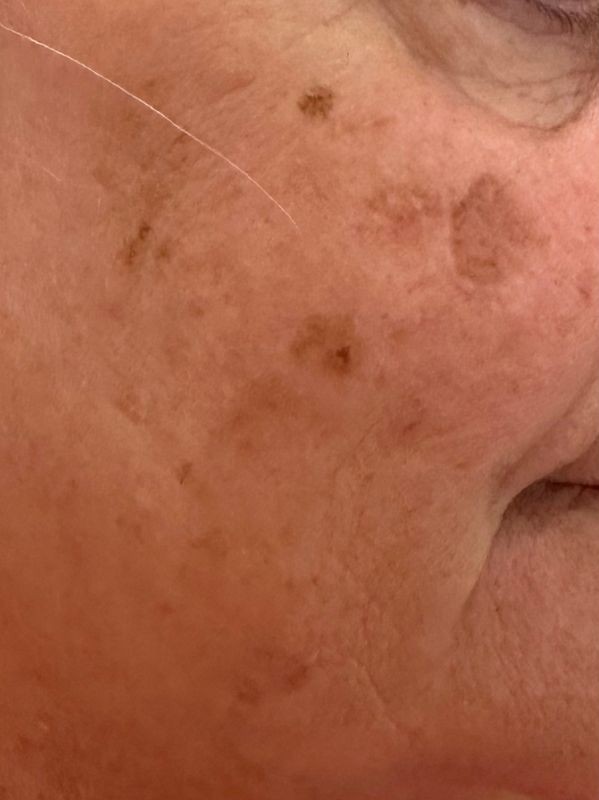
Melasma after LaseMD Ultra resurfacing laser treatmentMelasma before LaseMD Ultra resurfacing laser treatmentBeforeAfter

Melasma improvement after LaseMD Ultra
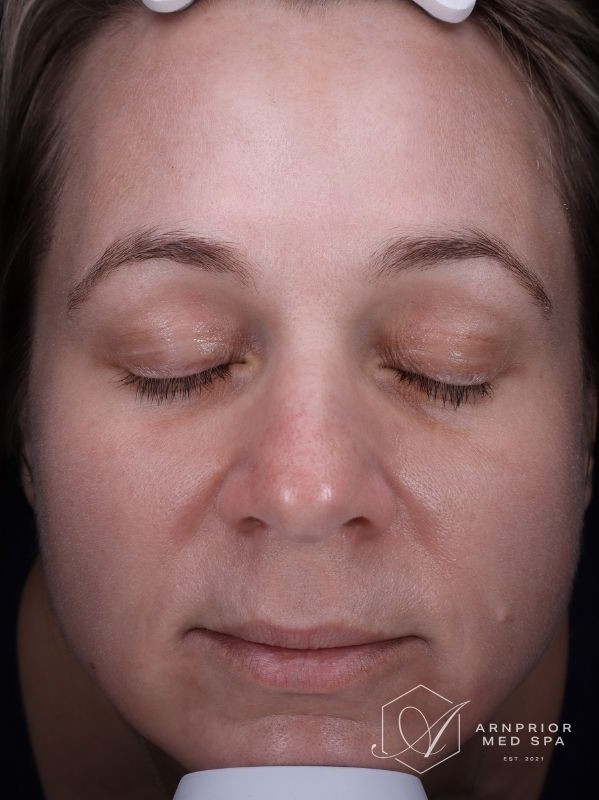
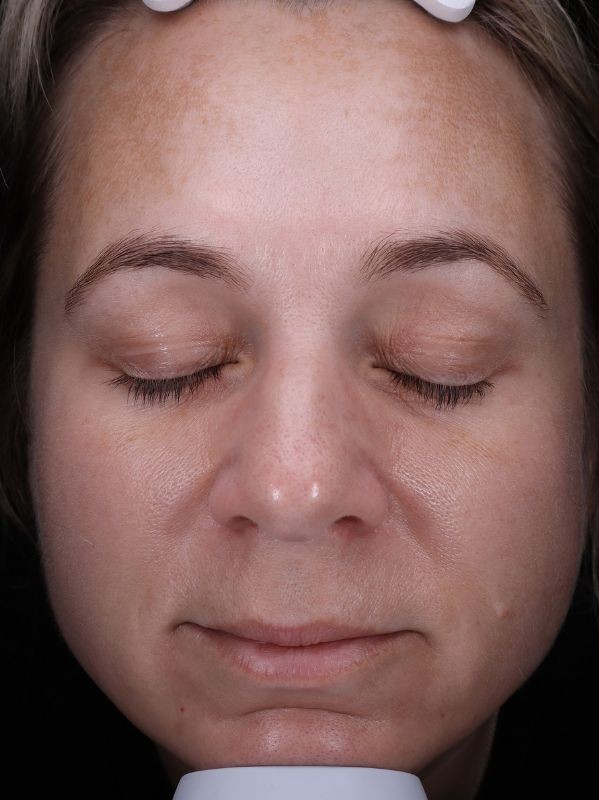
LaseMD Ultra Skin Resurfacing Melasma Hyperpigmentation, afterLaseMD Ultra Skin Resurfacing Melasma Hyperpigmentation, beforeBeforeAfter
Melasma hyperpigmentation after laser skin resurfacingMelasma hyperpigmentation before laser skin resurfacingBeforeAfter

Melasma improvement after LaseMD Ultra
Drag any photo to compare

LaseMD Ultra for Selected Melasma Treatment Plans

LaseMD Ultra is a non-ablative fractional 1927 nm thulium laser. It creates microscopic treatment zones while leaving surrounding skin intact to support recovery.

In selected, adequately prepared clients, LaseMD Ultra may help improve superficial pigmentation, uneven tone and accompanying photodamage. It is not a cure for melasma, and it is not automatically appropriate for every pigment pattern or skin tone.

Treatment intensity, timing and aftercare are selected carefully because excessive irritation or inflammation may contribute to pigment recurrence.
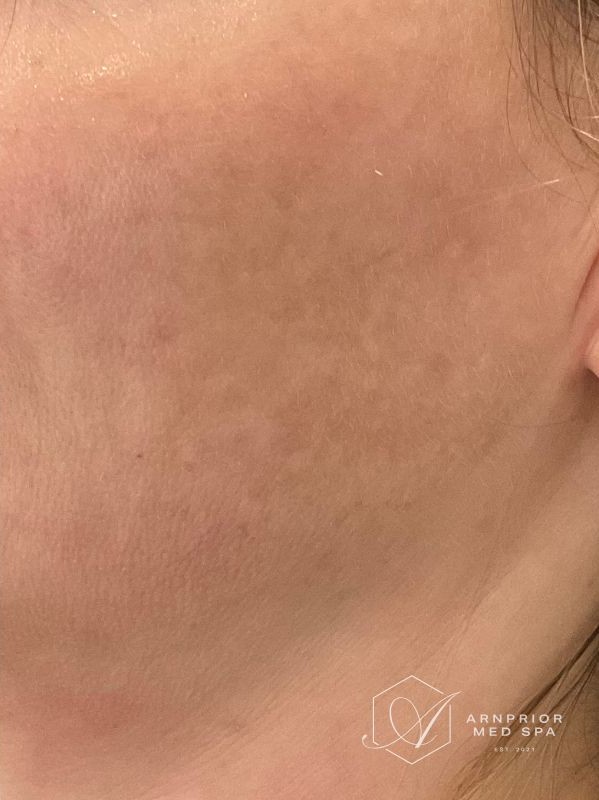
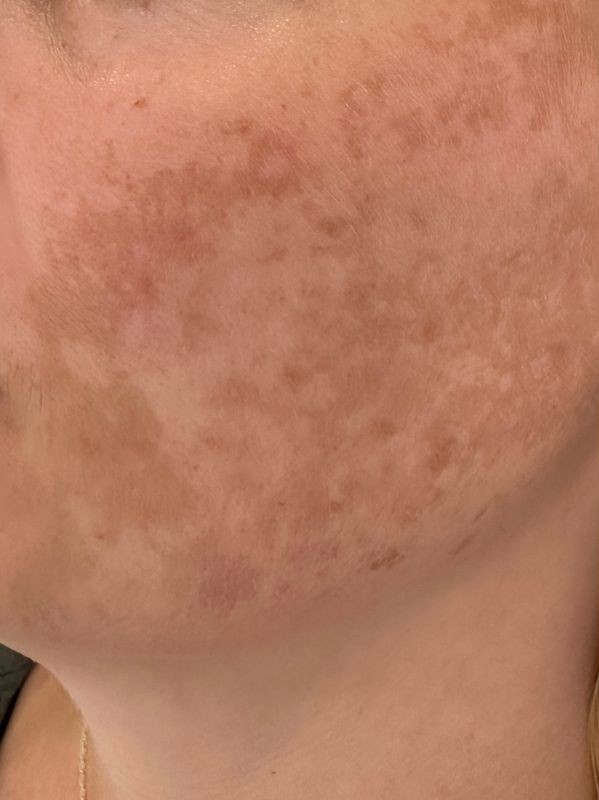
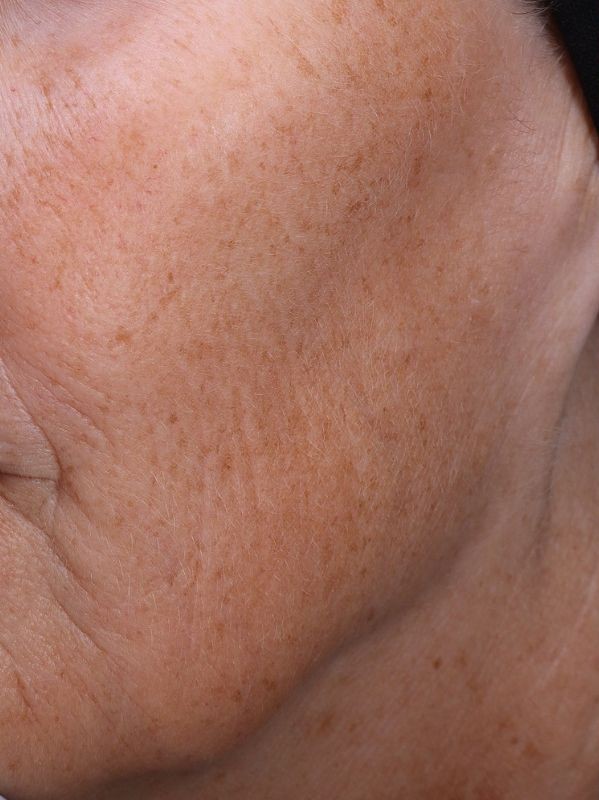
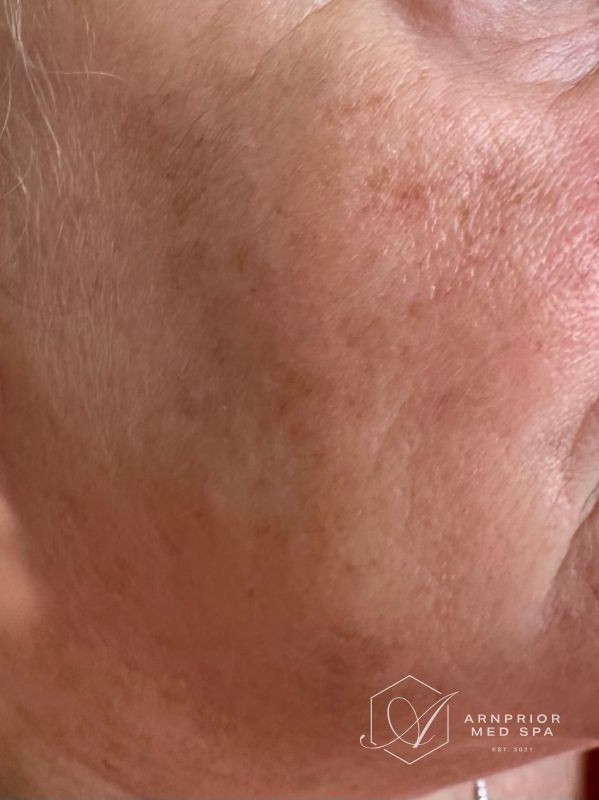
Melasma after laser toning treatmentMelasma before laser toning treatmentBeforeAfter

Melasma before and after laser toning treatment
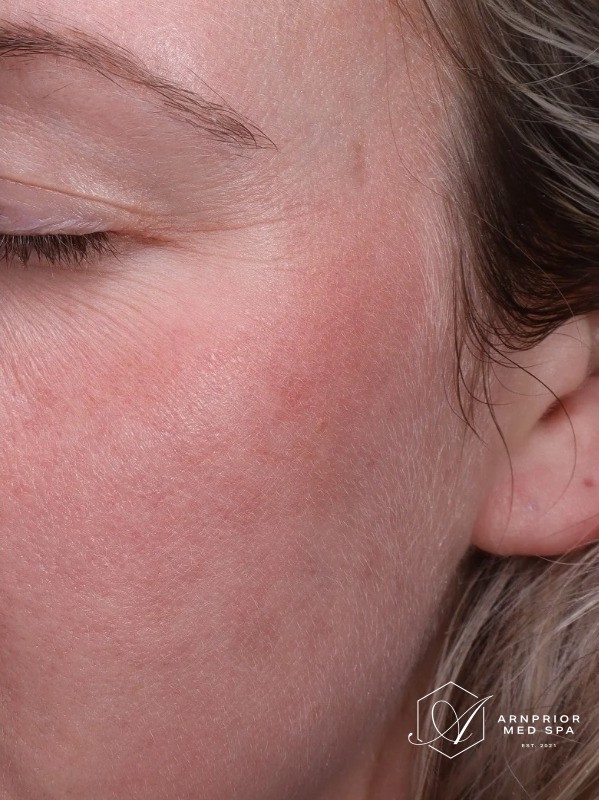
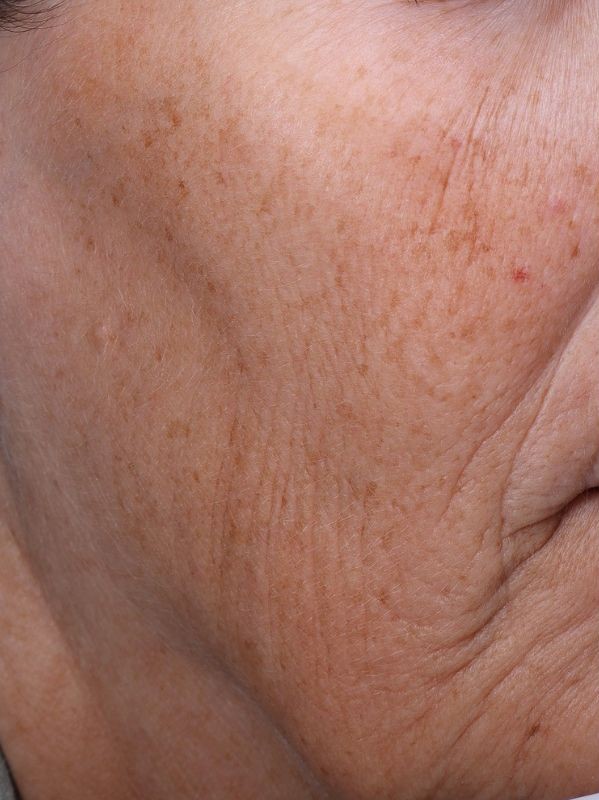
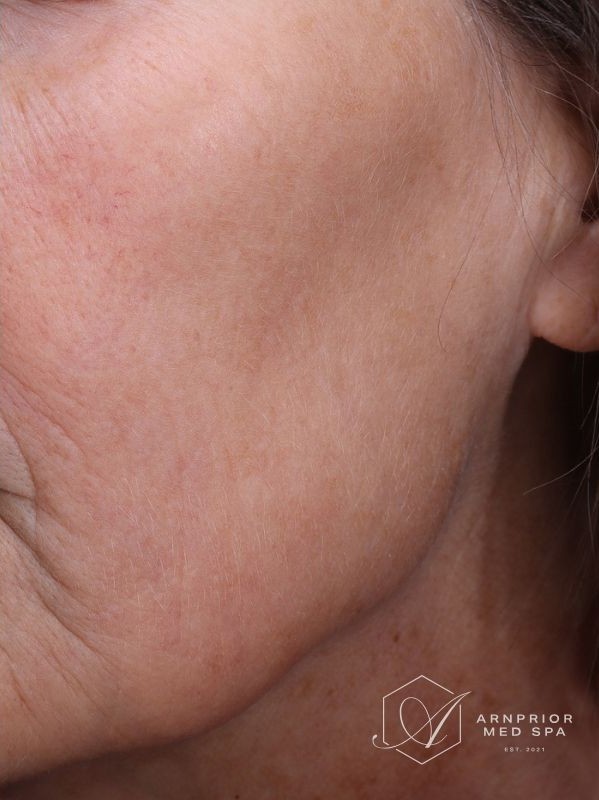
after, reduced pigmentation and freckling across the cheek, Arnprior Med Spabefore, reduced pigmentation and freckling across the cheek, Arnprior Med SpaBeforeAfter
after, lighter patch of facial pigmentation on the cheek, Arnprior Med Spabefore, lighter patch of facial pigmentation on the cheek, Arnprior Med SpaBeforeAfter

Drag any photo to compare

Hollywood Spectra Laser Toning

Hollywood Spectra may be selected as a gentle, low-downtime option for certain melasma patterns. Laser toning uses carefully controlled energy and is generally performed as a progressive treatment rather than an aggressive attempt to clear pigment in one session.

It is not appropriate for every client, and results depend on skin type, triggers, preparation and ongoing maintenance.

Hyperpigmentation after Laser Toning in Arnprior OntarioHyperpigmentation before Laser Toning in Arnprior OntarioBeforeAfter

Hyperpigmentation before and after 1 session of Laser Toning

Hyperpigmentation after Laser Toning in Arnprior OntarioHyperpigmentation before Laser Toning in Arnprior OntarioBeforeAfter

Hyperpigmentation before and after 1 session of Laser Toning

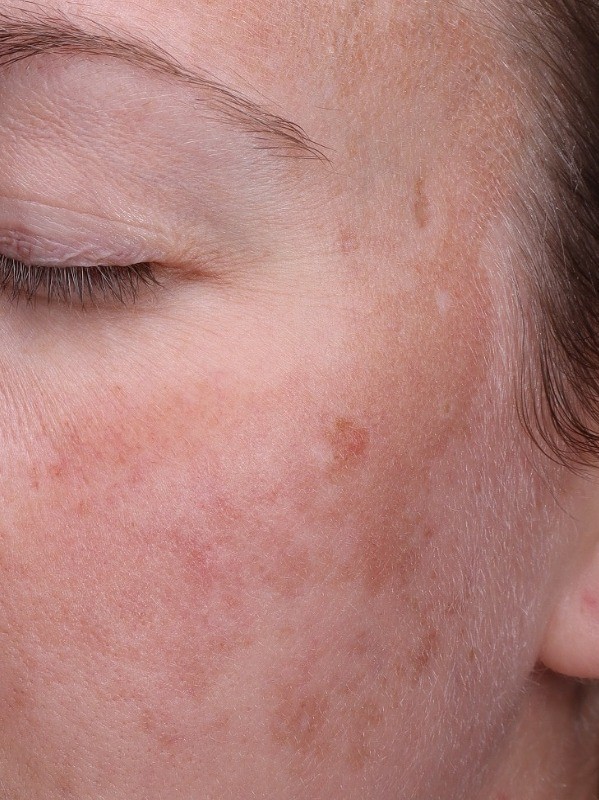
Hyperpigmentation after Hollywood Spectra laser toning treatmentHyperpigmentation before Hollywood Spectra laser toning treatmentBeforeAfter

Hyperpigmentation before and after laser toning treatment series
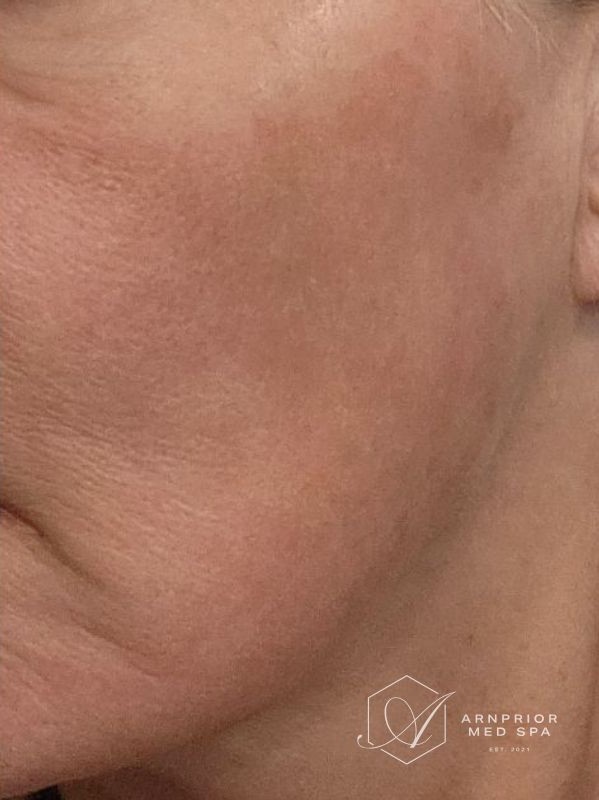
Drag any photo to compare

DOWNTIME: Typically minimal. Temporary redness or sensitivity may occur.

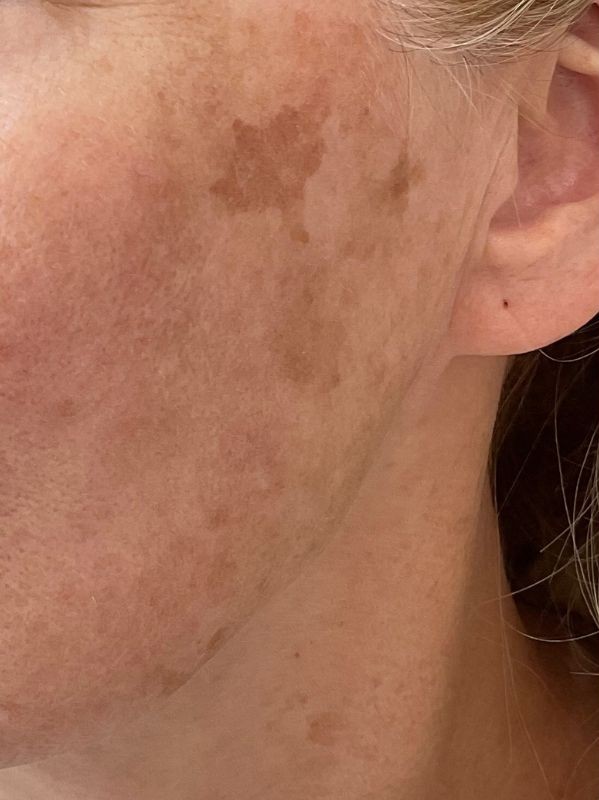
Melasma after laser toning treatmentMelasma before laser toning treatmentBeforeAfter

Melasma before and after laser toning treatment series
Hyperpigmention after LaseMD laser resurfacing and laser toningHyperpigmention before LaseMD laser resurfacing and laser toningBeforeAfter

Hyperpigmentation before and after a treatment plan incorporating LaseMD Ultra and Hollywood Spectra laser toning

Drag any photo to compare

A Thoughtful, Staged Approach

Your Melasma Plan Is Built in Stages

Melasma management is rarely one product or one procedure. Your plan is developed gradually, based on your pigmentation pattern, skin history and response over time.

01

Assess

We begin by determining whether your pigmentation appears consistent with melasma, sun damage, post-inflammatory hyperpigmentation or a combination. We also review your skin type, history, previous treatments and known triggers.

02

Prepare

Before introducing a procedure, we may recommend clinician-guided skincare and daily photoprotection to support the skin barrier and reduce avoidable pigment stimulation.

03

Treat Selectively

Treatment may include a chemical peel, LaseMD Ultra, Hollywood Spectra laser toning or another carefully selected approach. Not every client requires laser treatment.

04

Reassess and Maintain

We monitor how your skin responds before deciding what comes next. Long-term care may include continued skincare, daily photoprotection and occasional maintenance treatments.

Start With the Right Assessment—not a Device

Understand your pigmentation and receive a clear, realistic plan before committing to treatment.

Start With a Skin Consultation

Melasma Care in Arnprior and the Ottawa Valley

Arnprior Med Spa provides nurse-led melasma assessment and individualized pigmentation plans for clients from Arnprior, Ottawa, Kanata, Stittsville, Renfrew, Carleton Place, Pembroke, Petawawa and throughout the Ottawa Valley.
Our approach is designed for clients who want to understand their pigmentation, prepare their skin properly and follow a realistic long-term management plan.

Frequently asked questions

Melasma is a chronic pigmentation condition that usually appears as irregular brown or grey-brown patches, most commonly on the cheeks, forehead, upper lip or jawline.

It is influenced by several interconnected factors, including ultraviolet radiation, visible light, hormonal influences, genetics, inflammation and individual skin biology. Because those triggers can remain active, melasma often improves and returns in cycles.

Melasma, sunspots and post-inflammatory pigmentation can look similar, but they do not always respond to the same treatment.

Sunspots are usually more clearly defined and directly associated with cumulative sun exposure. Melasma often appears in broader, symmetrical patches and may be influenced by hormones, heat and visible light. Post-inflammatory hyperpigmentation develops after inflammation or injury, including acne.

A proper assessment is important because treating presumed sun damage too aggressively when it is actually melasma may worsen the pigmentation.

Melasma is generally considered a chronic, recurring condition rather than something that can always be permanently cured.

Many clients can achieve meaningful improvement, but maintaining that improvement usually requires ongoing photoprotection, appropriate skincare and occasional maintenance treatment. Our goal is controlled, long-term management—not the promise of permanent clearance.

There is no single best treatment for every case of melasma.

An appropriate plan may include daily broad-spectrum and visible-light photoprotection, pigment-regulating skincare, prescription therapy coordinated with an authorized prescriber when appropriate, chemical peels, gentle laser toning or selected fractional laser treatment.

The safest choice depends on the pigment pattern, skin type, medical history, current skin condition and previous treatment response.

The investment depends on whether your plan begins with skincare alone or includes a series of peels or laser treatments. Following your assessment, you will receive a staged plan outlining the recommended preparation, procedures, expected maintenance and associated costs before deciding whether to proceed.

Yes. Melasma can become darker when treatment creates excessive heat or inflammation, particularly when the skin has not been properly assessed or prepared.

This does not mean that all lasers must be avoided. It means that the device, treatment intensity, timing and client selection matter. At Arnprior Med Spa, laser is used selectively rather than automatically.

LaseMD Ultra can be a helpful option for appropriately selected clients.

Its 1927 nm thulium wavelength creates microscopic treatment zones primarily within the skin’s superficial layers. Clinical studies have reported improvement in melasma following fractional 1927 nm treatment, but recurrence and post-inflammatory pigmentation can still occur.

For that reason, we consider LaseMD Ultra one component of a comprehensive plan—not a stand-alone cure or the correct treatment for every client.

Neither treatment is universally better. They work differently and may serve different roles.

Hollywood Spectra may be selected for gentle pigment-focused laser toning with minimal downtime. LaseMD Ultra provides non-ablative fractional treatment and may be chosen when superficial pigmentation, uneven tone or accompanying photodamage is part of the concern.

Some clients may benefit from one technology, a carefully planned combination or no laser initially. The decision is made after assessing the skin rather than asking the client to choose a device.

Often, yes.

Preparation may be recommended to improve skin health, reduce inflammation, regulate pigment activity and establish consistent photoprotection before a procedure is introduced. The exact regimen is individualized because not every client needs the same products or preparation period.

Following a strong home-care routine also helps us determine whether a procedure is necessary and how conservatively it should be performed.

Melasma may be influenced by visible light as well as ultraviolet radiation.

A broad-spectrum sunscreen protects against UVA and UVB exposure, while an appropriately tinted product containing iron oxides can provide additional protection from visible light. Consistent daily use is one of the most important parts of melasma management—even when no procedure is being performed.

Selected chemical peels may help improve superficial pigmentation and support more even skin turnover. They are generally used as part of a broader treatment plan rather than as a permanent solution.

The peel type and strength must be selected carefully. A peel that causes excessive irritation may stimulate additional pigmentation instead of improving it.

There is no universal number.

The timeline depends on the type and extent of pigmentation, your skin’s response, the treatment selected and how consistently triggers are managed. Some clients begin with skincare and photoprotection alone, while others progress to a carefully spaced series of peels or laser treatments.

Your plan is reassessed over time rather than committing you automatically to one fixed procedure series.

Melasma usually improves gradually.

Skincare and photoprotection may require several weeks of consistent use before visible changes become apparent. Procedural results also develop over time, and improvement may continue across a treatment series.

Faster or more aggressive treatment is not necessarily better for melasma because excessive inflammation can work against the desired result.

It can. Sunlight, visible light, heat, hormonal influences and inflammation may reactivate pigment production even after substantial improvement.

A recurrence does not necessarily mean that treatment failed. It reflects the chronic nature of melasma and is why maintenance skincare and photoprotection are built into the treatment plan.

Treatment options may be limited during pregnancy and breastfeeding, and elective laser procedures or certain topical ingredients may need to be postponed.

We recommend discussing pigmentation changes with your physician and completing an appropriate assessment before beginning a treatment plan. Product and procedure recommendations are made according to individual circumstances and applicable medical guidance.

Melasma can occur across many skin tones, but treatment must be selected carefully because some skin types have a greater tendency to develop post-inflammatory hyperpigmentation.

No laser or procedure should be described as universally safe for every complexion. Skin type, pigment behaviour, treatment history and the likelihood of inflammation must all be considered before proceeding.

Your consultation begins with reviewing your pigmentation pattern, medical and hormonal history, previous treatments, current skincare, sun exposure and known triggers.

We will discuss whether the pigmentation appears consistent with melasma, sun damage, post-inflammatory hyperpigmentation or a combination. From there, we develop a staged plan that may include skin preparation, photoprotection, selected procedures and maintenance.

Melasma should not be treated like an ordinary brown spot.

At Arnprior Med Spa, your plan begins with assessment and skin preparation—not with selling a particular laser. Stacey Foster, RN, BScN, uses a conservative, education-led approach and has advanced training in multiple pigment and resurfacing technologies.

Having several treatment options allows us to select the approach that is most appropriate for your skin rather than forcing every case of pigmentation into one standard protocol.

Begin With the Right Diagnosis