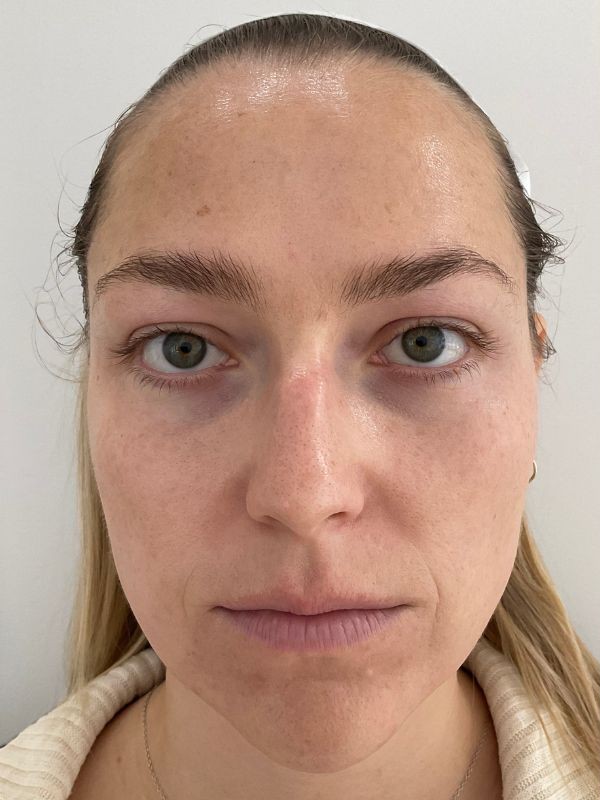
1927 NM NON-ABLATIVE FRACTIONAL THULIUM LASER · ARNPRIOR, ONTARIO

LaseMD Ultra 1927 nm Laser Near Ottawa

Fractional resurfacing for pigmentation, sun damage and uneven skin tone. LaseMD Ultra is a 1927 nm non-ablative fractional thulium laser designed to improve visible sun damage, uneven pigmentation, tone and overall skin quality without ablating the entire surface of the skin.

The short answer

LaseMD Ultra is the fractional laser we reach for when the concern is colour rather than texture. Its 1927 nm wavelength is absorbed close to the surface, where sun damage, brown spots and freckles actually sit, and it treats the skin in microscopic columns rather than removing the surface. That is why most people go straight back to their day afterwards.
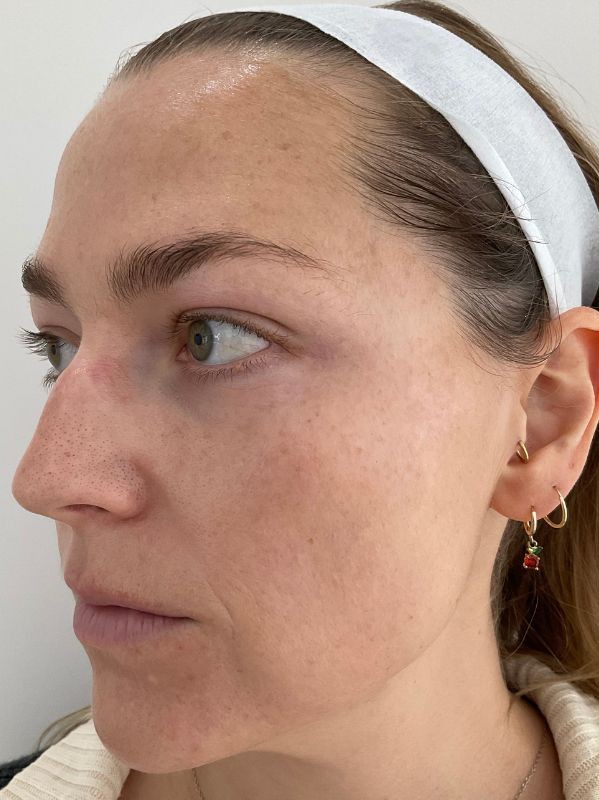
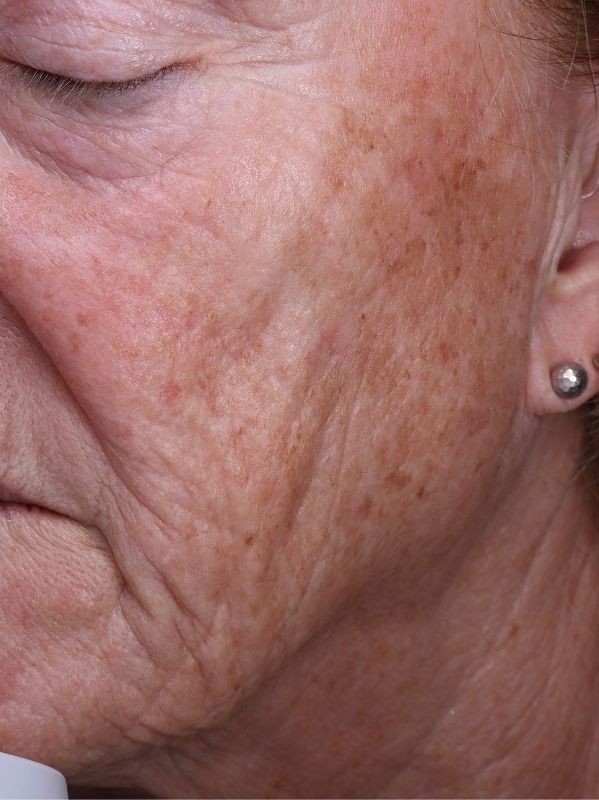
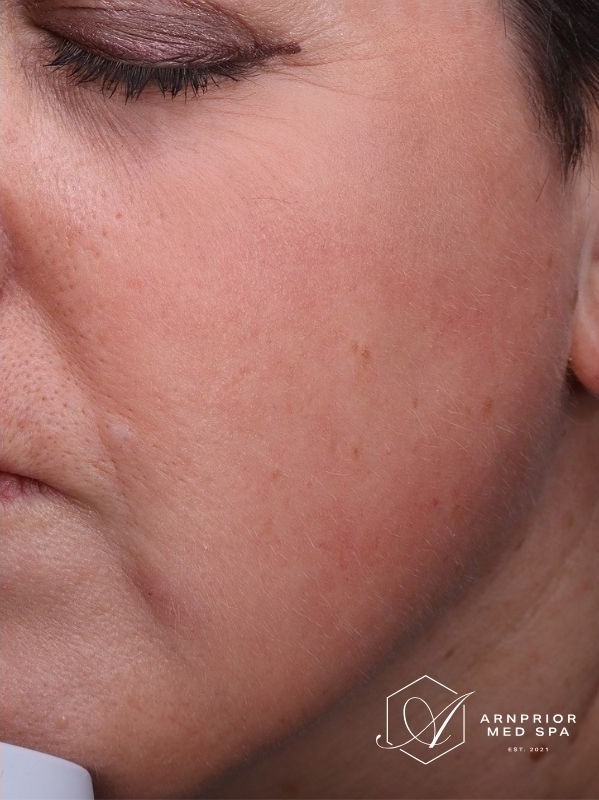
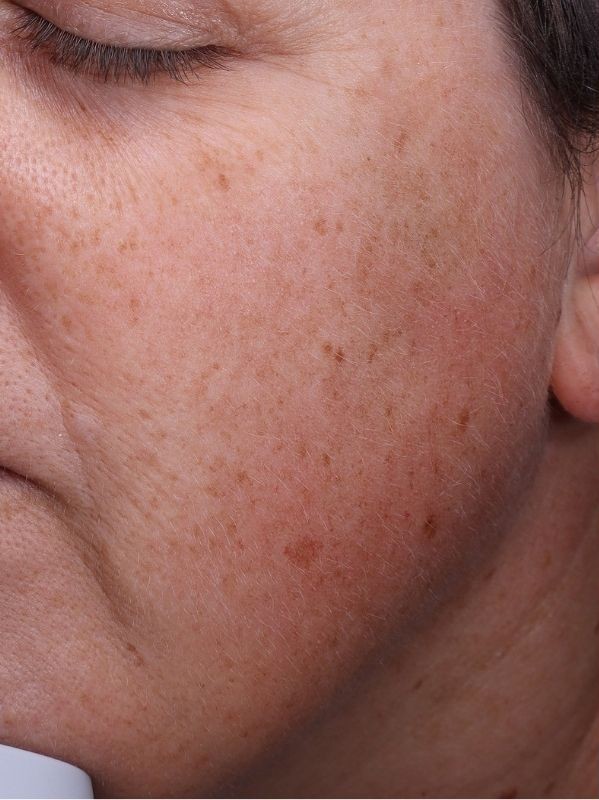
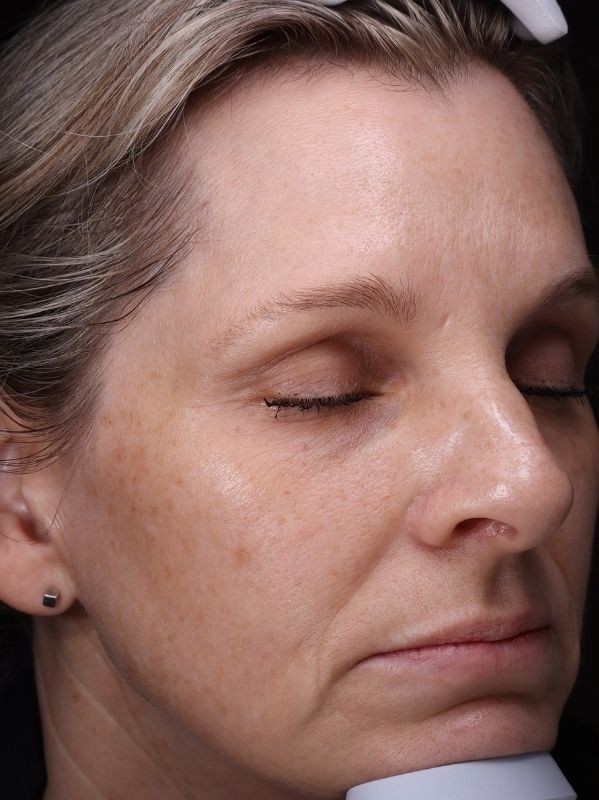
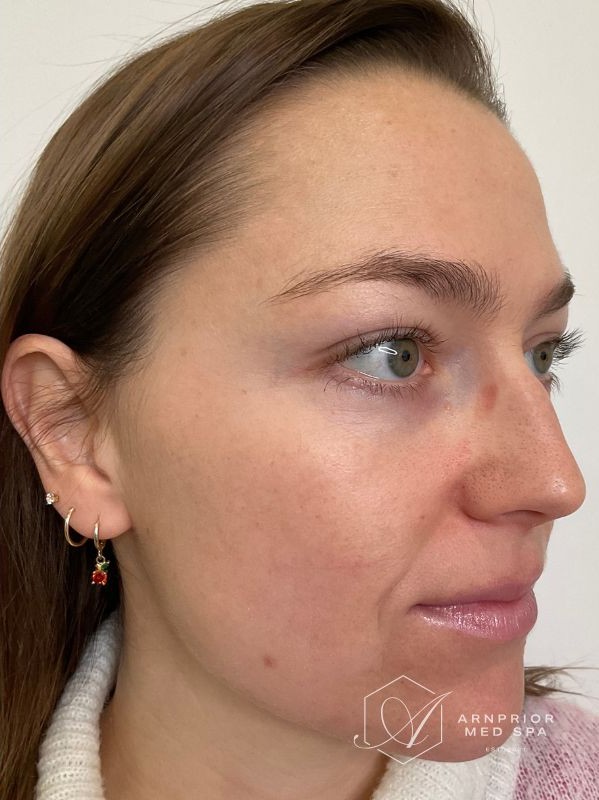
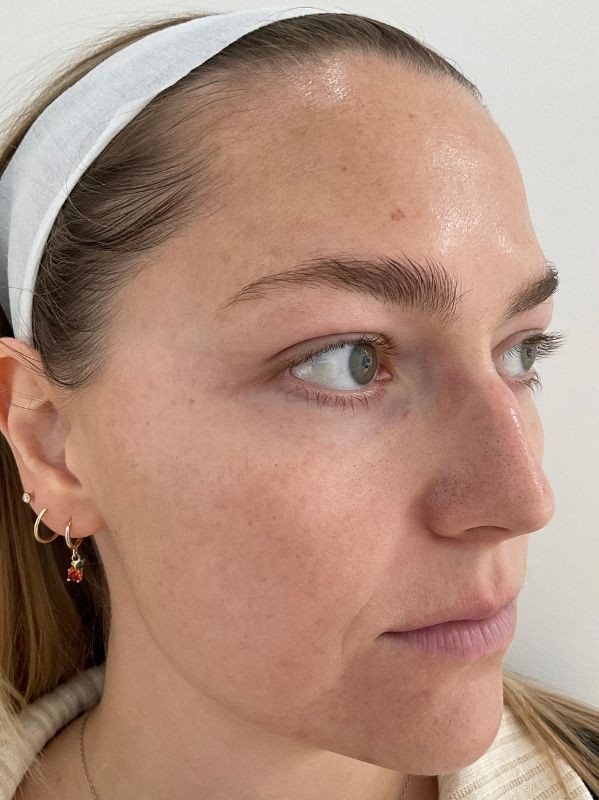
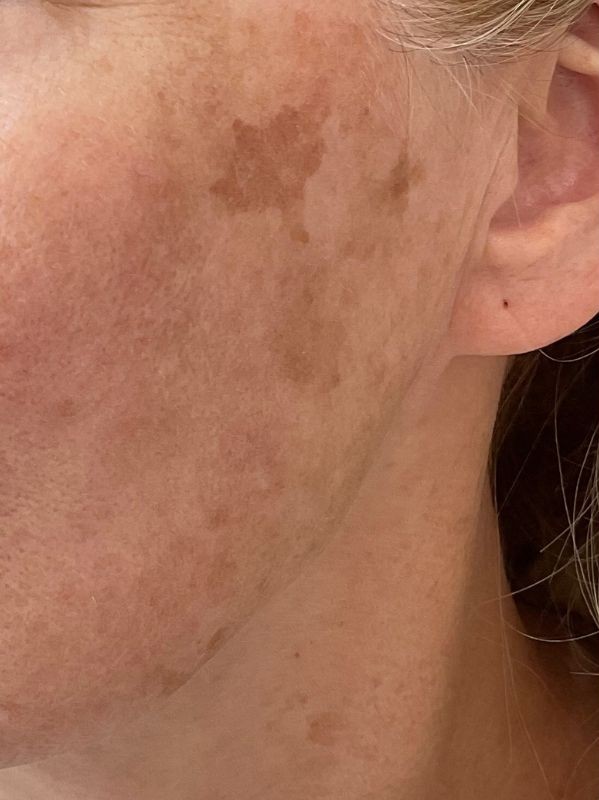
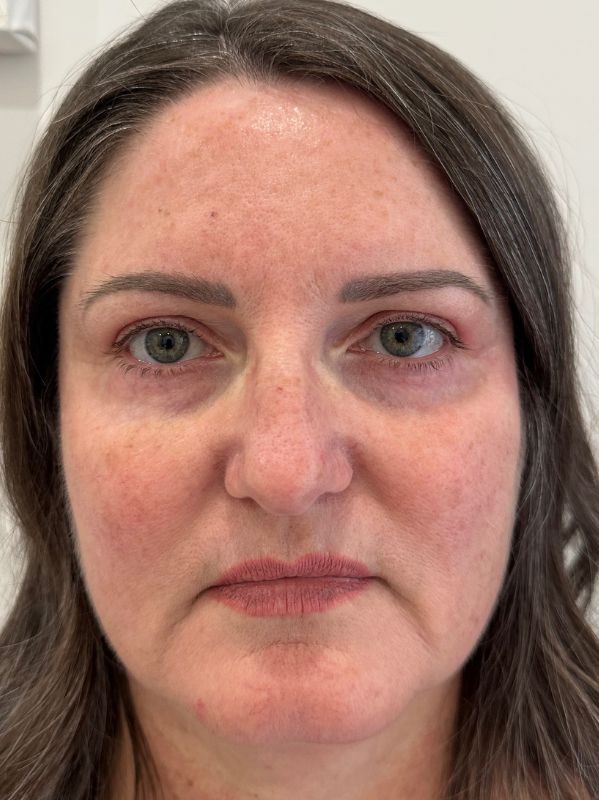
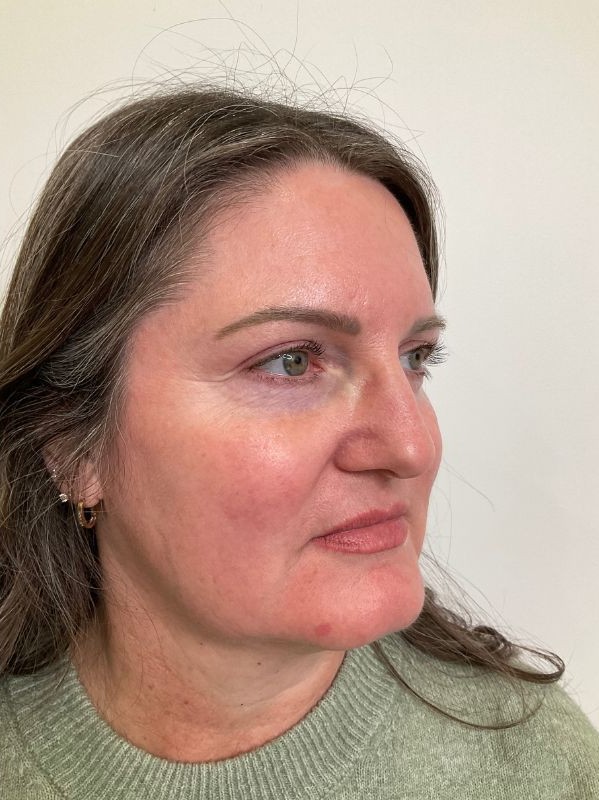
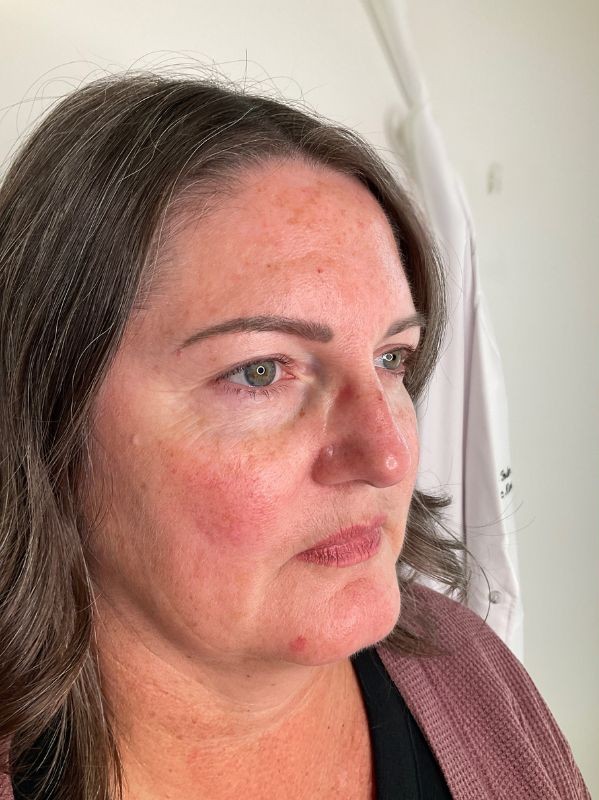
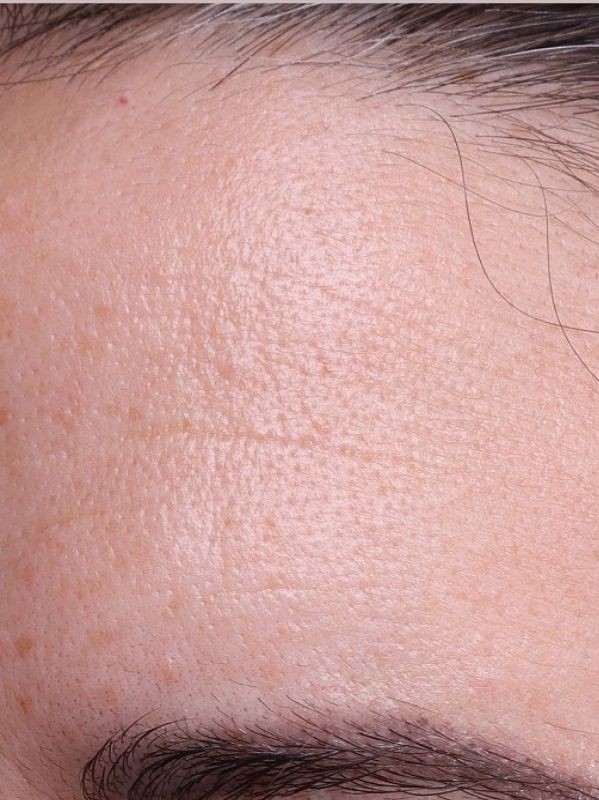
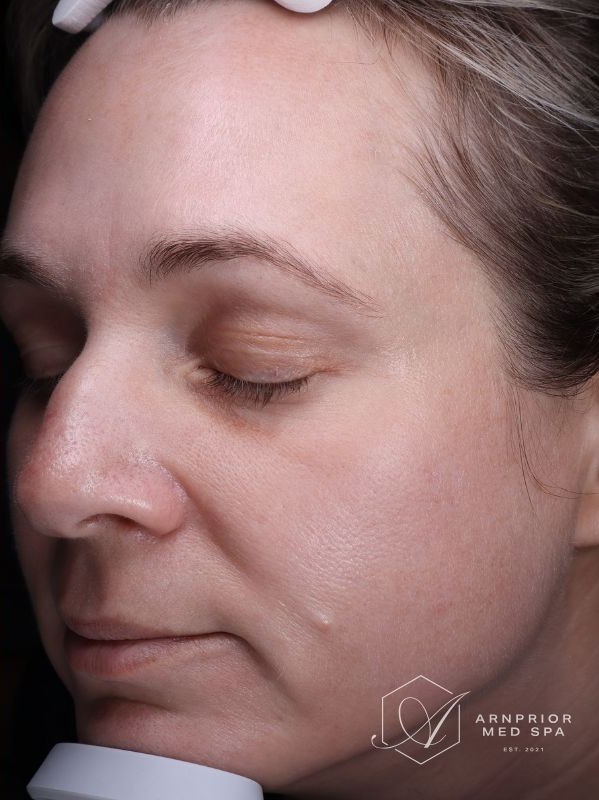
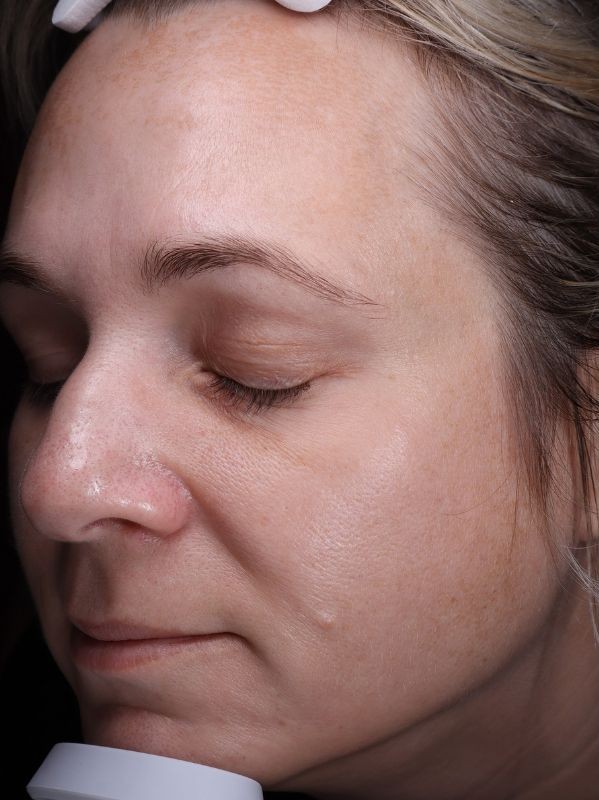
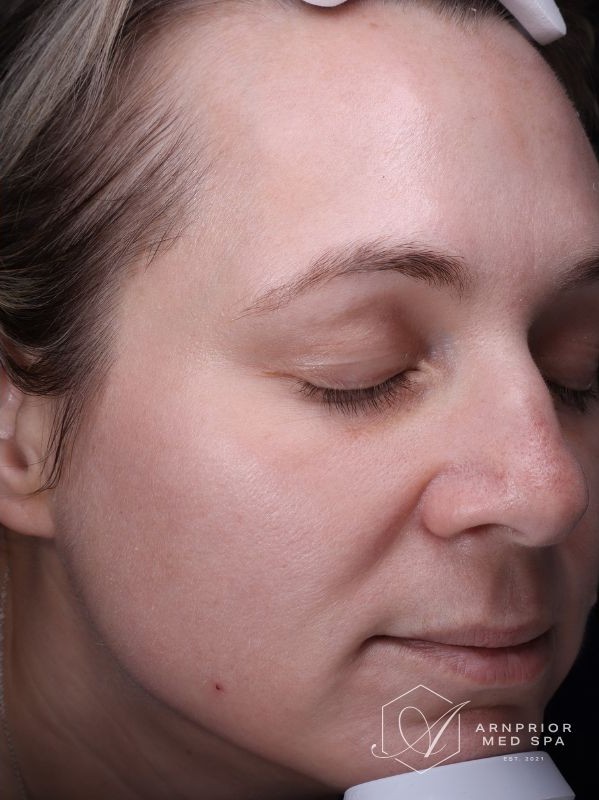
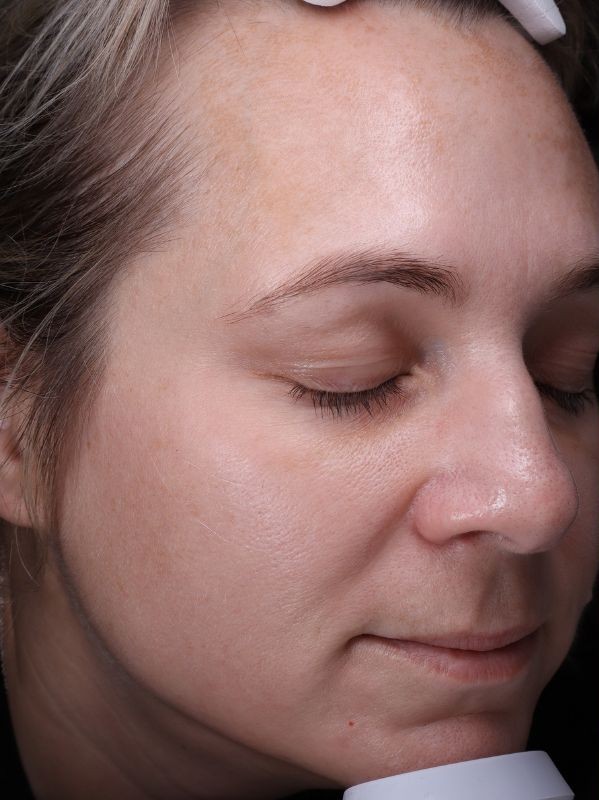
Pigmentation after LaseMD Ultra fractional laser resurfacing at Arnprior Med SpaPigmentation before LaseMD Ultra fractional laser resurfacing at Arnprior Med SpaBeforeAfter
Our own result. Pigmentation and photodamage, treated on the LaseMD Ultra at Arnprior Med Spa. Drag the handle to compare.
Best for
Sun damage, brown spots, freckles, uneven tone and early photoaging
Your appointment
About 10 to 20 minutes, after numbing cream
Downtime
Back to your day right away, about 5 to 7 days of dryness
Sessions
Some skin changes after one, some needs a series

From our own feed

What the 1927 nm wavelength is actually doing

Under a minute, filmed in our own clinic. She shows the handpiece, the micro-channels it opens in the surface of the skin, and why that is the layer sun damage and pigment sit in. Sound on.

  • The middle ground if a week of downtime is what has been stopping you
  • Targets sun damage, pigmentation, uneven tone and texture
  • Redness and a flushed look, but most people fit it around their normal schedule
  • The settings are adjusted to your skin and to the downtime you can give it
Read the full transcript

Want better skin without taking a week off? If you want to improve your skin but the thought of a week of downtime is holding you back, LaseMD Ultra might be the middle ground you’re looking for.

It uses fractional laser energy to target concerns like sun damage, pigmentation, uneven tone and texture, while keeping the treatment much less aggressive than deeper resurfacing. You can expect some redness and a flushed look afterwards, but for many people it’s something they can fit around their regular schedule.

And because resurfacing isn’t one size fits all, the settings can be adjusted depending on your skin, your concerns, and how much downtime you’re comfortable with.

Not sure whether LaseMD Ultra, Mosaic or something deeper makes sense for you? That’s exactly what your consultation is for. Let’s figure it out.

What LaseMD Ultra Does for Your Skin

Your skin looks brighter and more even

LaseMD Ultra is one of the treatments we consider when sun damage, brown spots, uneven pigmentation and dull or uneven tone are the primary concerns.

Rather than focusing only on surface exfoliation, the 1927 nm fractional wavelength creates a controlled treatment response within the skin to support more even-looking tone and progressive improvement in visible photodamage.

Your treatment is set to the pigment we can actually see

Not all pigmentation behaves the same way.

Sun spots, diffuse photodamage, post-inflammatory pigmentation and melasma can require very different treatment strategies. At Arnprior Med Spa, we assess pigment pattern, skin history, triggers, previous treatments and pigmentation risk before deciding whether LaseMD Ultra should be incorporated into your plan.

The goal is not simply to treat what looks brown. It is to understand why the pigment is there and how aggressively it should be treated.

You get real resurfacing without an ablative recovery

LaseMD Ultra is a non-ablative fractional treatment, making it useful for clients who want meaningful improvement in tone and early photoaging without moving directly to a more intensive ablative resurfacing procedure.

Treatment intensity can be adjusted according to the concern being treated and the amount of recovery that fits your skin and goals.

This gives us flexibility to use LaseMD Ultra as anything from a lighter corrective treatment to part of a more structured resurfacing series.

It fits a long term plan, not a one off

Pigmentation is rarely the only change happening in aging or sun-damaged skin.

Uneven tone may exist alongside texture, enlarged pores, fine lines, redness or laxity, which is why LaseMD Ultra is often one part of a broader treatment plan rather than a standalone solution for every concern.

Depending on what we see during your assessment, LaseMD Ultra may be combined strategically with treatments such as Mosaic 3D, vascular laser, RF microneedling, CO₂ resurfacing or an individualized skincare program.

How LaseMD Ultra Works Within the Skin

From Visible Pigment to Progressive Skin Renewal

LaseMD Ultra delivers fractional 1927 nm thulium laser energy across the skin, creating microscopic treatment zones rather than treating the entire surface continuously. The result is a controlled fractional response designed to support improvement in visible photodamage, uneven tone and overall skin quality.

Select a stage to explore how the treatment works

01

Visible Pigment

Sun Damage + Uneven Tone

Visible brown spots, uneven pigmentation and broader photodamage can reflect cumulative changes within the skin. These findings help us determine whether a 1927 nm fractional treatment fits the treatment plan and whether pigment preparation or another technology should be considered first.

Treatment intensity is individualized following assessment. Pigmentation does not always have the same cause, so the appropriate treatment may involve LaseMD Ultra alone or a broader strategy addressing pigment triggers, skin preparation and other contributing concerns.

Advanced Fractional Resurfacing with LaseMD Ultra

Pigmentation is not always just something sitting on top of the skin.
Years of ultraviolet exposure, inflammation, hormonal influences and the natural aging process can contribute to uneven tone, visible brown spots and broader photodamage. Treating these changes well requires understanding both what is causing the pigment and which layer of the skin we are trying to influence.

LaseMD Ultra uses a 1927 nm thulium wavelength delivered fractionally across the skin. Rather than removing the entire surface, the laser creates microscopic treatment zones while surrounding tissue remains intact. Cynosure Lutronic describes the treatment as creating dehydrated microchannels that stimulate skin revitalization while also increasing permeability for selected topical products.

At Arnprior Med Spa, we primarily consider LaseMD Ultra when the treatment goal is improvement in sun damage, uneven pigmentation, brown spots, uneven tone and early photoaging.

This is what distinguishes it from some of our other resurfacing technologies.

LaseMD Ultra → 1927 nm → pigment + photodamage + tone
Mosaic 3D → 1550 nm → texture + pores + deeper fractional remodelling
CO₂ / Er:YAG → ablative resurfacing → more intensive correction

The appropriate treatment is not determined by which laser is strongest. It is determined by what we are trying to change within the skin, how much correction is required and what degree of recovery is appropriate.
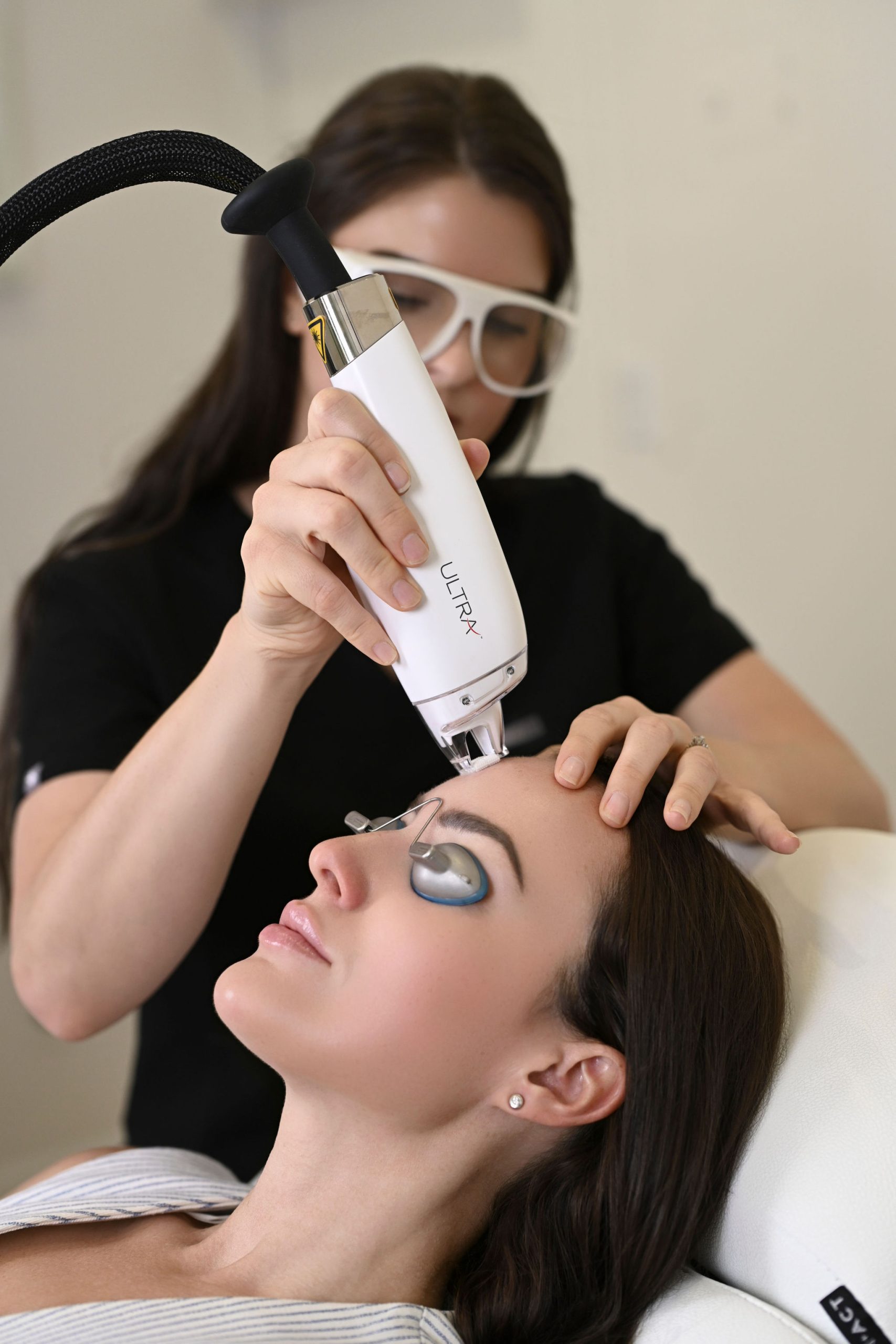
Stacey Foster performing laser resurfacing treatment in Arnrprior, ON

LaseMD Ultra 1927 nm Fractional Resurfacing

Non-ablative fractional laser. Customized to your skin.

LaseMD Ultra delivers fractional 1927 nm thulium laser energy using a 200 μm microbeam and an IntelliTrak™ roller system designed to provide consistent coverage. The platform also incorporates Controlled Chaos Technology™ and real-time energy measurement.

The current Health Canada indication for LaseMD Ultra includes benign pigmented lesions such as lentigines, solar lentigines and freckles. Published research on the broader 1927 nm fractional thulium category also supports its use for photodamage, dyspigmentation and selected melasma cases.

Best For

  • Sun damage • Brown spots • Uneven pigmentation
  • Uneven tone • Freckles • Early photoaging
  • Skin quality · Selected melasma treatment plans

Downtime: Several days of redness, dryness or rough texture may occur.
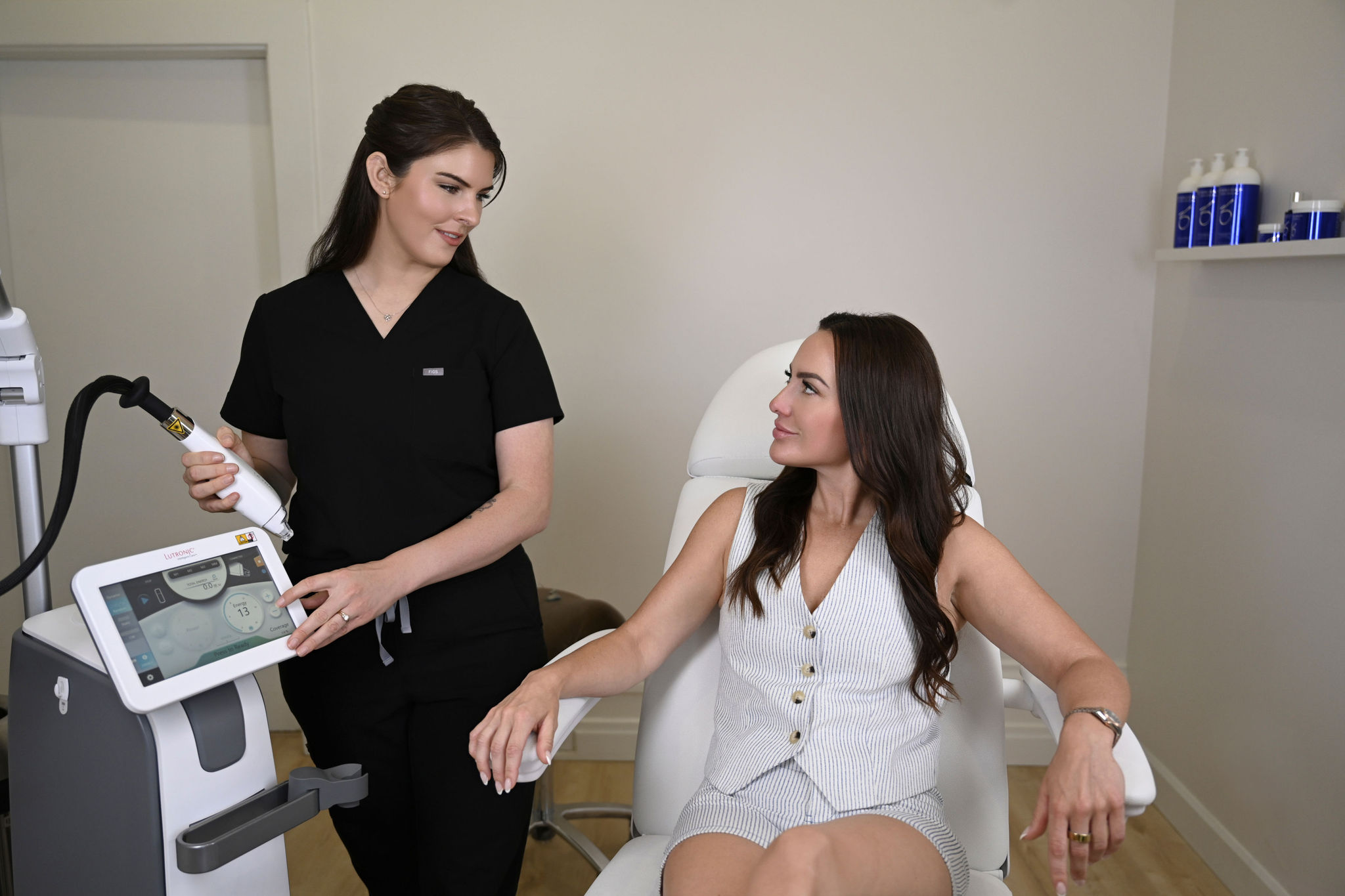
start with a skin consultation
ultra consult

How Does LaseMD Ultra Compare?

Choosing the right fractional laser treatment

LaseMD Ultra uses a 1927 nm non-ablative fractional wavelength, making it particularly useful when the treatment priority is visible sun damage, uneven pigmentation, brown spots, uneven tone and early photoaging.

This differs from treatments such as Mosaic 3D, which uses a 1550 nm wavelength and is more focused on deeper textural remodelling, enlarged pores, fine lines and selected scars. More intensive resurfacing technologies such as CO₂ or Er:YAG may be considered when deeper wrinkles, advanced photoaging or more significant textural correction require an ablative approach.

At Arnprior Med Spa, we do not consider one laser universally “better” than another. Each wavelength interacts with the skin differently, which is why treatment selection is based on the concern being treated, its depth within the skin, your skin characteristics and the amount of recovery appropriate for your goals.

LaseMD Ultra is not simply a lighter resurfacing treatment. It occupies a specific role within our laser portfolio when pigmentation, photodamage and overall skin tone are the primary focus.

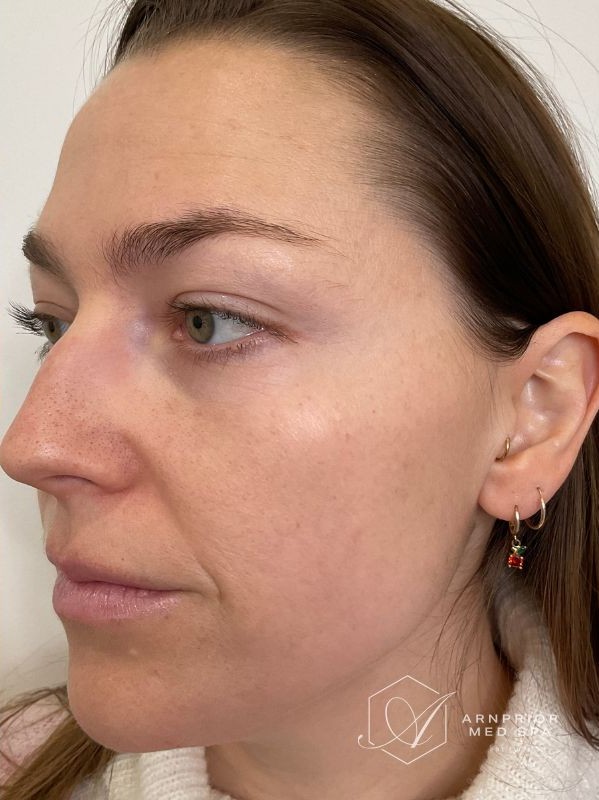
LaseMD Ultra Before & After
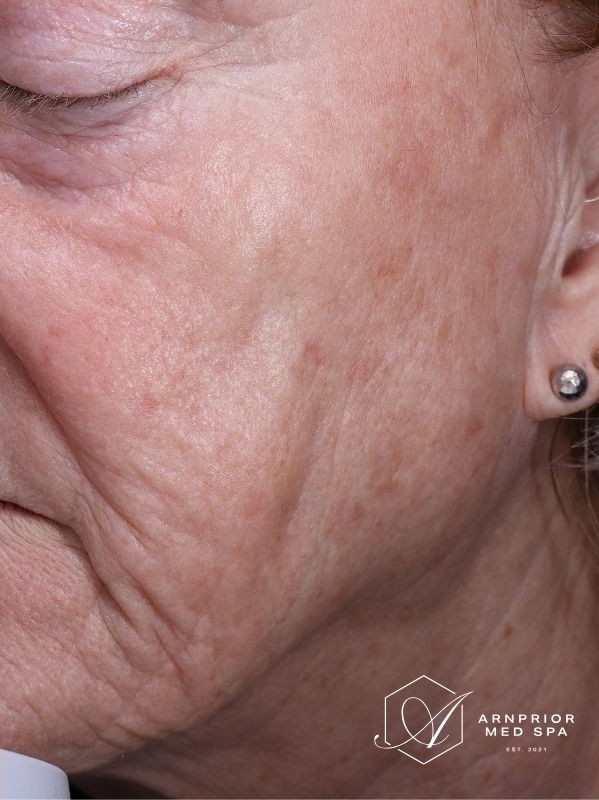
Sun damage after laser resurfacing and Hollywood SpectraSun damage before laser resurfacing and Hollywood SpectraBeforeAfter

Sun damage before and after CO2 laser resurfacing with MDF Laser Toning
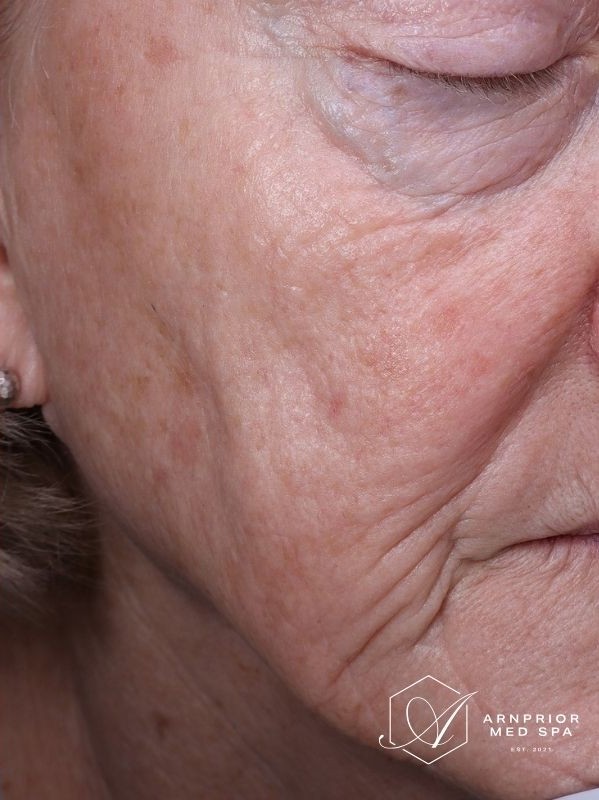
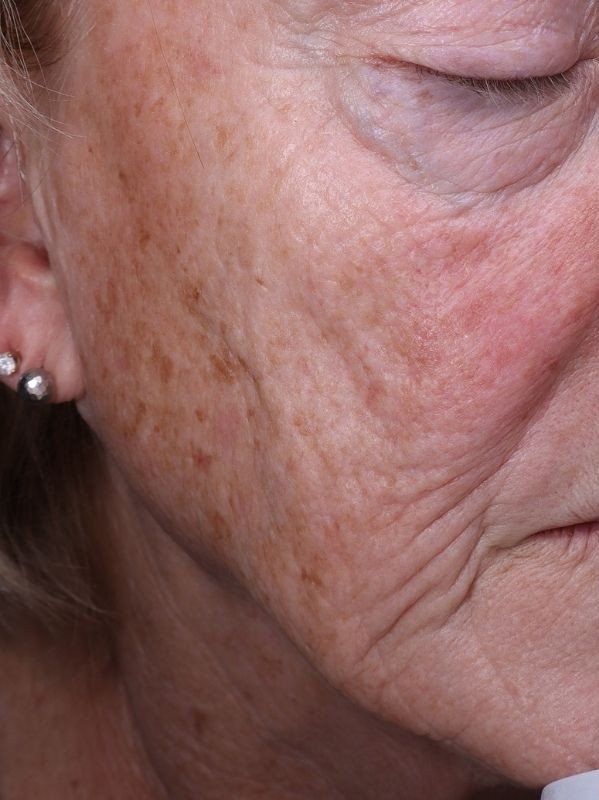
Sun damage after laser resurfacing and Hollywood SpectraSun damage before laser resurfacing and Hollywood SpectraBeforeAfter

Sun damage before and after CO2 laser resurfacing with MDF Laser Toning
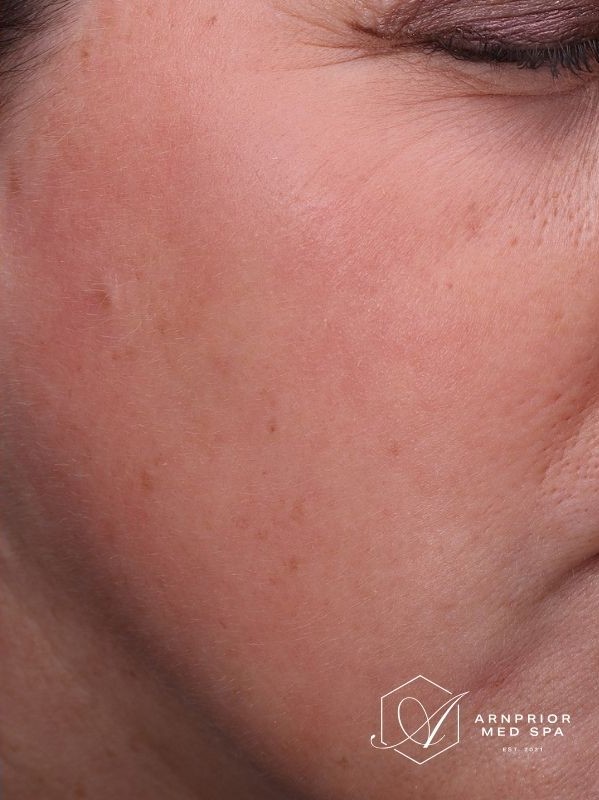
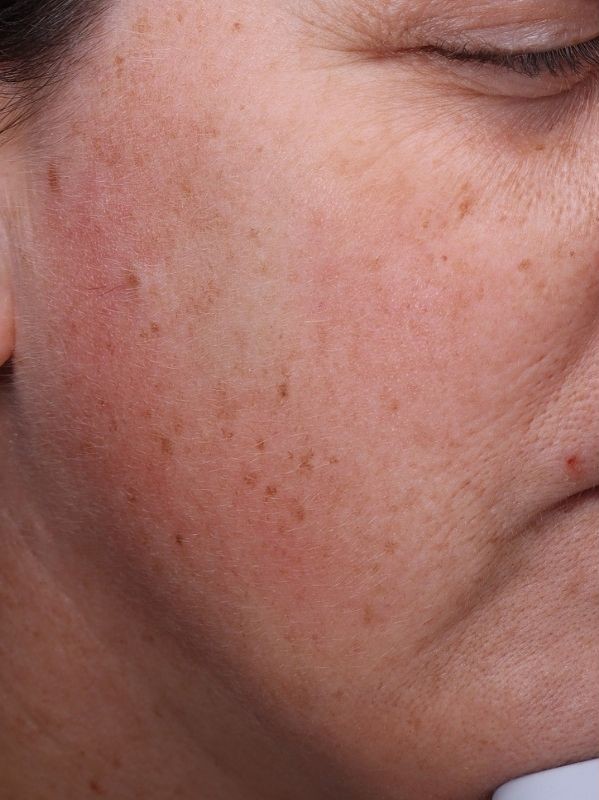
Hyperpigmentation after LaseMD Ultra and CO2 LaserHyperpigmentation before LaseMD Ultra and CO2 LaserBeforeAfter

Hyperpigmentation before and after LaseMD Ultra combined with CO2 resurfacing
Hyperpigmentation after LaseMD Ultra and CO2 LaserHyperpigmentation before LaseMD Ultra and CO2 LaserBeforeAfter

Hyperpigmentation before and after LaseMD Ultra combined with CO2 resurfacing
Hyperpigmentation after LaseMD Ultra in Arnprior OntarioHyperpigmentation before LaseMD Ultra in Arnprior OntarioBeforeAfter

Hyperpigmentation before and after LaseMD Ultra
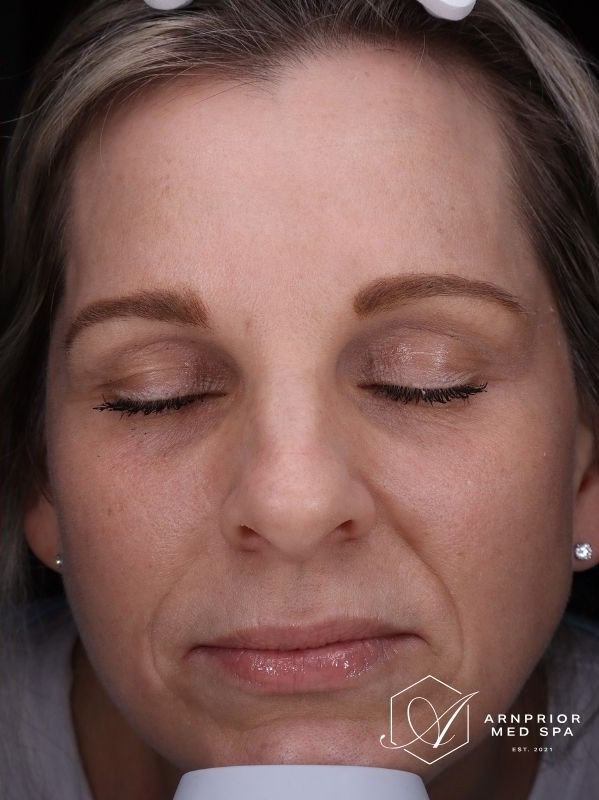
Hyperpigmentation after LaseMD UltraHyperpigmentation before LaseMD UltraBeforeAfter

Hyperpigmentation before and after LaseMD Ultra
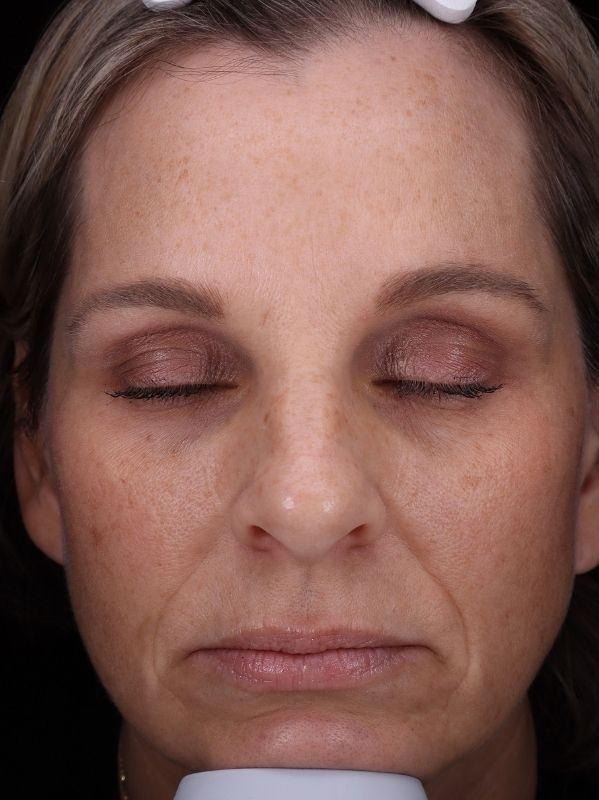
Hyperpigmentation after LaseMD UltraHyperpigmentation before LaseMD UltraBeforeAfter

Uneven pigmentation before and after LaseMD Ultra
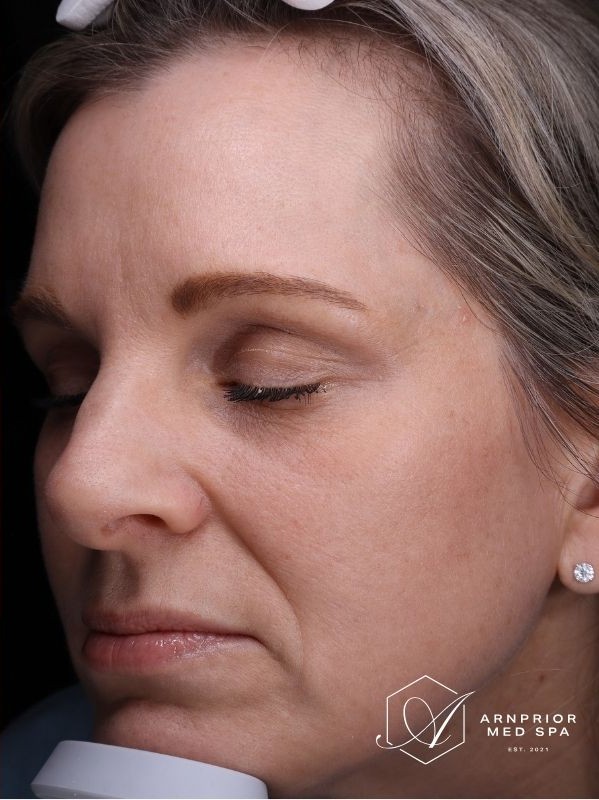
Melasma and hyperpigmentation after LaseMD Ultra laser skin resurfacing at Arnprior Med SpaMelasma and hyperpigmentation before LaseMD Ultra laser skin resurfacing at Arnprior Med SpaBeforeAfter

Melasma and hyperpigmentation before and after LaseMD Ultra
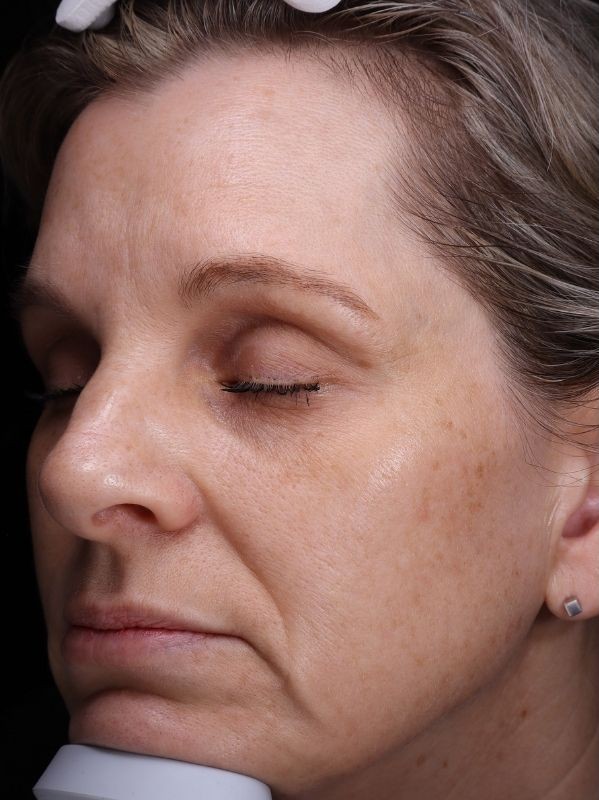
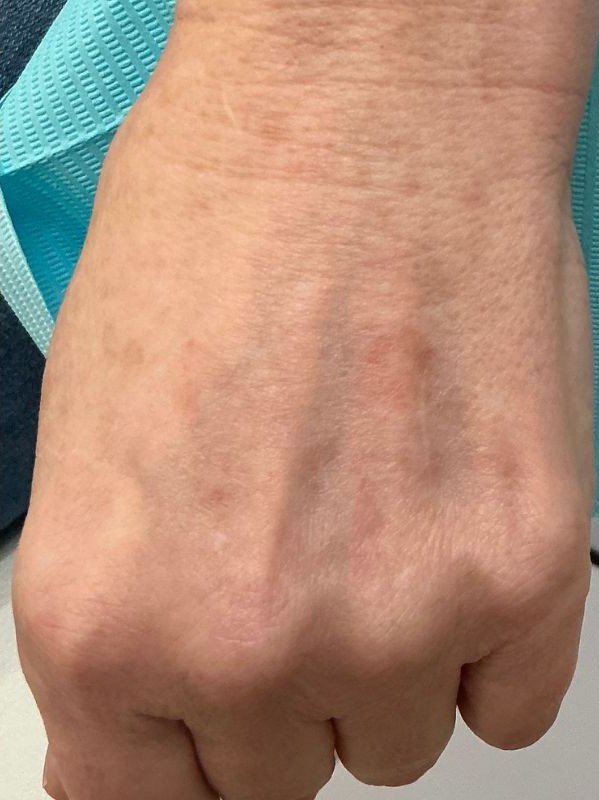
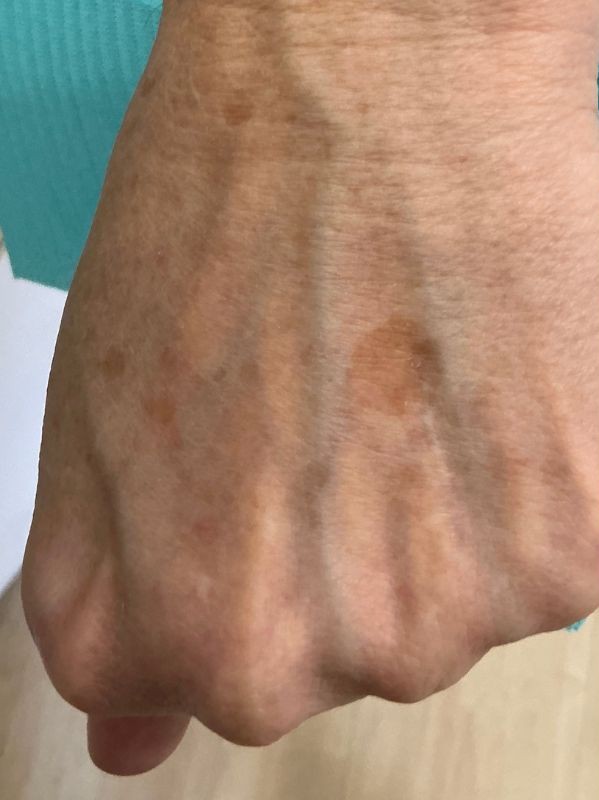
Pigmentation treatment on hands after 1 laser skin resurfacing session with LaseMD Ultra, afterPigmentation treatment on hands after 1 laser skin resurfacing session with LaseMD Ultra, beforeBeforeAfter

Pigmentation on the hands after one LaseMD Ultra session

Pigmentation after 1 laser skin resurfacing treatment with LaseMD UltraPigmentation before 1 laser skin resurfacing treatment with LaseMD UltraBeforeAfter

Pigmentation after the first LaseMD Ultra session

Hyperpigmention after LaseMD laser resurfacing and laser toningHyperpigmention before LaseMD laser resurfacing and laser toningBeforeAfter

Hyperpigmentation after one session of combined laser therapy

hand sun spot after laser resurfacinghand sun spot before laser resurfacingBeforeAfter

Sun spots and brown spots on the hands before and after LaseMD Ultra

Hyperpigmentation after laser resurfacing at Arnprior Med SpaHyperpigmentation before laser resurfacing at Arnprior Med SpaBeforeAfter

Pigmentation before and after LaseMD Ultra
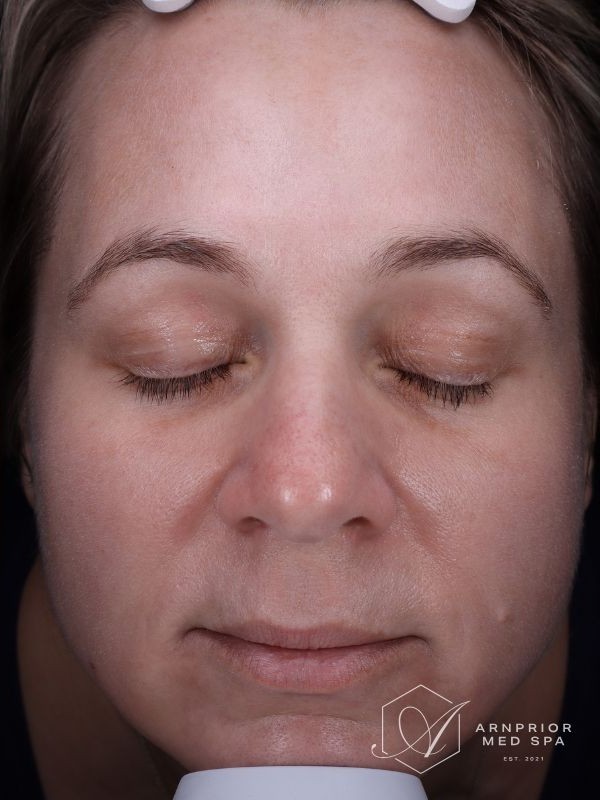
Pigmentation after laser resurfacing at Arnprior Med SpaPigmentation before laser resurfacing at Arnprior Med SpaBeforeAfter

Pigmentation before and after LaseMD Ultra
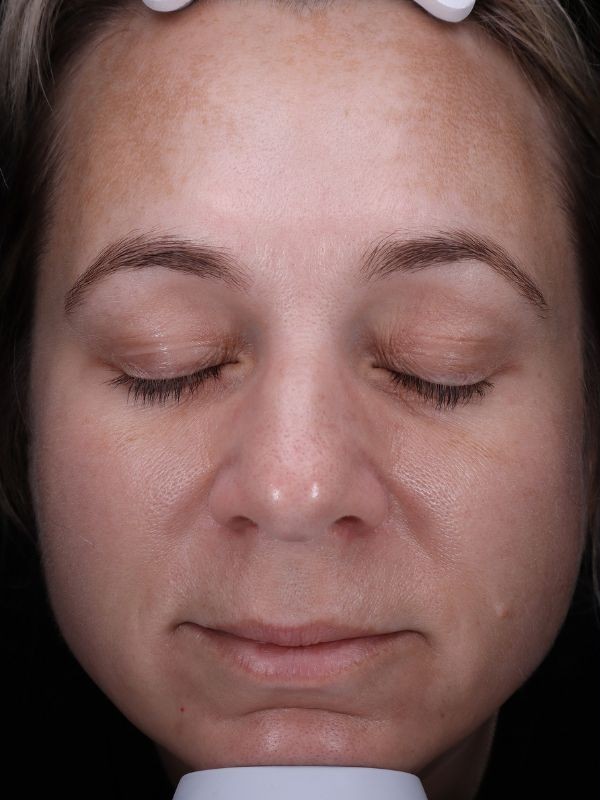
Skin texture after laser skin resurfacing in Arnprior OntarioSkin texture before laser skin resurfacing in Arnprior OntarioBeforeAfter

Skin texture before and after LaseMD Ultra

Melasma after LaseMD Ultra resurfacing laser treatmentMelasma before LaseMD Ultra resurfacing laser treatmentBeforeAfter

Melasma and hyperpigmentation before and after LaseMD Ultra
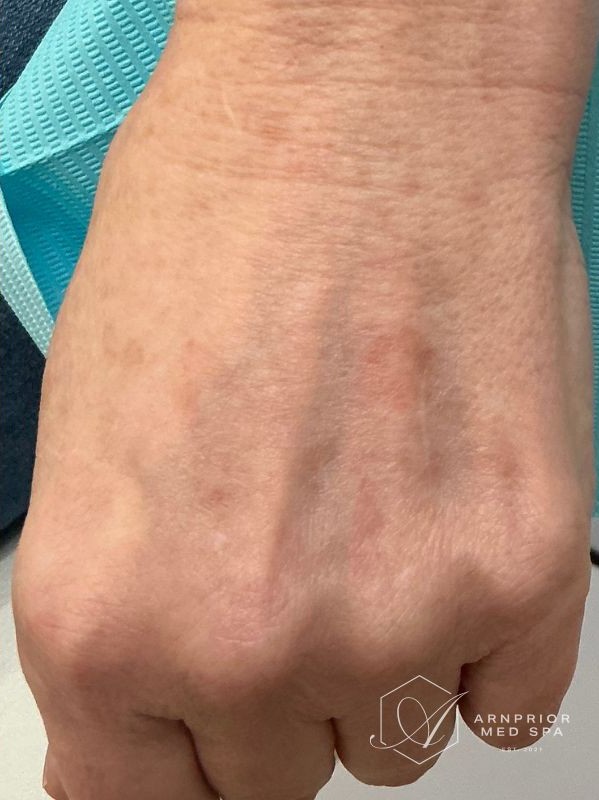
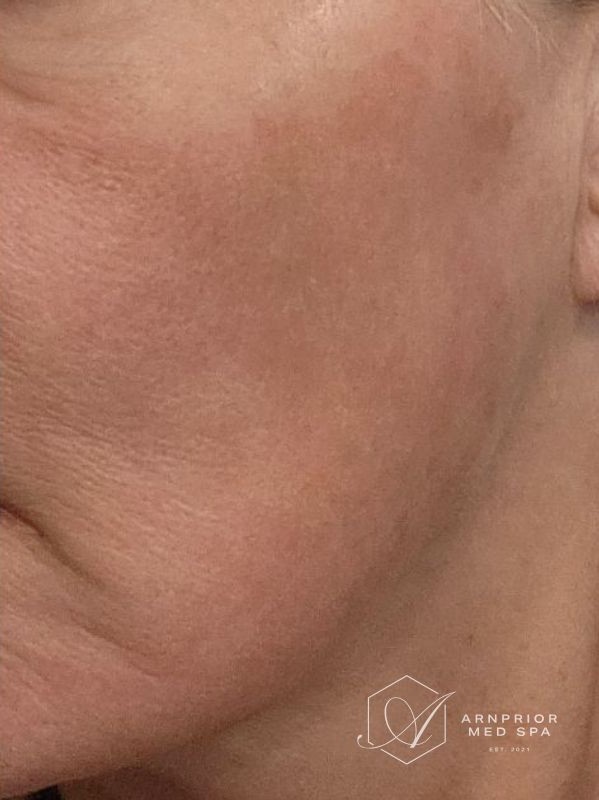
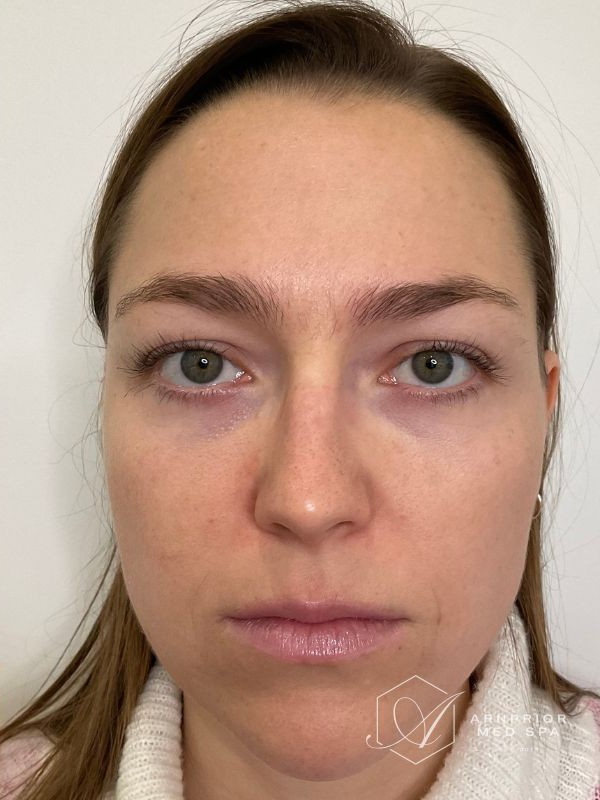
Pigmentation and photodamage after LaseMD Ultra laser skin resurfacing at Arnprior Med SpaPigmentation and photodamage before LaseMD Ultra laser skin resurfacing at Arnprior Med SpaBeforeAfter

Pigmentation and photodamage before and after LaseMD Ultra

Melasma hyperpigmentation after laser skin resurfacingMelasma hyperpigmentation before laser skin resurfacingBeforeAfter

Melasma and hyperpigmentation before and after LaseMD Ultra
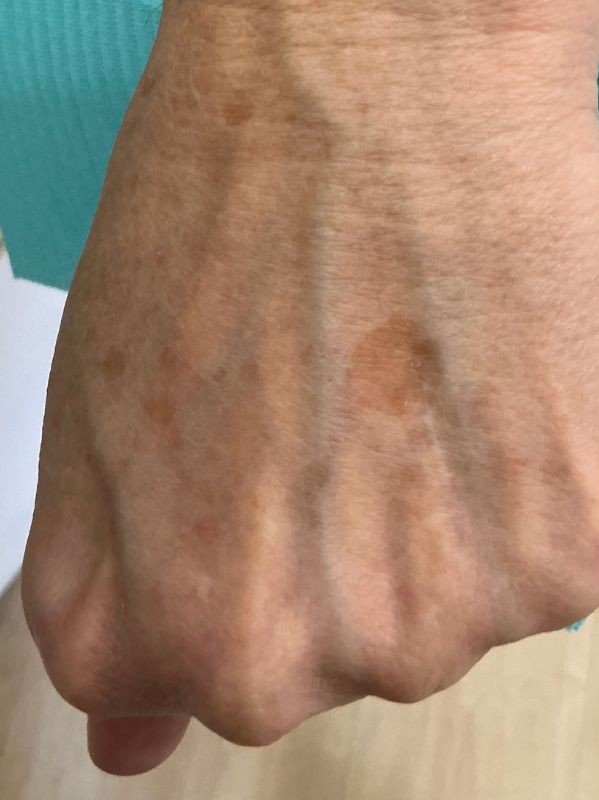
Drag any photo to compare

LaseMD Ultra in Arnprior + Ottawa Valley

Looking for LaseMD Ultra near Ottawa? Arnprior Med Spa offers 1927 nm non-ablative fractional laser resurfacing for concerns such as sun damage, brown spots, uneven pigmentation, uneven tone and early photoaging.

Located in downtown Arnprior, we welcome clients from Kanata, Carp, Stittsville, Almonte, Carleton Place, Renfrew and throughout the Ottawa Valley who are looking for a customized approach to pigmentation correction and fractional laser resurfacing.

Whether your concern is visible sun damage, freckles, uneven skin tone, diffuse pigmentation or early signs of photoaging, treatment begins with an individual skin assessment so we can determine whether LaseMD Ultra, or another resurfacing technology, is the most appropriate approach for your skin.

Other resurfacing options

This page names other lasers because the right one depends on the concern. Here is where each of them sits.

Frequently asked questions

LaseMD Ultra is a 1927 nm non-ablative fractional thulium laser designed for fractional skin resurfacing. It delivers microscopic zones of laser energy across the skin while leaving areas of surrounding tissue untreated.

At Arnprior Med Spa, we primarily use LaseMD Ultra when concerns such as sun damage, brown spots, uneven pigmentation, uneven tone and early photoaging are part of the treatment goal.

The 1927 nm thulium wavelength is strongly absorbed by water within the skin and is used in fractional resurfacing treatments that primarily influence more superficial photodamage and pigmentation.

Clinical studies of fractional 1927 nm thulium lasers have reported improvements in pigmentation, photodamage and overall skin appearance, which is why this wavelength has become particularly relevant for clients concerned with uneven tone and sun-related changes.

At Arnprior Med Spa, LaseMD Ultra is primarily considered for:

Sun damage · Brown spots · Freckles · Uneven pigmentation · Uneven tone · Early photoaging · Superficial texture · Overall skin quality

The appropriate treatment still depends on the type and cause of the pigmentation. Not every brown spot or pigment condition should be treated in the same way.

No. LaseMD Ultra is a non-ablative fractional laser.

Instead of intentionally removing the entire surface of the skin, it delivers fractional energy that creates microscopic treatment zones. Cynosure Lutronic describes Ultra as producing dehydrated microchannels through fractional energy while preserving untreated tissue between treatment zones.

This creates a very different treatment and recovery profile from ablative resurfacing technologies such as CO₂ or Er:YAG.

A typical treatment can take approximately 10 to 20 minutes, depending on the treatment area and the treatment plan.

Consultation, skin preparation, photographs and topical numbing, when used, can add to the total appointment time.

Comfort varies according to treatment intensity and individual sensitivity.

Topical anaesthetic is applied for 30-45 minutes prior to procedure.

Recovery varies with treatment intensity.

Following treatment, the skin may appear red, warm, dry or rough, with the more visible healing phase generally occurring over several days.

Regular activities can usually be resumed immediately, while complete resolution of the dry healing sensation may take approximately 5 to 7 days.

A stronger corrective treatment may look and feel different from a lighter maintenance treatment, so we prefer to discuss expected recovery based on the treatment actually being planned.

There is no single treatment number that applies to everyone.

Cynosure Lutronic notes that some patients may see improvement after one session while others may benefit from a series.

At Arnprior Med Spa, treatment frequency depends on factors such as the amount of photodamage, pigmentation pattern, previous treatments, treatment intensity and your overall skin plan.

Some changes in brightness and tone may become noticeable as the initial healing phase resolves, while improvement can continue as the skin responds over time.

Published studies of fractional 1927 nm treatment have evaluated improvements over weeks to months rather than treating results as an immediate endpoint.

For this reason, we assess results based on the treatment goal and appropriate follow-up interval rather than judging the outcome immediately after treatment.

Ultra increases superficial collagen through fractional soft-tissue coagulation.

However, we do not position LaseMD Ultra primarily as a deep skin-tightening treatment.

Its main role in our clinic is fractional correction of pigmentation, photodamage, tone and superficial skin quality. When deeper textural remodelling or laxity is the priority, another technology may be more appropriate.

Potentially, but melasma requires a different strategy from ordinary sun spots.

Fractional 1927 nm thulium lasers have been studied for melasma, including split-face and randomized clinical research, with improvement reported in selected patients.

However, melasma is a chronic pigment disorder influenced by multiple factors, and laser treatment alone should not be presented as a cure.

At Arnprior Med Spa, we assess pigment pattern, triggers, previous treatment history, skin preparation and risk of rebound pigmentation before deciding whether LaseMD Ultra belongs in a melasma treatment plan.

LaseMD Ultra and Sciton MOXI are particularly interesting to compare because both use a 1927 nm non-ablative fractional wavelength.

Both are used within the broader category of fractional resurfacing for concerns such as sun damage, pigmentation, uneven tone and early signs of aging.

They are not the same device, however.

LaseMD Ultra incorporates technologies including IntelliTrak™ roller tracking, Controlled Chaos Technology™ and real-time energy measurement, while MOXI uses Sciton’s own roller tracking and velocity-management system.

Neither should automatically be considered “better” based on the brand name alone. They are different 1927 nm platforms, and treatment outcome also depends on treatment parameters, patient selection and the concern being treated.

No.

Fraxel is a family of fractional laser systems. The Fraxel DUAL platform incorporates both 1550 nm and 1927 nm wavelengths. Solta identifies its 1927 nm wavelength for resurfacing and pigmented lesions such as age spots, sun spots and freckles.

LaseMD Ultra uses a dedicated 1927 nm thulium fractional wavelength, placing it in a similar wavelength category to Fraxel 1927, but it is a different platform with different delivery technology.

When comparing the treatments, the important questions are not simply “Fraxel or LaseMD?” but which wavelength is being used, what concern is being treated and how intensive the treatment needs to be.

Neither is universally better because they serve different roles within fractional resurfacing.

LaseMD Ultra uses 1927 nm and is primarily considered at Arnprior Med Spa when pigmentation, sun damage, uneven tone and early photoaging are the dominant concerns.

Mosaic 3D uses 1550 nm and occupies a different position in our resurfacing strategy when texture, enlarged pores, fine lines or selected acne scars require greater fractional dermal remodelling.

In simple terms:

LaseMD Ultra → tone + pigment

Mosaic 3D → texture + remodelling

For clients who have both types of concerns, treatment may involve different technologies at different stages rather than forcing one device to address everything.

HALO and LaseMD Ultra are not equivalent resurfacing treatments.

Classic Sciton HALO is a hybrid fractional laser that combines 1470 nm non-ablative energy with 2940 nm ablative Er:YAG energy in the same treatment system.

LaseMD Ultra uses a single 1927 nm non-ablative fractional wavelength.

That means HALO incorporates both an ablative and non-ablative component, while LaseMD Ultra remains non-ablative.

Treatment selection therefore depends on the concerns being addressed and the degree of resurfacing and recovery desired, not simply which device has the more recognizable name.

CO₂ laser resurfacing is generally the more intensive resurfacing category, but stronger does not automatically mean more appropriate.

LaseMD Ultra is a non-ablative fractional treatment primarily used in our clinic for pigmentation, photodamage, uneven tone and early skin-quality changes.

CO₂ is an ablative resurfacing technology and may be selected when concerns such as deeper wrinkles, advanced photodamage or selected deeper textural irregularities require a more intensive resurfacing response.

The two treatments therefore occupy different places within our resurfacing portfolio.

The goal is not to choose the strongest laser. It is to choose the wavelength and treatment depth that make sense for the concern being treated.

These treatments use completely different forms of energy.

LaseMD Ultra delivers fractional 1927 nm laser energy and is particularly useful when pigmentation, photodamage and uneven tone are prominent concerns.

Genius RF Microneedling uses microneedles to deliver radiofrequency energy within the skin and occupies a different role when deeper dermal remodelling, selected scars or textural concerns are the treatment priority.

The appropriate option depends on what we are trying to change within the skin, and in some treatment plans the technologies may complement one another rather than compete.

By wavelength and general treatment category, Sciton MOXI and the 1927 nm component of Fraxel DUAL are among the closest widely recognized comparisons, because all use 1927 nm fractional technology.

However, they are separate platforms with their own methods of energy delivery, treatment settings and clinical protocols.

This is why we prefer to compare wavelength, treatment depth and treatment goal rather than assuming different device names represent interchangeable treatments.

That is exactly what the consultation is intended to determine.

If the dominant concern is pigmentation, sun damage or uneven tone, LaseMD Ultra may be considered.

If texture, pores or selected scars require more substantial non-ablative fractional remodelling, Mosaic 3D may be more appropriate.

If the concern requires a more intensive ablative resurfacing approach, CO₂ or Er:YAG may be considered.

At Arnprior Med Spa, we do not expect clients to diagnose their own skin or select a laser based on a treatment menu. We assess the skin first and build the treatment plan around the concern being addressed.

Clear + Brilliant
A well-established non-ablative fractional resurfacing platform often used for early skin maintenance, overall skin quality and mild signs of aging. Depending on the system and handpiece being used, treatment may be performed at either 1440 nm or 1927 nm.

LaseMD Ultra
A dedicated 1927 nm fractional thulium platform that we use when concerns such as sun damage, uneven pigmentation, freckles, brown spots and overall photodamage are a priority, with treatment intensity customized to the skin.

If you are specifically comparing Clear + Brilliant’s 1927 nm handpiece with LaseMD Ultra, the wavelength is similar, but the devices are not interchangeable. Power, beam characteristics, coverage systems, treatment parameters and how the provider uses the technology all affect the treatment being delivered.

At Arnprior Med Spa, the decision is not based on which brand name is more recognizable. We look at what is causing the visible concern, how much correction is needed and how much downtime is appropriate, then select the technology that best fits that goal.

You don’t need to choose between Clear + Brilliant, Ultra or another fractional laser yourself. Start with the skin concern, and we’ll determine the treatment.

Ready to Start Your LaseMD Ultra Treatment Plan?