1550 NM FRACTIONAL RESURFACING · ARNPRIOR + OTTAWA VALLEY

Mosaic 3D Laser Resurfacing Near Ottawa

Deeper Resurfacing. Refined Texture. Less Downtime Than Ablative Laser.

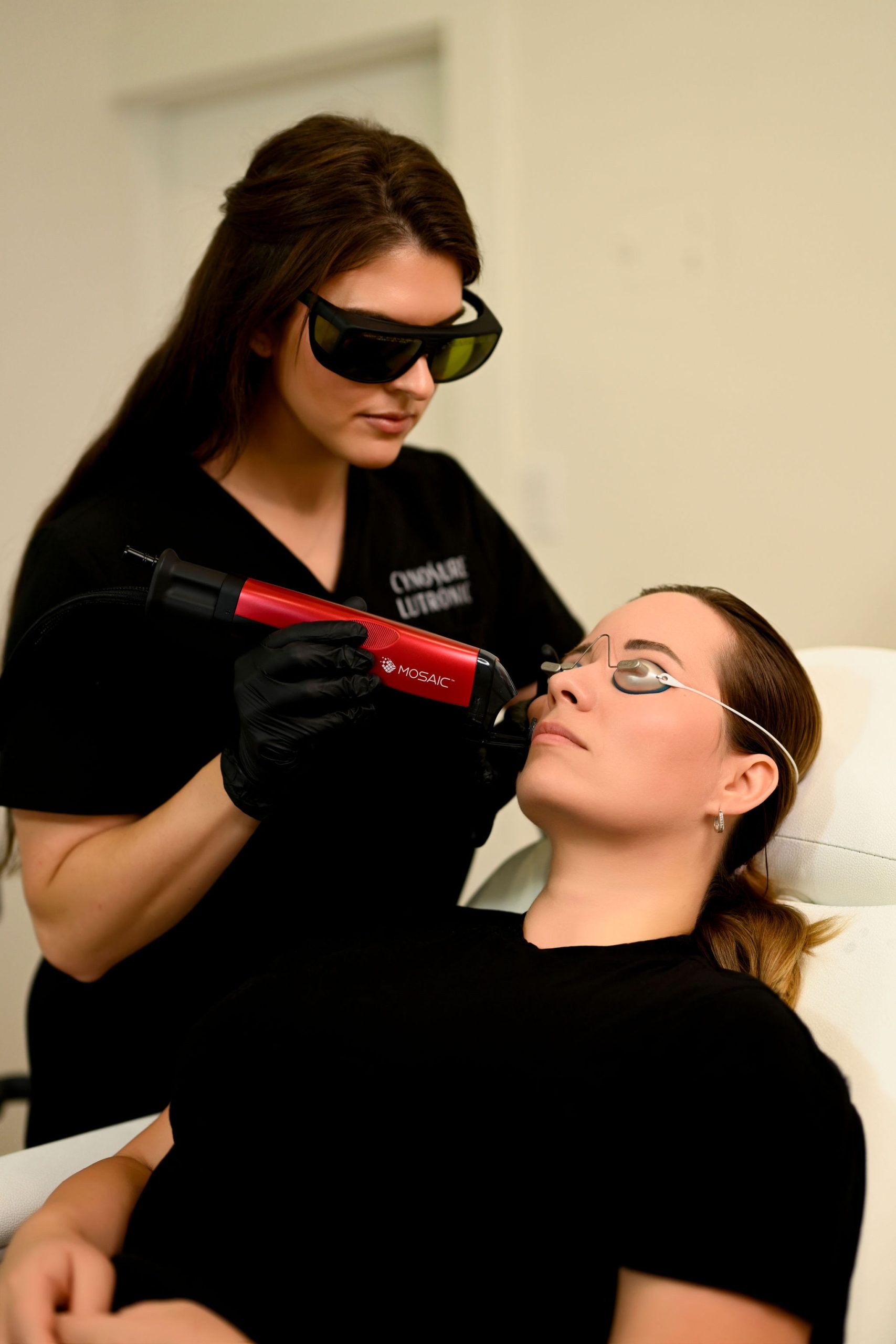
Mosaic 3D is a 1550 nm non-ablative fractional resurfacing laser designed to create controlled microscopic treatment zones within the skin while preserving surrounding tissue. Its role at Arnprior Med Spa is primarily textural correction and dermal remodelling, making it an important option between more superficial fractional treatments and more intensive ablative resurfacing.

The short answer

Mosaic 3D is a fractional laser that works below the surface of your skin to smooth rough texture, soften fine lines, refine enlarged pores and improve some acne scarring. It treats the skin in microscopic columns and leaves the tissue around each one intact, which is why recovery here is counted in days rather than weeks.
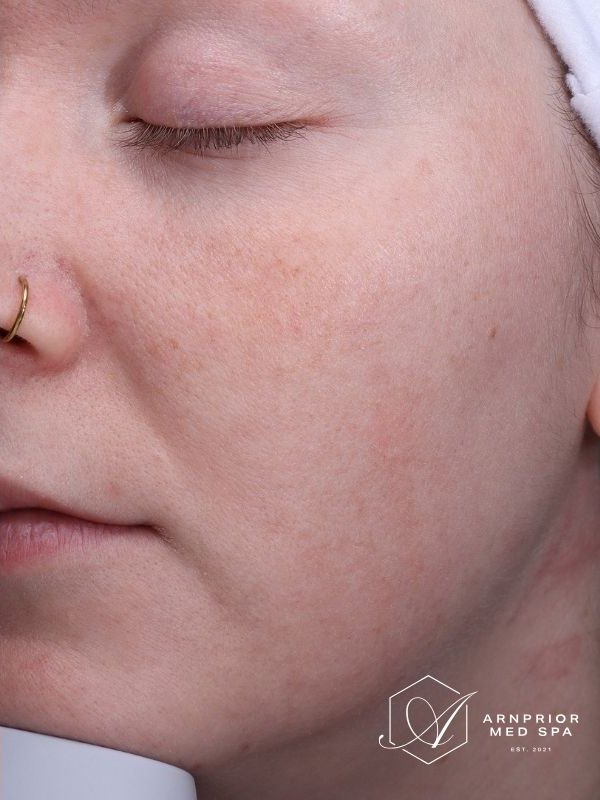
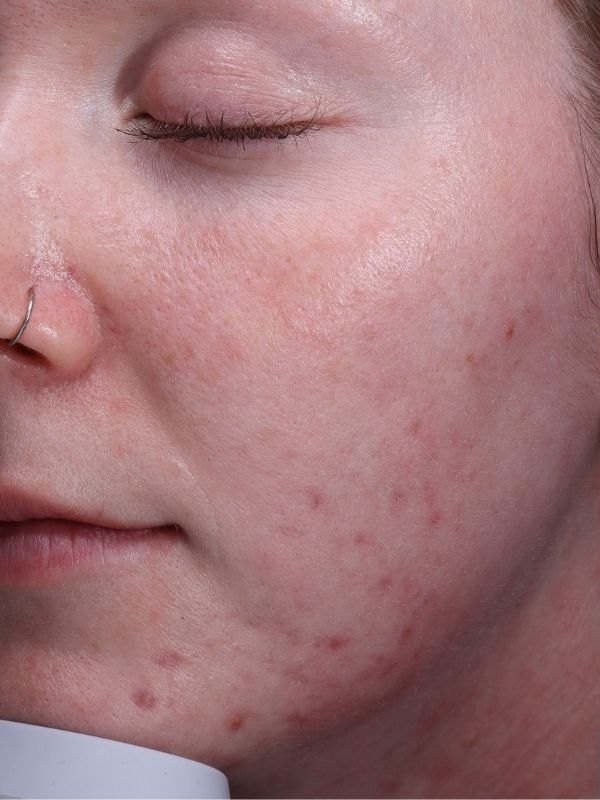
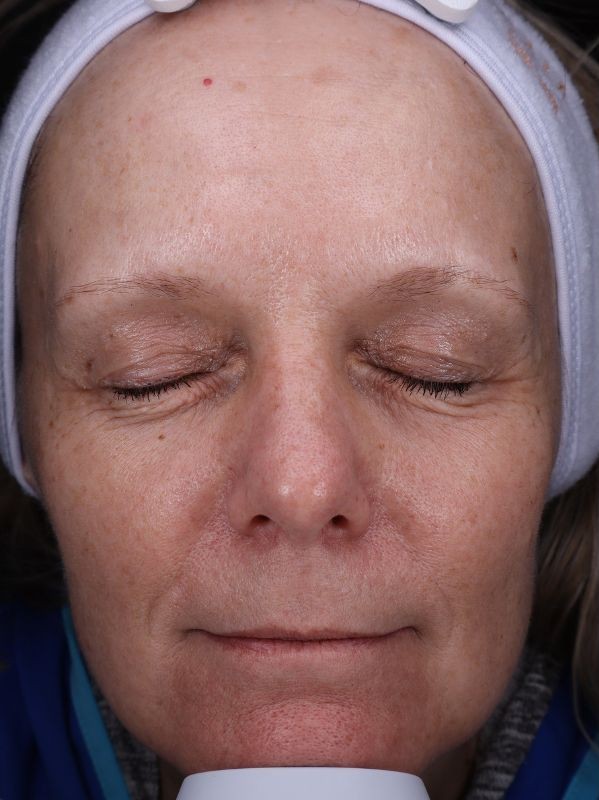
Acne scarring and texture after Mosaic 3D laser resurfacing at Arnprior Med SpaAcne scarring and texture before Mosaic 3D laser resurfacing at Arnprior Med SpaBeforeAfter
Our own result. Acne scarring and texture, treated on the Lutronic Mosaic 3D at Arnprior Med Spa. Drag the handle to compare.
Best for
Rough texture, enlarged pores, fine lines and some acne scarring
Your appointment
About 30 to 45 minutes, with numbing cream first
Downtime
About 2 to 5 days, redness first then dryness
Sessions
Usually 2 to 4, planned at your consultation

From our own feed

The treatment on a neck, and the result

Half a minute, filmed in our own clinic. The neck is where texture shows first and hides worst, so this is Mosaic 3D on exactly that, followed by a real before and after. Sound on.

  • Your neck gets as much sun as your face and is usually the part left out
  • Mosaic 3D makes controlled micro-injuries that trigger the skin’s own renewal
  • It targets texture, fine lines, sun damage and overall skin quality
Read the full transcript

Everyone treats the face, but stops at the jawline. Your neck gets just as much sun exposure as your face, but it’s often overlooked when it comes to skin treatments.

Over time, sun exposure and natural aging can contribute to fine lines, wrinkles, uneven texture, pigmentation and loose-looking skin.

This is Mosaic 3D, a resurfacing treatment that works by creating controlled micro-injuries in the skin, stimulating the skin’s natural renewal process. It can help improve the appearance of texture, fine lines, sun damage and overall skin quality, for smoother, more refined-looking skin.

What Mosaic 3D Does for Your Skin

Your skin feels smoother and more refined

Rather than focusing only on brightness at the surface, the treatment creates a fractional response within the skin to support progressive textural remodelling.

It works deeper than a surface pigment treatment

When pigmentation and superficial photodamage dominate, we may select a treatment such as LaseMD Ultra. When texture, pores, fine lines or scar remodelling require a different fractional approach, Mosaic 3D may be considered.

It can treat the fine detail around your eyes and mouth

Mosaic 3D combines efficient rolling treatment with cold-compression sapphire-tip stamping, allowing more targeted treatment of detailed areas such as around the eyes and mouth.

It fits a plan built around your skin, not one device

Texture, pigmentation, laxity, scars and fine lines may involve different layers and biological processes. Mosaic 3D may therefore be used alone or incorporated into a broader plan alongside treatments such as LaseMD Ultra, CO₂ resurfacing, Genius RF Microneedling or skin tightening, depending on what your skin actually needs.

How Mosaic 3D Works Within the Skin

From Visible Texture to Progressive Remodelling

Mosaic 3D uses fractional 1550 nm laser energy to create microscopic treatment zones within the skin. Rather than treating the entire surface, energy is delivered fractionally to initiate a controlled healing and remodelling response.

Select a stage to explore how the treatment works

01

Surface

Visible Texture + Fine Lines

Mosaic 3D may be considered when visible roughness, enlarged pores, fine lines and textural irregularity are part of the concern. These visible changes help guide where fractional resurfacing fits within an individualized treatment plan.

Treatment depth, density and intensity are individualized following assessment. The appropriate resurfacing technology depends on the skin concern, treatment goals and expected recovery.

6-Month Skin Tightening + Resurfacing Program ✦ $500/Month ✦ 3 Skin Tightening Treatments ✦ 3 Laser Resurfacing Treatments ✦ Customized To Your Skin ✦

Advanced Fractional Resurfacing with Mosaic 3D

Skin texture, enlarged pores, fine lines and acne scarring are not simply surface concerns. They often involve structural changes deeper within the skin, which is why improving them can require a different approach than treatments designed primarily for superficial pigmentation or brightness.

Mosaic 3D is a 1550 nm non-ablative fractional laser designed for deeper textural remodelling. It creates thousands of microscopic treatment zones within the skin while leaving surrounding tissue intact, allowing the skin to begin a controlled repair and remodelling response without removing the entire surface.

At Arnprior Med Spa, Mosaic 3D is primarily considered when the goal is to improve uneven texture, enlarged pores, fine lines, perioral or periorbital texture, and selected acne scars.

What makes Mosaic particularly useful within our laser portfolio is where it fits between other resurfacing technologies. LaseMD Ultra is often selected when pigmentation, sun damage and uneven tone are the primary concern, while CO₂ and Er:YAG may be considered when more intensive ablative resurfacing is appropriate. Mosaic 3D occupies the space in between, providing deeper fractional remodelling while remaining non-ablative.

Rather than choosing a laser because it is the newest, strongest or most aggressive option, we look at what is actually happening within your skin and which wavelength and treatment depth best match the concern.
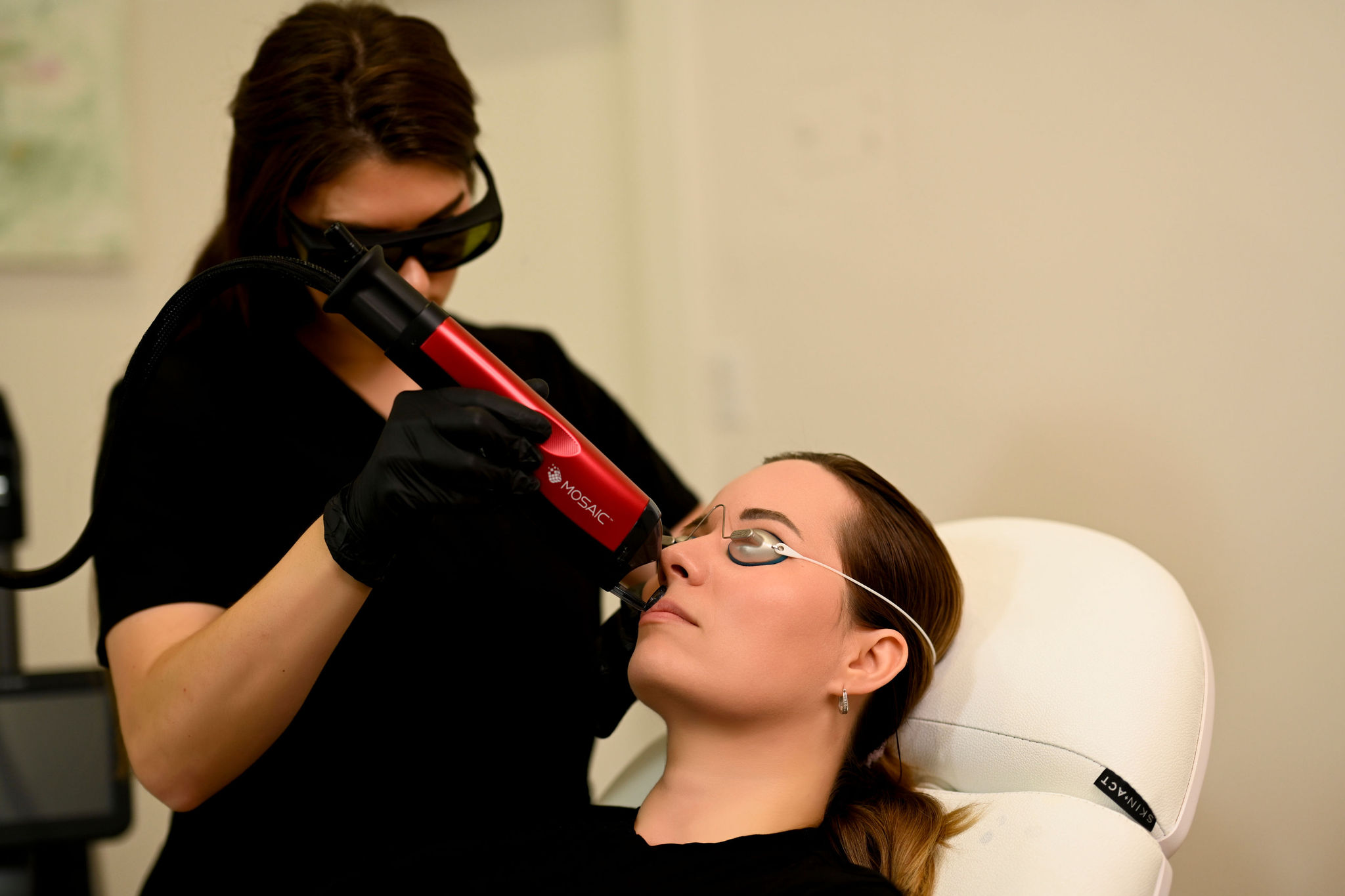
Mosaic 3D 1550 nm Resurfacing

Non-ablative fractional laser. Customized by depth.

Mosaic 3D uses a 1550 nm wavelength combined with fractional delivery to create microscopic zones of controlled thermal treatment within the skin.

Its 3D Controlled Chaos Technology™ (3D CCT) distributes microbeams at multiple levels rather than placing every treatment zone at an identical depth. The system also combines air-cooled rolling with cold-compression sapphire-tip stamping, allowing treatment to be customized across larger facial areas and more detailed areas such as around the eyes and mouth.

To make that process more structured, we created our 6 month Skin Tightening Program.

Best For

  • Acne scars • Enlarged pores • Fine lines
  • Perioral lines • Periorbital texture
  • Uneven skin texture • Photoaging

Downtime: Typically approximately 2 to 5 days.

Mild redness and swelling may occur during the first couple of days, followed by several days of dryness. Treatment intensity and individual skin response influence recovery.
start with a skin consultation first
mosaic 3d

How Does Mosaic 3D Compare?

Choosing the right laser resurfacing treatment

There is no single “best” laser resurfacing treatment for every skin concern.

The right technology depends on what we are trying to change, where that change is located within the skin, your skin characteristics and how much recovery is appropriate for your goals.

Mosaic 3D occupies an important position within our resurfacing options because it delivers 1550 nm non-ablative fractional energy when deeper textural remodelling is desired without performing ablative resurfacing.

For clients whose primary concerns include uneven texture, enlarged pores, fine lines or selected acne scars, Mosaic 3D may provide a useful middle ground between more superficial fractional treatments and more intensive ablative laser resurfacing.

More Laser Resurfacing Results From Our Clinic
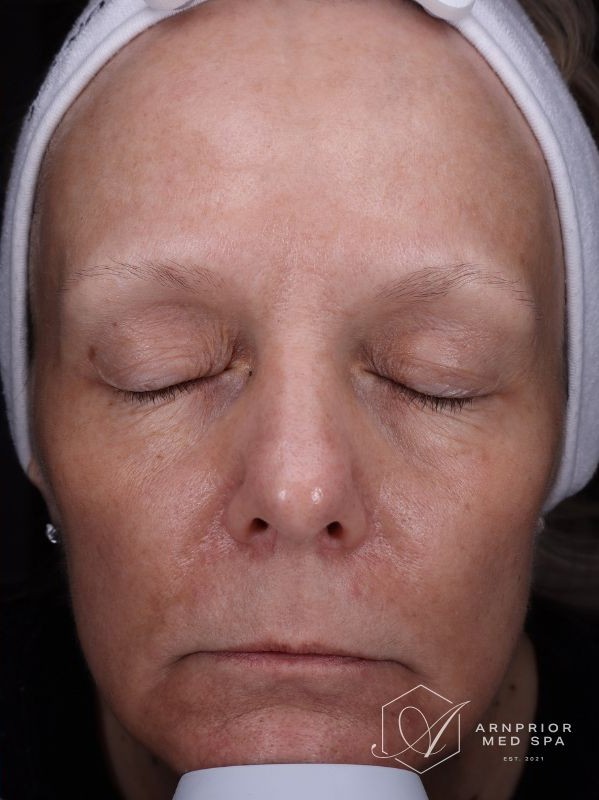
Sun damage, hyperpigmentation, and fine lines after laser skin resurfacingSun damage, hyperpigmentation, and fine lines before laser skin resurfacingBeforeAfter

Sun damage, pigment and fine lines, treated on our LaseMD Ultra. Our Mosaic 3D result is at the top of this page.
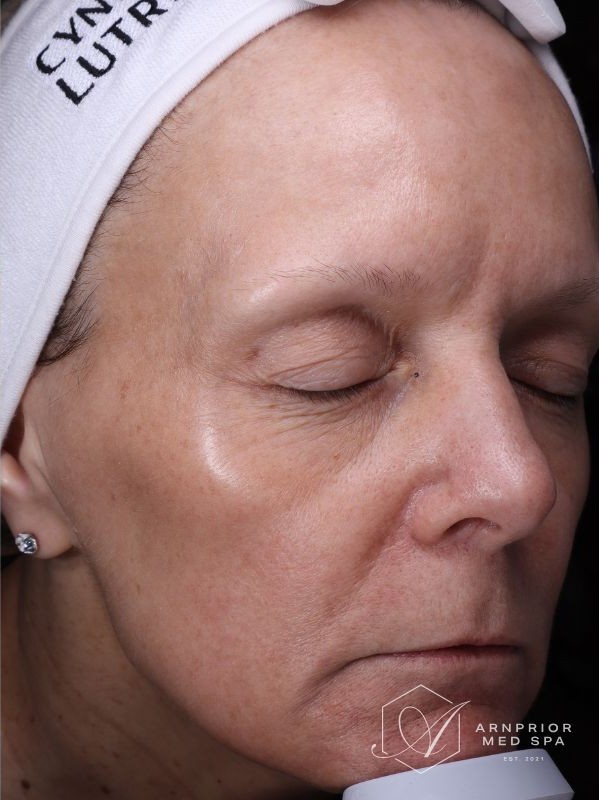
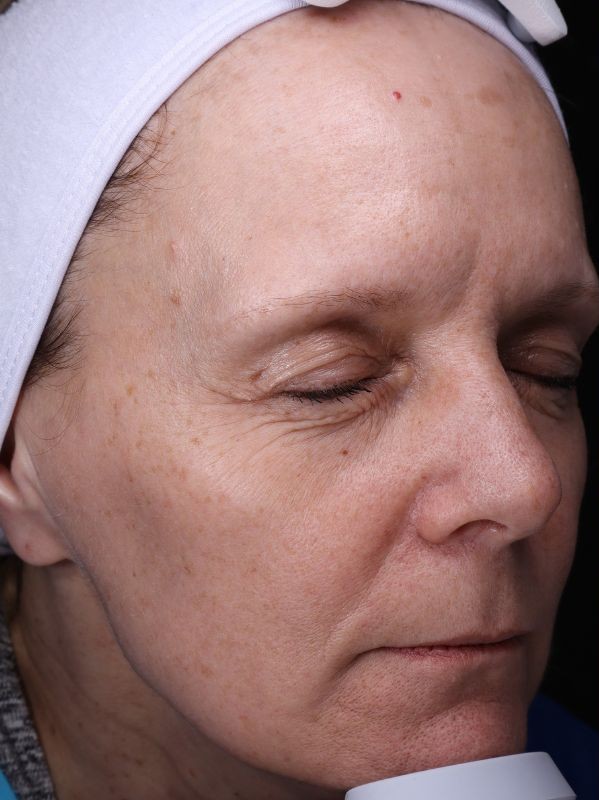
Sun damage, hyperpigmentation, and fine lines after laser skin resurfacingSun damage, hyperpigmentation, and fine lines before laser skin resurfacingBeforeAfter

Fine lines around the eyes, treated on our LaseMD Ultra. Mosaic 3D is the 1550 nm option for the same area.
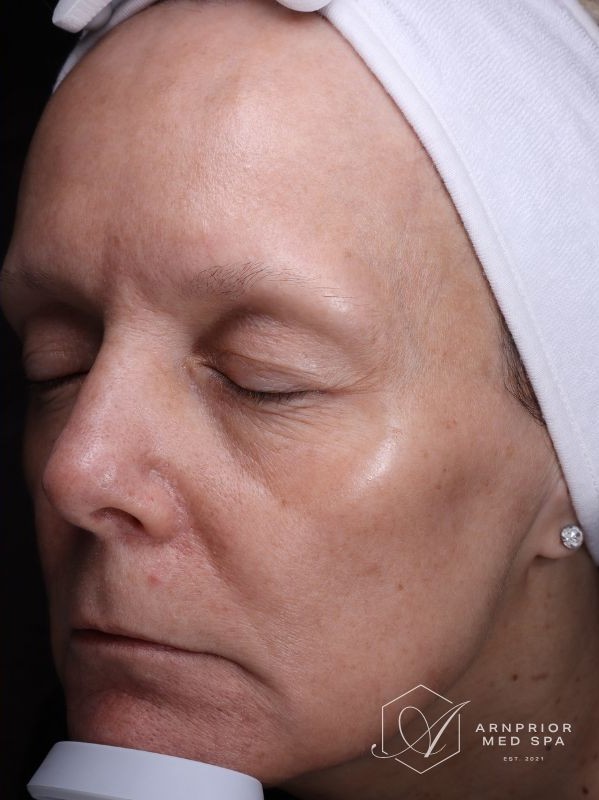
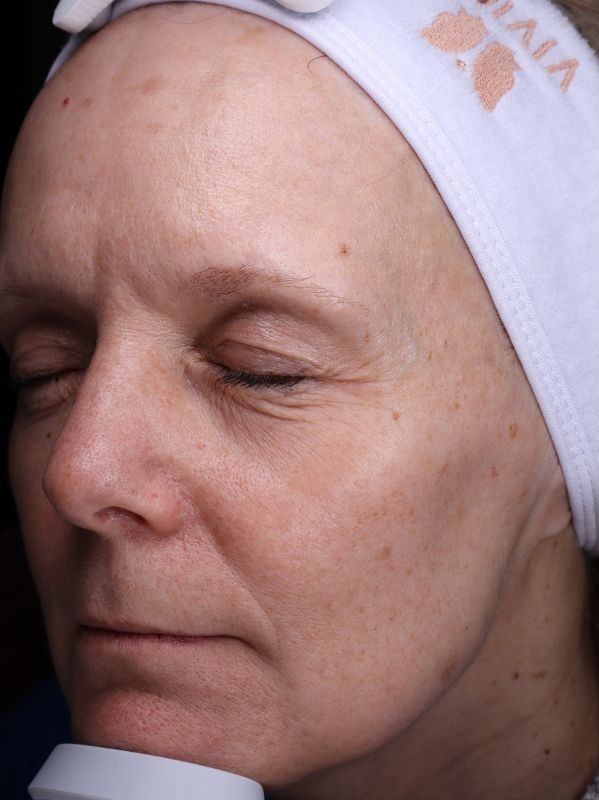
Fine lines after laser skin resurfacingFine lines before laser skin resurfacingBeforeAfter

Fine lines around the eyes, treated on our LaseMD Ultra. Mosaic 3D is the 1550 nm option for the same area.

Drag any photo to compare

Mosaic 3D Laser Resurfacing in Arnprior + Ottawa Valley

Looking for Mosaic 3D laser resurfacing near Ottawa?
Arnprior Med Spa offers 1550 nm non-ablative fractional resurfacing from our clinic in downtown Arnprior for clients seeking improvement in skin texture, enlarged pores, fine lines and selected acne scars.

We welcome clients from Kanata, Carp, Stittsville, Almonte, Carleton Place, Renfrew and throughout the Ottawa Valley who are looking for a more individualized approach to laser skin resurfacing.

Rather than selecting a laser based on its name alone, your treatment begins with an assessment of your skin quality, pigmentation, texture, scarring, previous procedures and recovery goals so we can determine whether Mosaic 3D, or another resurfacing technology, is the most appropriate approach.

Other resurfacing options

This page names other lasers because the right one depends on the concern. Here is where each of them sits.

Frequently Asked Questions

Mosaic 3D is a 1550 nm non-ablative fractional laser designed for fractional skin resurfacing. It creates microscopic zones of controlled thermal treatment while leaving surrounding tissue intact.

Health Canada’s indications for Mosaic 3D include fractional skin resurfacing, wrinkles, skin rejuvenation, acne and various scars.

At Arnprior Med Spa, Mosaic 3D is primarily considered when concerns include:

  • Uneven skin texture
  • Enlarged pores
  • Fine lines
  • Perioral lines
  • Periorbital texture
  • Selected acne scars
  • Photoaging-related textural change

Treatment recommendations remain individualized.

No.

Mosaic 3D is a non-ablative fractional laser. Unlike an ablative resurfacing treatment, it does not intentionally remove the entire surface of the skin.

Mosaic 3D uses a 1550 nm wavelength for non-ablative fractional resurfacing.

3D Controlled Chaos Technology™, or 3D CCT, is Mosaic 3D’s fractional delivery system.

Cynosure Lutronic describes it as optimizing both the distribution and depth of multi-level microbeams while reducing the risk of unwanted bulk thermal heating.

Both are non-ablative fractional lasers, but they use different wavelengths and occupy different roles within our treatment strategy.

LaseMD Ultra uses 1927 nm and is particularly useful when pigmentation, sun damage and uneven tone are prominent.

Mosaic 3D uses 1550 nm and is primarily considered when texture, pores, fine lines and deeper fractional remodelling are the priority.

Your consultation determines which approach better matches your skin.

Neither is universally better.

Mosaic 3D provides non-ablative fractional resurfacing, while CO₂ is an ablative resurfacing technology and is generally associated with a more intensive tissue response and recovery.

At Arnprior Med Spa, treatment selection is based on the concern being treated and the degree of correction required rather than automatically choosing the most aggressive laser.

Both can be used when dermal remodelling is a goal, but they create that response differently.

Mosaic 3D uses 1550 nm laser energy, while Genius RF Microneedling delivers radiofrequency energy through microneedles.

Scar type, texture, skin characteristics and other concerns help determine which technology, or combination of technologies, is appropriate.

Cynosure Lutronic describes 2 to 4 treatments as a typical series, depending on skin condition and treatment goals.

At Arnprior Med Spa, the number and intensity of treatments are individualized rather than prescribed as the same series for every client.

Typical recovery is approximately 2 to 5 days. Mild redness and swelling may occur for up to approximately 48 hours, followed by several days of dryness.

Recovery varies according to treatment intensity and individual response.

Cynosure Lutronic recommends topical numbing for most Mosaic 3D treatments. A typical facial session is approximately 30 to 45 minutes.

Yes. Arnprior Med Spa is located in Arnprior, Ontario and treats clients travelling from Kanata, Ottawa, Renfrew and communities throughout the Ottawa Valley.

A consultation allows us to determine whether Mosaic 3D is appropriate and discuss treatment preparation and expected recovery before scheduling your resurfacing treatment.

Not all fractional lasers treat the skin in the same way.

Terms such as Fraxel, MOXI, HALO, LaseMD Ultra and Mosaic 3D are often grouped together under “laser resurfacing,” but the devices use different wavelengths, depths and methods of fractional energy delivery.

At Arnprior Med Spa, we do not choose a laser simply because one device is newer, stronger or more widely known. We consider what is being treated within the skin, how much remodelling is required and what level of recovery is appropriate.

Fraxel is a brand of fractional laser systems rather than a single wavelength. The current Fraxel DUAL platform uses both 1550 nm and 1927 nm wavelengths. The 1550 nm wavelength is used for fractional resurfacing and concerns that include wrinkles and acne scars, while the 1927 nm wavelength is used more superficially for pigmented lesions and skin resurfacing.

Mosaic 3D is a 1550 nm non-ablative fractional laser, which means it sits in a similar treatment category to the 1550 nm component of Fraxel. However, Mosaic 3D is a different platform with its own energy-delivery system.

Mosaic incorporates 3D Controlled Chaos Technology™, which distributes fractional microbeams at multiple levels, along with air-cooled rolling, cold-compression sapphire-tip stamping and integrated cooling.

Both are non-ablative fractional lasers available at Arnprior Med Spa, but they use different wavelengths and occupy different roles in our resurfacing strategy.

LaseMD Ultra uses 1927 nm fractional thulium energy. We primarily consider this wavelength when pigmentation, visible sun damage, uneven tone and more superficial photoaging are prominent concerns. Cynosure Lutronic identifies Ultra as a 1927 nm fractional non-ablative laser.

Mosaic 3D uses 1550 nm fractional energy and is particularly useful when the treatment priority shifts toward skin texture, fine lines, enlarged pores and selected scars.

For some clients, these technologies may even complement one another because they address different components of skin aging.

LaseMD Ultra = tone + pigment

Mosaic 3D = texture + remodelling

Both technologies may be considered when dermal remodelling or acne-scar improvement is a goal, but they create that response very differently.

Mosaic 3D delivers fractional 1550 nm laser energy without needles.

Genius RF Microneedling inserts microneedles into the skin and delivers radiofrequency energy within the tissue. The Genius platform also incorporates real-time impedance monitoring and adjusts energy delivery during treatment.

Neither technology is universally better for every acne scar.

Scar morphology, scar depth, skin characteristics, pigmentation risk and previous treatments all influence which technology, or combination of technologies, may be considered.

Yes in wavelength category, but not in platform design.

Both Mosaic 3D and the 1550 nm Fraxel technology use 1550 nm non-ablative fractional laser energy. Fraxel’s 1550 nm technology has a long history of clinical use in fractional photothermolysis, including published literature evaluating photodamage and atrophic acne scars.

Mosaic 3D uses the same general wavelength category but incorporates a different delivery architecture, including 3D CCT multi-level microbeam distribution, integrated cooling, rolling and cold-compression stamping.

1550 nm non-ablative fractional laser resurfacing has been studied for concerns including acne scarring, fine lines, photoaging and uneven skin texture.

Rather than removing the entire surface of the skin, fractional laser energy creates microscopic treatment zones while leaving surrounding tissue intact. This controlled response supports progressive healing and dermal remodelling while maintaining a different recovery profile than ablative resurfacing.

Acne Scarring

Some of the strongest clinical evidence for 1550 nm fractional resurfacing involves atrophic acne scars.

Published studies have demonstrated improvement in acne scarring following treatment with 1550 nm non-ablative fractional lasers, including research involving higher Fitzpatrick skin types.

Comparative research has also evaluated 1550 nm fractional laser treatment against RF microneedling. Both technologies have demonstrated improvement in atrophic acne scars, reinforcing that different energy-based treatments can play distinct roles depending on scar type, skin characteristics and treatment goals.

Fine Lines + Photoaging

1550 nm fractional lasers have also been studied for facial and periorbital wrinkles, photoaging and textural change.

Clinical research has reported visible improvement in fine lines following fractional treatment, with histologic studies also demonstrating changes within treated skin consistent with a remodelling response.

This is one reason 1550 nm resurfacing can be particularly useful when the concern extends beyond superficial pigmentation and includes changes in skin texture and dermal quality.

Perioral Lines + Pores

More recent research continues to evaluate 1550 nm Er:Glass fractional resurfacing for facial rejuvenation.

A 2025 prospective randomized study involving 36 patients evaluated 1550 nm Er:Glass laser treatment for perioral rejuvenation and reported improvement in supralabial lines, with notable improvement in pore count within the 1550 nm treatment group.

What Does This Mean for Mosaic 3D?

Mosaic 3D uses a 1550 nm wavelength, placing it within an established category of non-ablative fractional resurfacing technologies with published clinical evidence supporting concerns such as:

Acne scarring · Fine lines · Enlarged pores · Uneven texture · Photoaging

However, there is an important distinction.

Research performed with another 1550 nm fractional laser supports the wavelength and treatment category, and it does not automatically mean that every 1550 nm device will produce identical results.

Mosaic 3D incorporates its own delivery technology, including 3D Controlled Chaos Technology™ and multi-level fractional microbeam distribution. These device-specific features should be considered separately from the broader clinical evidence supporting 1550 nm fractional resurfacing.

At Arnprior Med Spa, published research is only one part of treatment selection.

We also consider skin characteristics, scar morphology, pigmentation risk, previous treatments, degree of correction desired and acceptable recovery time when determining whether Mosaic 3D, or another resurfacing technology, is the most appropriate choice.

The goal is not to select the strongest laser. It is to select the wavelength, treatment depth and tissue response that best match the change we are trying to create.

Ready to Start Your Resurfacing Plan?