

532 ktp + 1064 nm nd:yag | arnprior, ontario
Derma V Laser for Redness + Rosacea Near Ottawa
Advanced vascular laser treatment for persistent redness, visible vessels, flushing and broken capillaries.
Derma V is a dual-wavelength vascular and pigment laser that combines 532 nm KTP and 1064 nm Nd:YAG energy with integrated cryogen cooling and real-time treatment feedback. It allows us to select the wavelength and treatment approach according to the type, depth and colour of the vascular concern being treated.
532 nm KTP + 1064 nm Nd:YAG
How Derma V Targets Redness + Visible Vessels
Derma V combines two vascular laser wavelengths within one platform, allowing treatment to be selected according to the characteristics of the redness or vessel we are trying to address.
Explore the Two Wavelengths
Superficial Vascular Targets
532 nm KTP
The 532 nm wavelength is particularly useful when treating selected superficial red vascular targets, including visible facial vessels, telangiectasia and rosacea-associated vascular redness.
How Treatment Works
From Visible Vessel to Progressive Clearance
Identify the Target
Visible Redness + Vascular Structures
We first assess the pattern of redness and whether distinct vascular structures are visible. Vessel size, depth, colour, location and surrounding skin all influence whether vascular laser treatment is appropriate.
Common Treatment Concerns
What Can Derma V Be Used For?
Facial Redness
Persistent vascular redness and visible facial flushing patterns may be assessed for laser treatment.
Rosacea-Associated Redness
Derma V may be used to address the visible vascular component of rosacea, including persistent redness and visible vessels.
Broken Capillaries
Small visible vessels around the nose, cheeks and other facial areas are common vascular laser targets.
Telangiectasia
Dilated superficial vessels can be assessed according to their size, depth, location and individual skin characteristics.
Redness can have many causes, and laser treatment does not eliminate the underlying tendency toward rosacea or prevent new vascular changes from developing. Treatment recommendations are individualized following assessment.
Derma V Redness + Vascular Laser
Real Patient Results
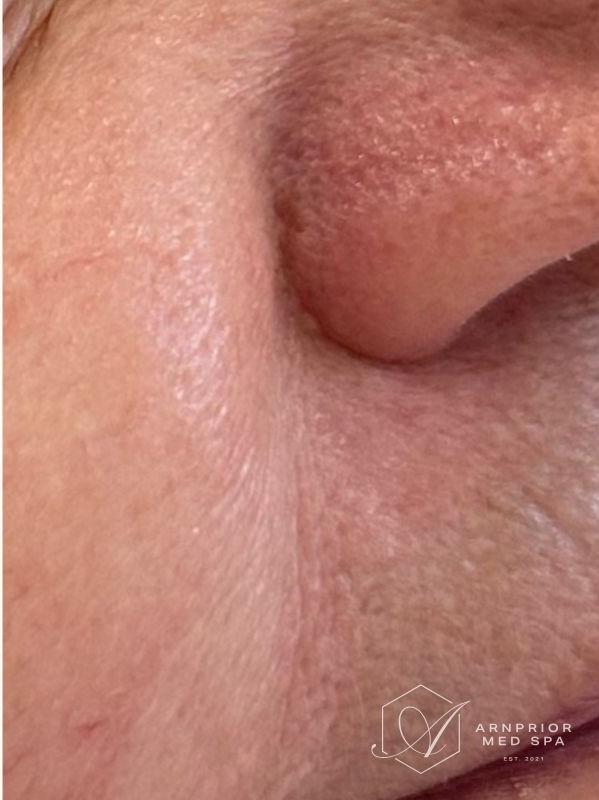
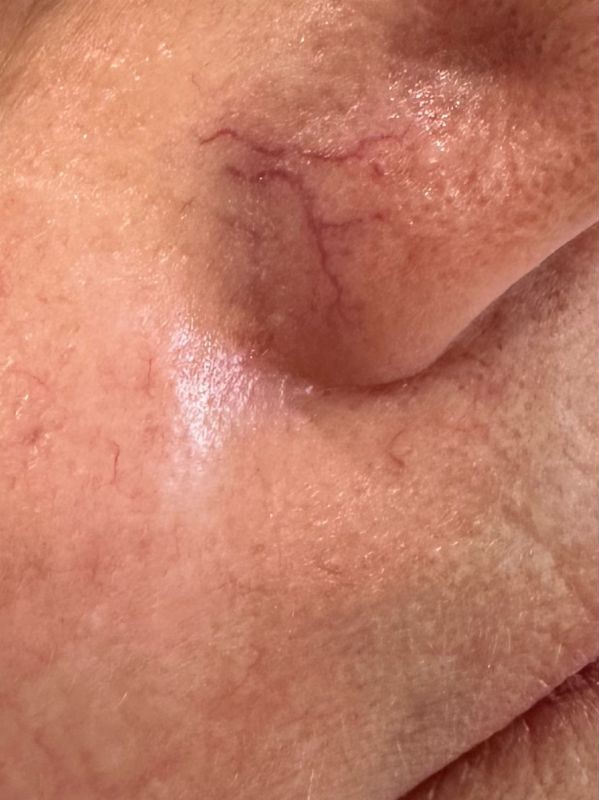 BeforeAfter
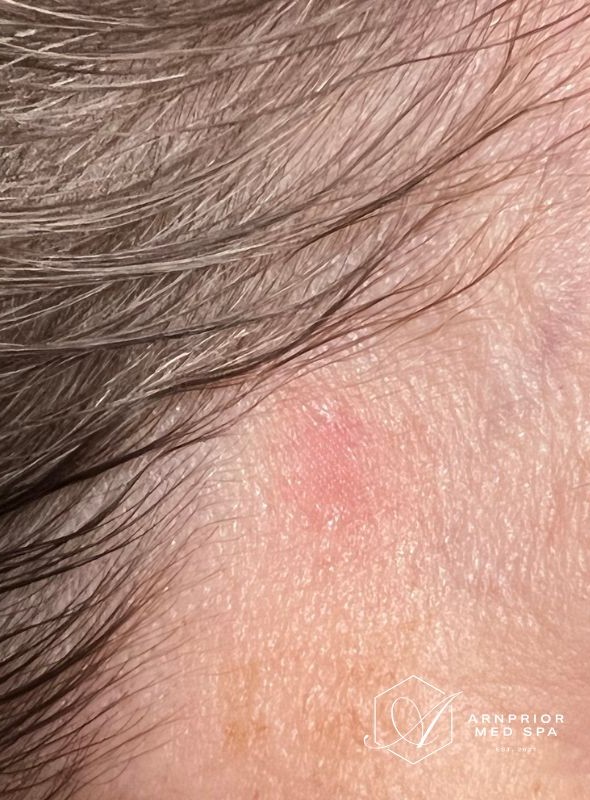
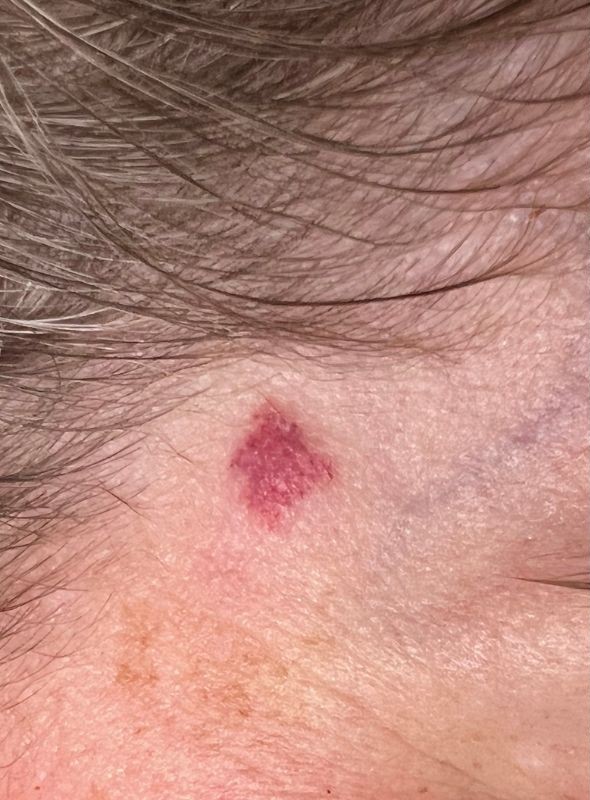 BeforeAfter
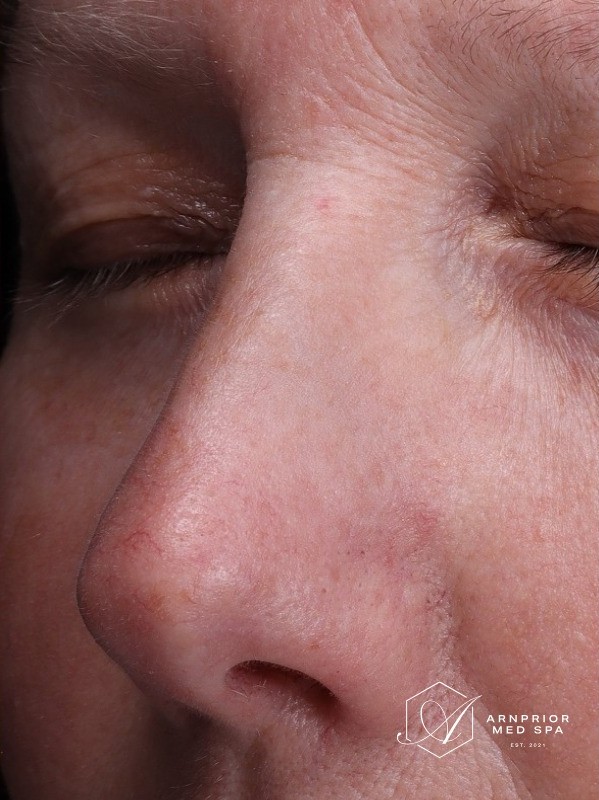
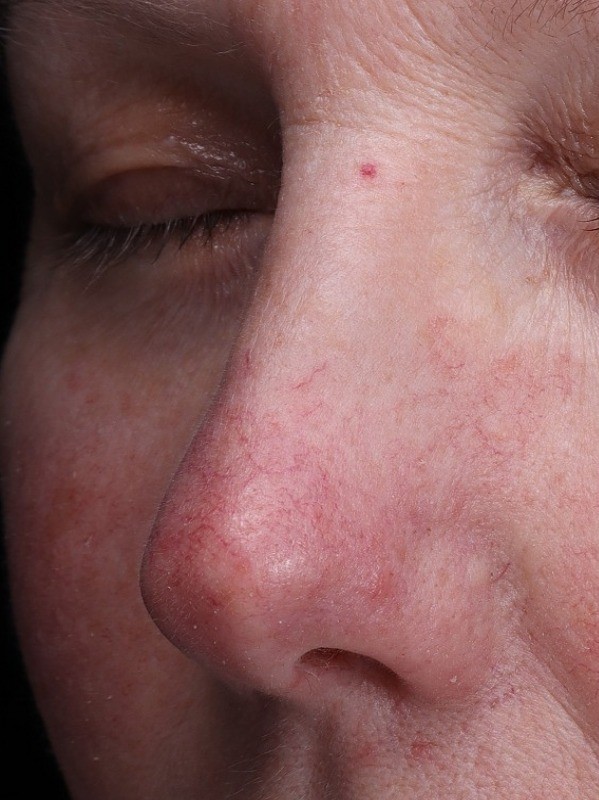 BeforeAfter
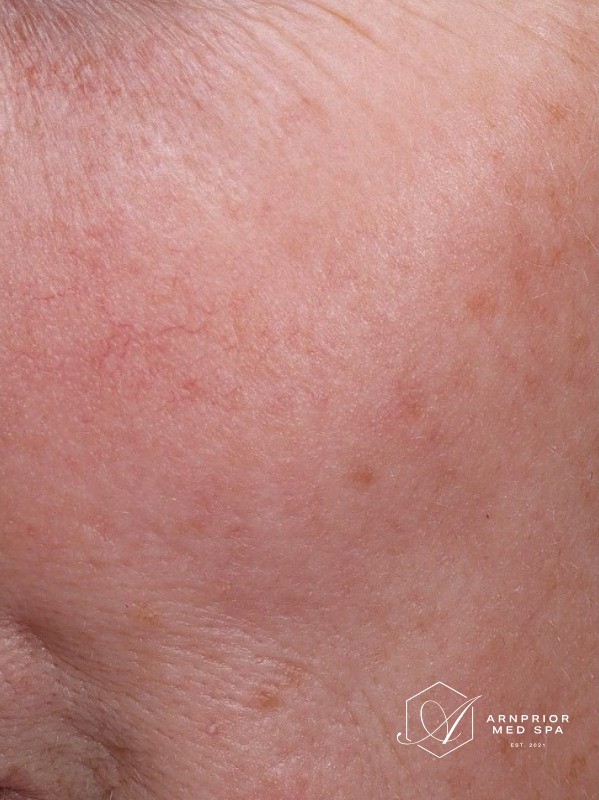
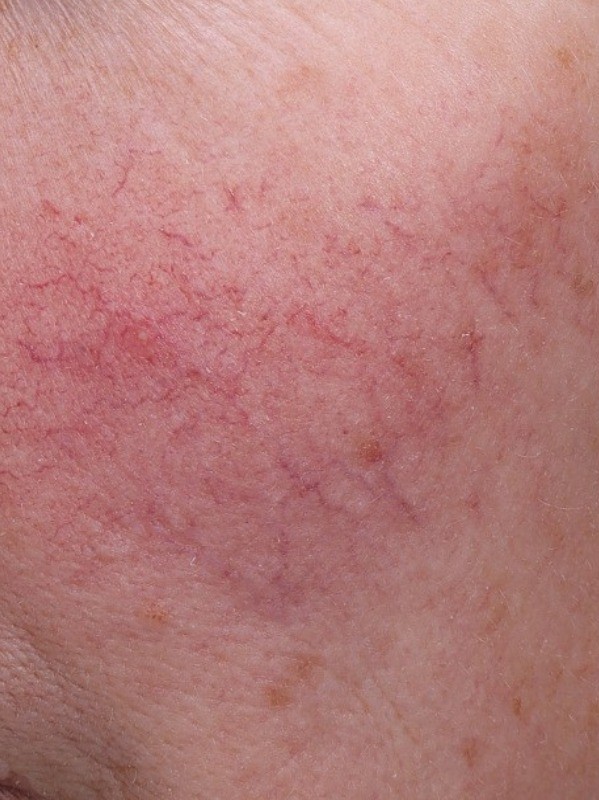 BeforeAfter
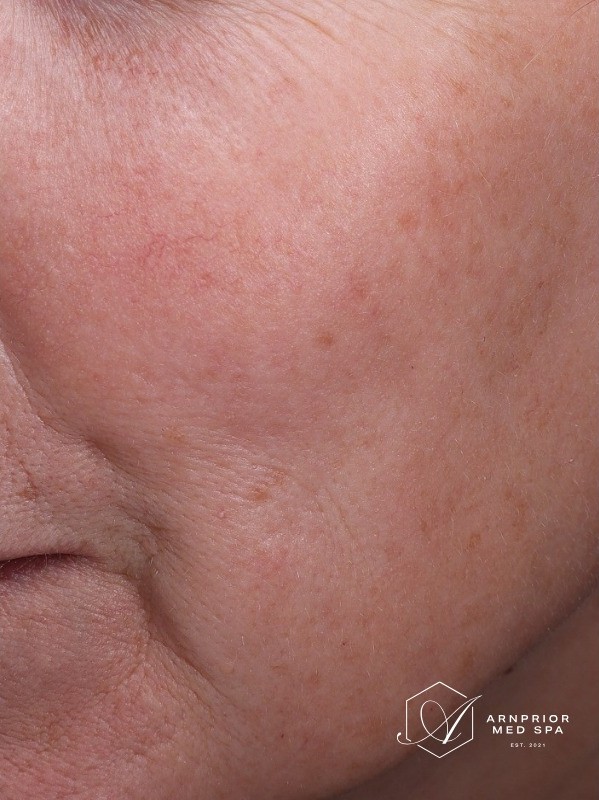
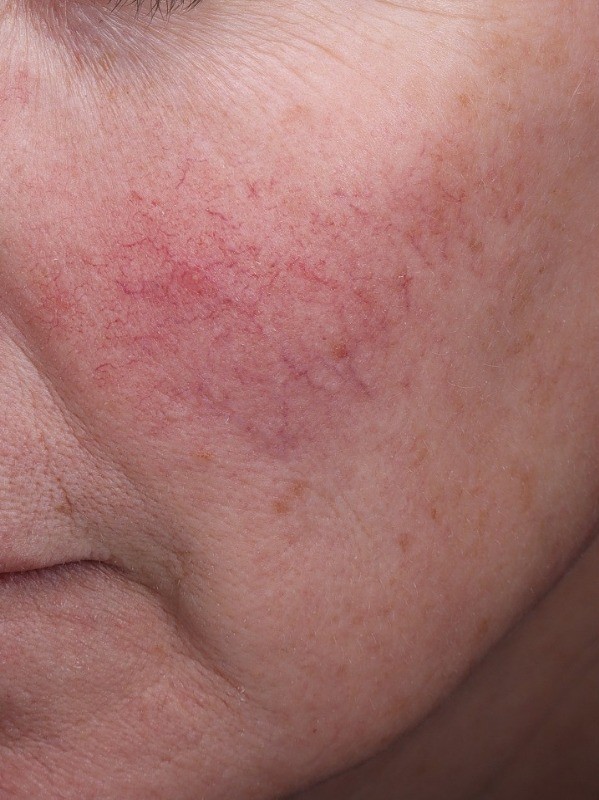 BeforeAfter
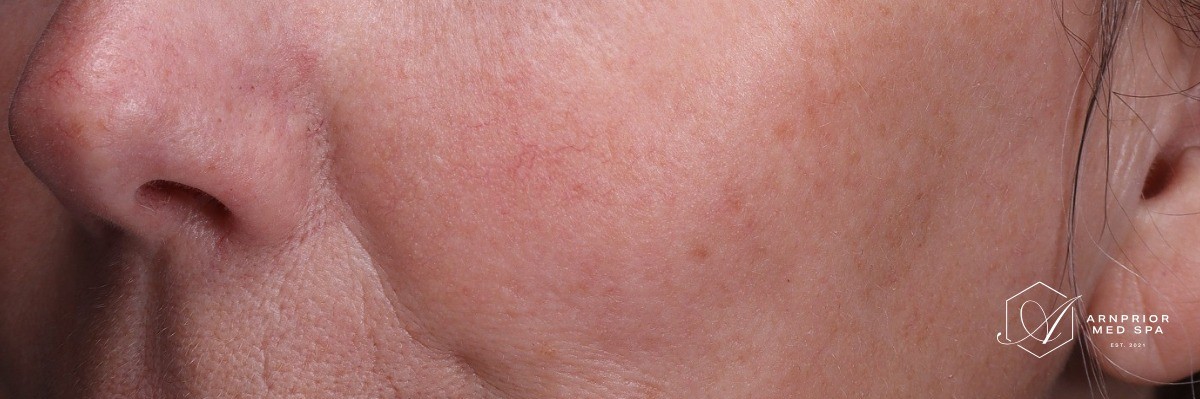
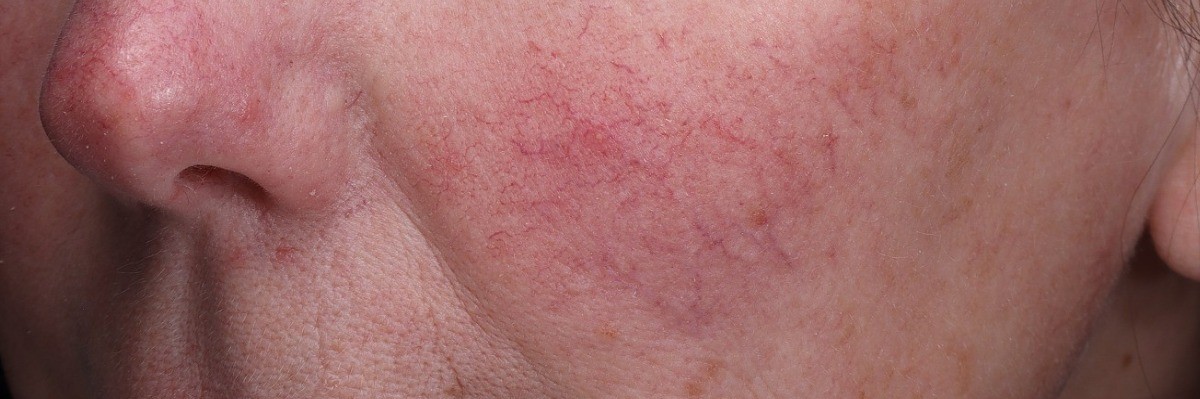 BeforeAfter
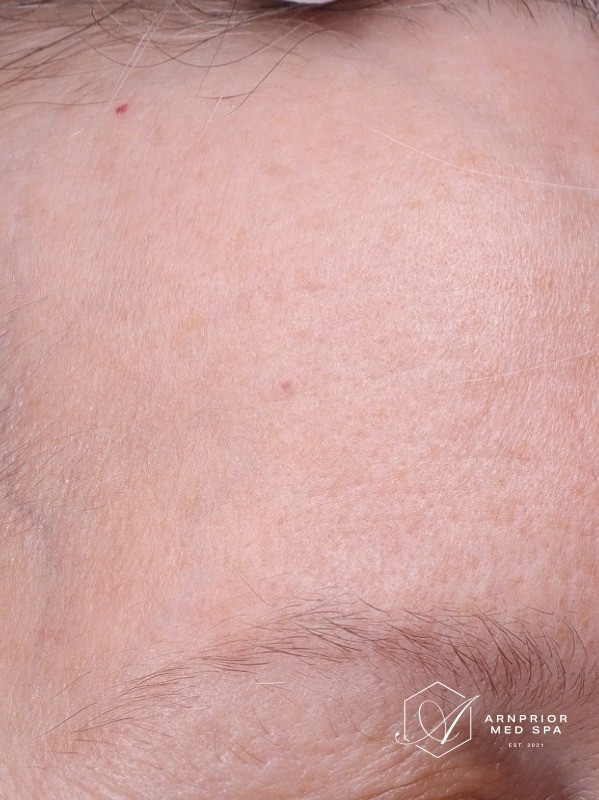
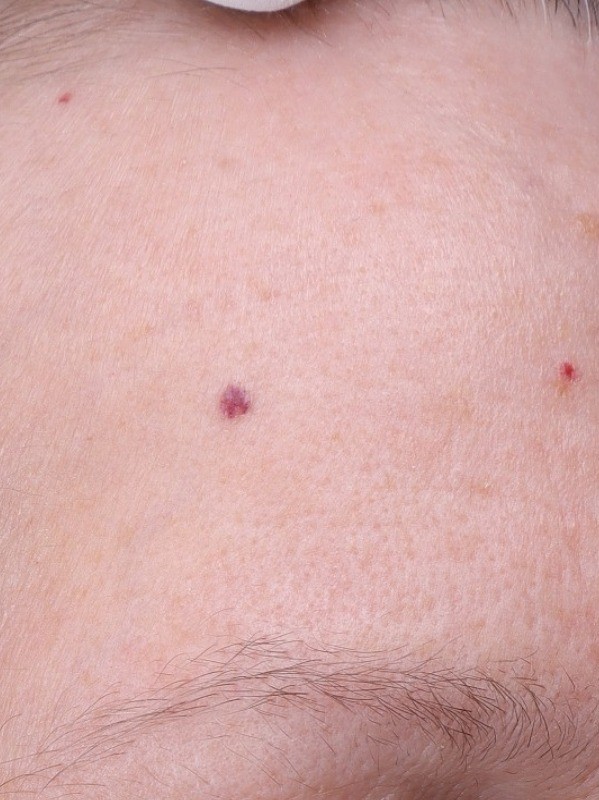 BeforeAfter
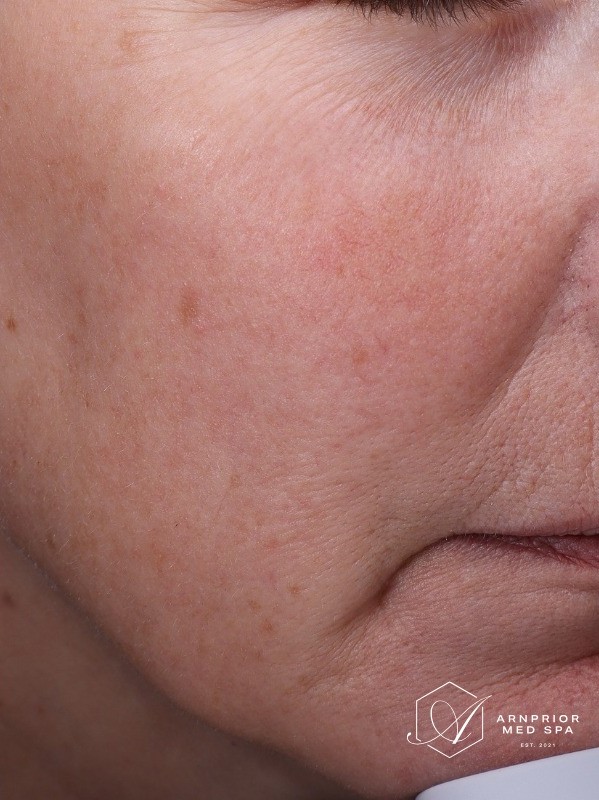
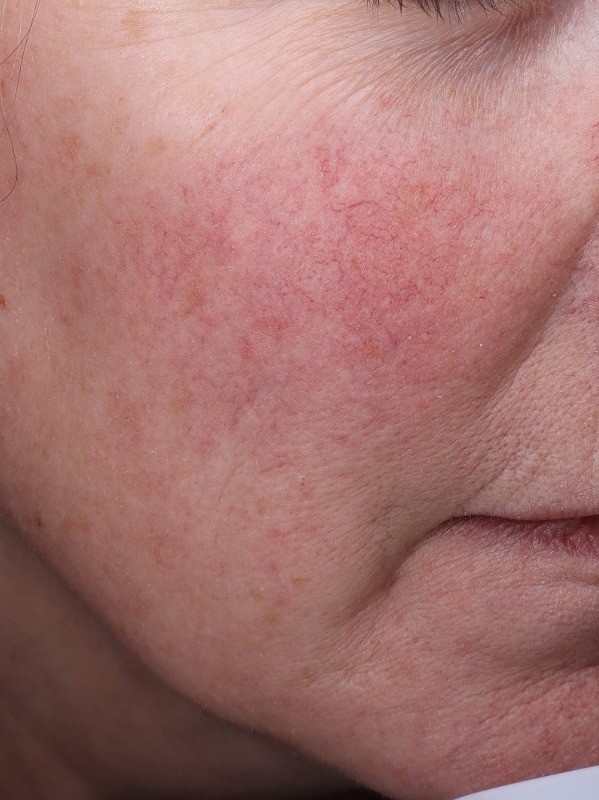 BeforeAfter
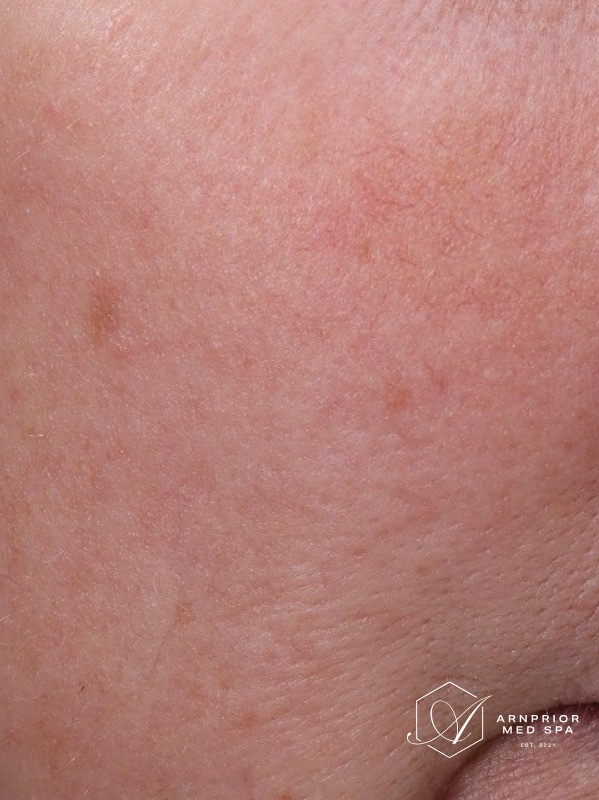
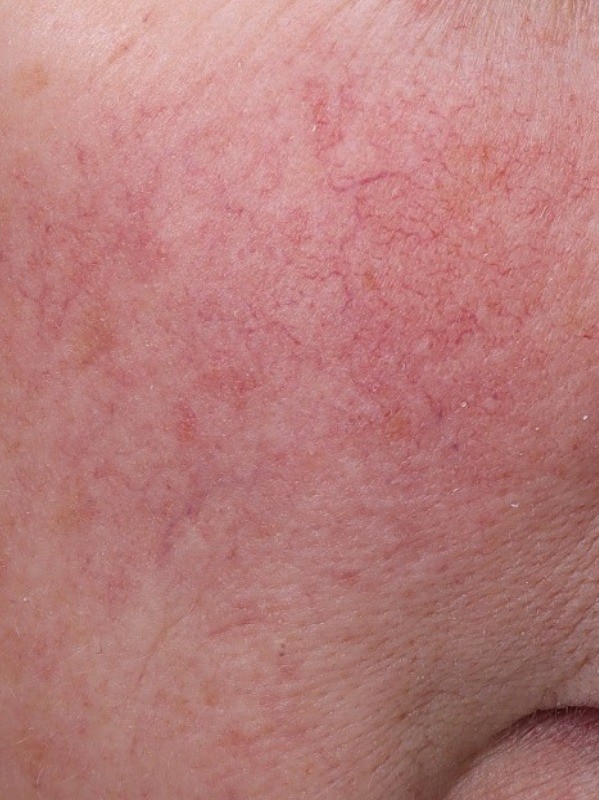 BeforeAfter
Drag any photo to compare
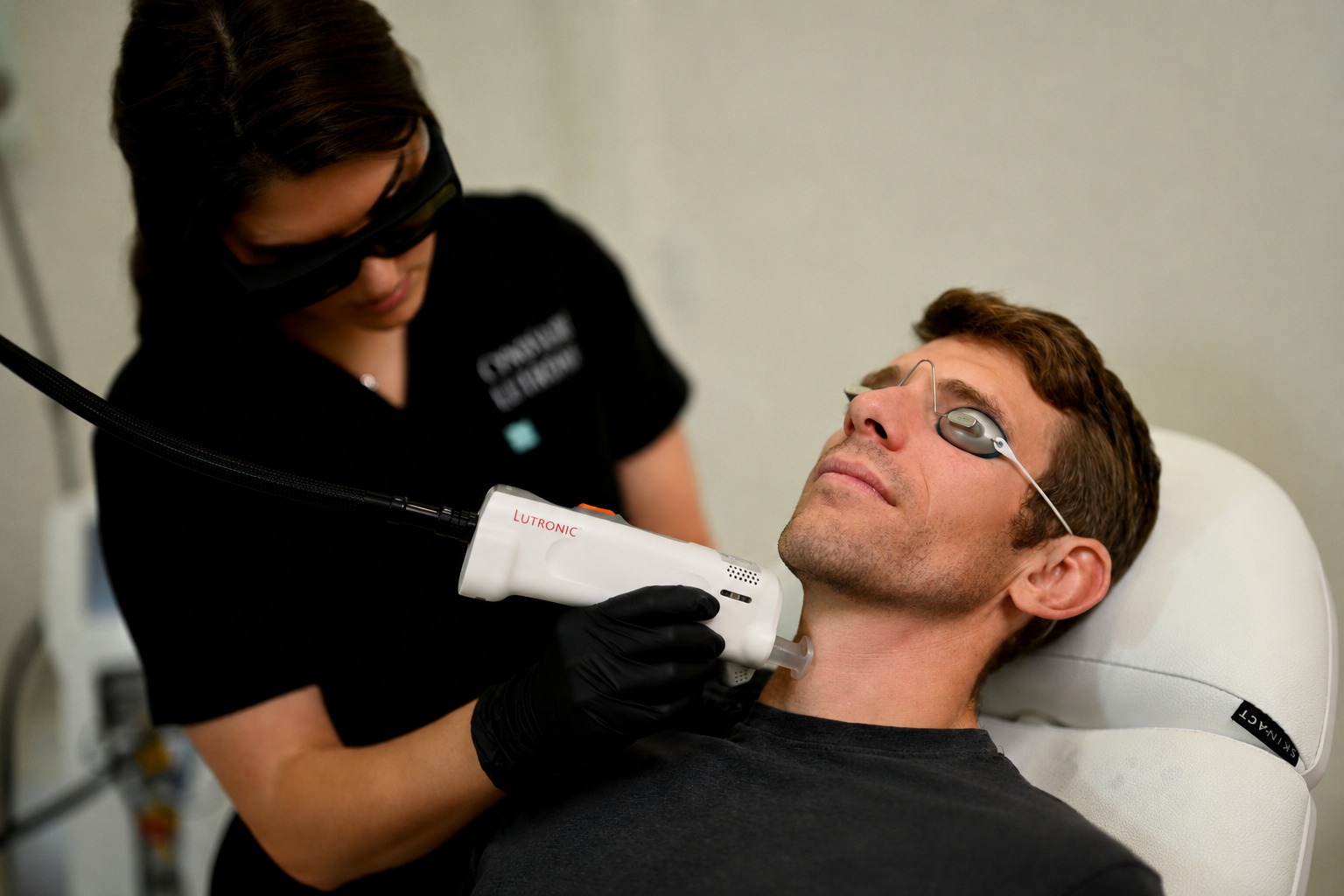
Derma V Dual-Wavelength Vascular Laser
Two wavelengths. One individualized vascular treatment. Derma V combines:
532 nm KTP
A green wavelength with strong interaction with superficial vascular targets, making it particularly relevant for concerns such as facial redness, telangiectasia and selected visible vessels.
1064 nm Nd:YAG
A longer wavelength that penetrates more deeply and can be selected for certain deeper or larger vascular targets.
Derma V is Health Canada licensed for specified benign vascular and cutaneous lesion indications. The appropriate wavelength and treatment approach depend on the vascular target, location and individual skin characteristics.
Published clinical research has also evaluated Derma V’s 532 nm KTP wavelength for rosacea-associated facial erythema and visible vessels.

Best For
Downtime: Temporary redness and mild swelling may occur. Recovery depends heavily on the vascular target and treatment intensity; some individual vessels may also temporarily darken or appear more noticeable as they respond.
Vascular + Pigment Concerns
What Can Derma V Treat?
Derma V gives us access to both 532 nm KTP and 1064 nm Nd:YAG wavelengths, allowing treatment to be selected according to the vascular or pigment target rather than treating every form of redness or discolouration the same way.
Vascular Redness
Facial Redness
When redness is driven in part by visible superficial vascular structures, Derma V allows those vessels to be selectively targeted rather than simply trying to camouflage redness at the surface.
Not every red or brown mark has the same cause. Treatment recommendations are based on clinical assessment of the vascular or pigment target, skin characteristics and the overall treatment plan.
Treatment Comparison
How Does Derma V Compare?
Choosing the right treatment for redness and visible vessels
Not every red or brown mark responds to the same technology. The right treatment depends on what is actually creating the colour within the skin—not simply whether that colour looks red or brown.
Target
Primary Biological Focus
Vascular + Pigment Laser
Derma V
Best suited in our treatment strategy for persistent redness, rosacea-associated redness, broken capillaries and visible vessels.
Derma V combines 532 nm KTP and 1064 nm Nd:YAG wavelengths within one platform. This gives us flexibility to select the wavelength and treatment approach according to the vascular target rather than treating every form of redness the same way.
The colour of a concern does not tell us everything about what caused it. We choose the device according to the biological target—not simply whether the skin looks red or brown.
How Derma V Works
How Derma V Works Within the Skin
Vascular laser treatment begins with identifying the vessel we are trying to treat. Derma V allows the wavelength and treatment approach to be selected according to characteristics such as vessel depth, size and colour. Explore each stage below.
Visible Vessel
Redness + Vascular Structures
Visible superficial vessels and patterns of vascular redness are first assessed to determine whether an appropriate laser target is present. The appearance, size, location and depth of the vascular structure help guide the treatment approach.
Treatment response varies according to the vascular target, area treated and individual skin characteristics. Not every form of facial redness represents a vessel that should be treated with laser.
Why Clients Choose Derma V at
Arnprior Med Spa
Their Skin Looks Calmer + More Even
Persistent redness and visible vessels can make otherwise healthy skin look irritated or uneven.
Derma V allows us to directly address vascular structures contributing to redness, helping reduce the appearance of visible vessels and creating a more even-looking complexion.
We Treat the Vessel, Not Just the Colour
Redness can have multiple causes.
During assessment, we look at where the redness is located, whether distinct vessels are visible, the depth and calibre of those vessels, flushing patterns and the overall condition of the surrounding skin.
That assessment helps determine whether vascular laser treatment is appropriate—and which wavelength makes sense.
Two Wavelengths Give Us More Treatment Flexibility
Derma V combines 532 nm KTP and 1064 nm Nd:YAG within one platform.
That matters because superficial facial vessels and deeper vascular structures do not behave identically. Having access to two wavelengths allows treatment to be selected according to the characteristics of the vascular target rather than forcing every vessel into one protocol.
It Becomes Part of a Longer-Term Redness Strategy
Laser can reduce visible vascular structures, but it does not eliminate the underlying tendency toward rosacea or guarantee that new vessels will never form.
For clients with chronic redness, Derma V may therefore become one part of a broader plan that includes appropriate skincare, trigger management, maintenance treatment and other technologies when different concerns coexist.
Derma V Laser in Arnprior + Ottawa Valley
Advanced vascular laser treatment near Ottawa. Looking for Derma V laser treatment near Ottawa?
Arnprior Med Spa offers dual-wavelength vascular laser treatment from our clinic in Arnprior, Ontario for clients concerned with persistent facial redness, rosacea-associated redness, broken capillaries and visible blood vessels.
Located in downtown Arnprior, we welcome clients from Kanata, Carp, Stittsville, Almonte, Carleton Place, Renfrew and throughout the Ottawa Valley.
Treatment begins with an assessment of the redness and vascular pattern so we can determine whether Derma V—or another laser or skin treatment—is actually the appropriate approach.
Frequently asked questions
THE RIGHT TREATMENT STARTS BY IDENTIFYING THE REDNESS
Ready to Build a Plan for Calmer, More Even-Looking Skin?
Discover whether Derma V—or another vascular, pigment or skin treatment—is the appropriate approach for your redness, visible vessels or rosacea-associated vascular changes.
