NON-ABLATIVE FRACTIONAL LASER · ARNPRIOR + OTTAWA VALLEY

Non-Ablative Fractional Laser Resurfacing Near Ottawa

Improve pigmentation, sun damage, texture, enlarged pores, fine lines and selected acne scars with fractional laser treatments customized to your skin.

At Arnprior Med Spa, we use two distinct non-ablative fractional wavelengths, 1927 nm LaseMD Ultra and 1550 nm Mosaic 3D, because pigment and texture do not always require the same treatment.

You don’t need to choose the laser yourself. We assess your skin first and determine which wavelength, or combination of treatments, makes the most sense.

Which one is for you

Both of our fractional lasers treat the skin without removing its surface, and both are chosen at a consultation, not by you. The difference is simple: one is aimed at colour, the other at texture.

If your concern is colour

Brown spots, sun damage, melasma and uneven tone
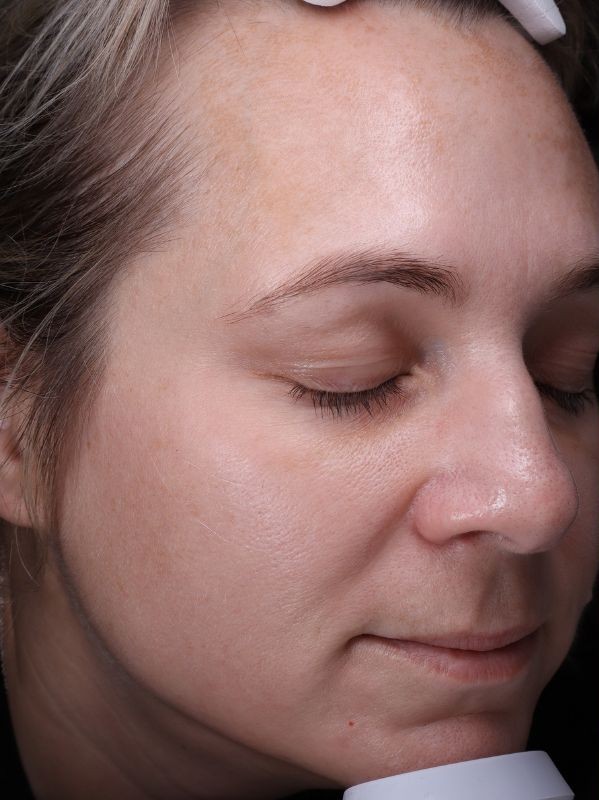
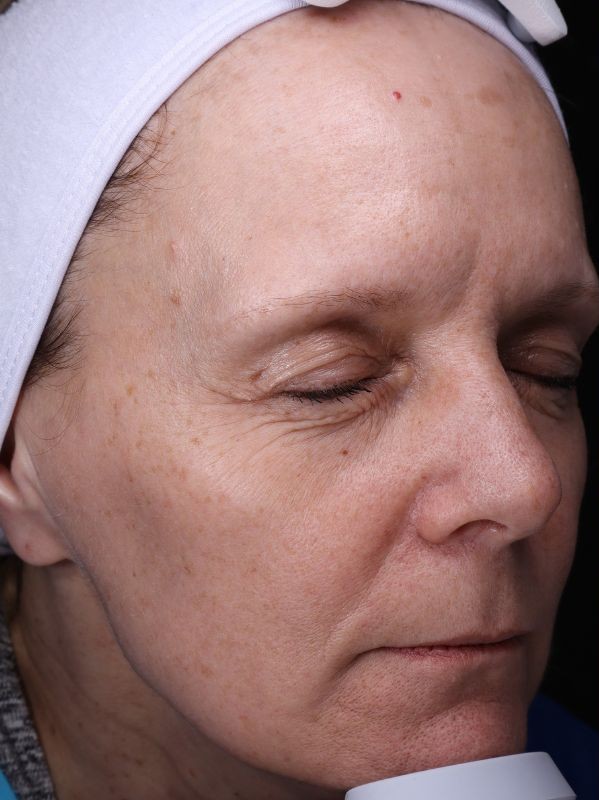
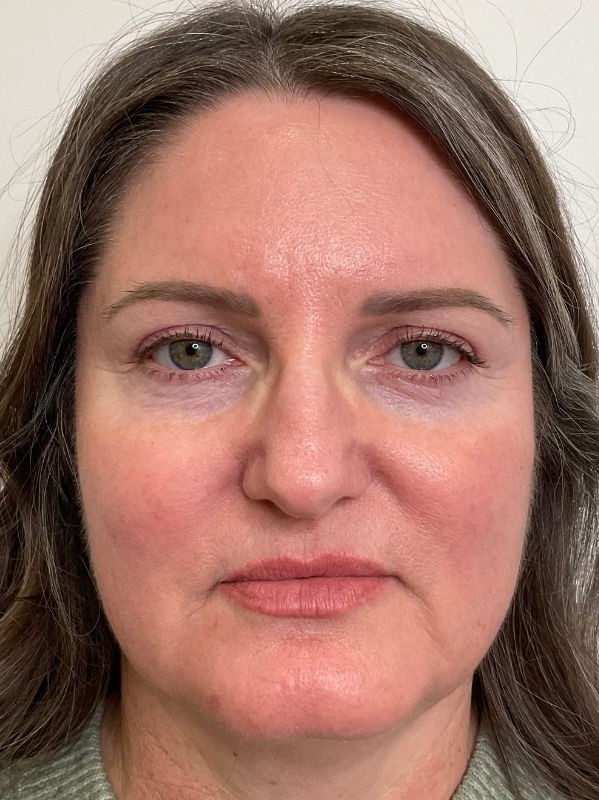
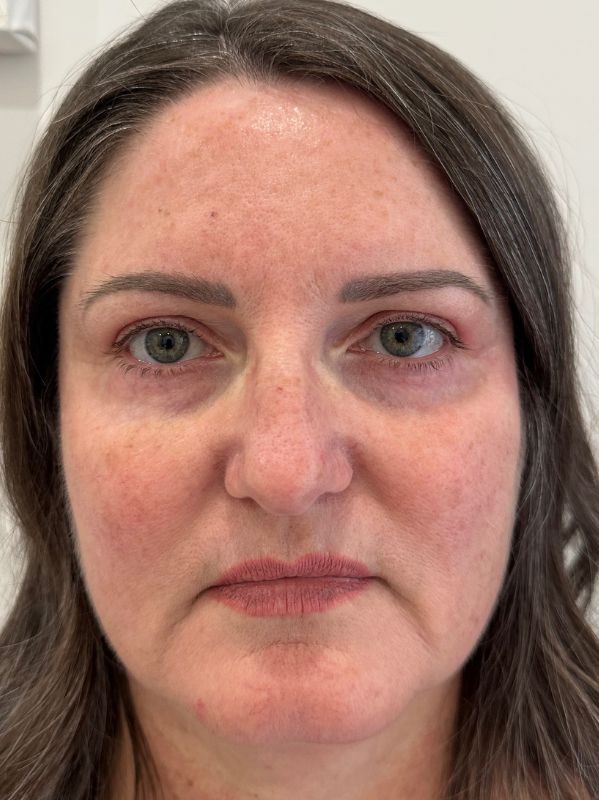
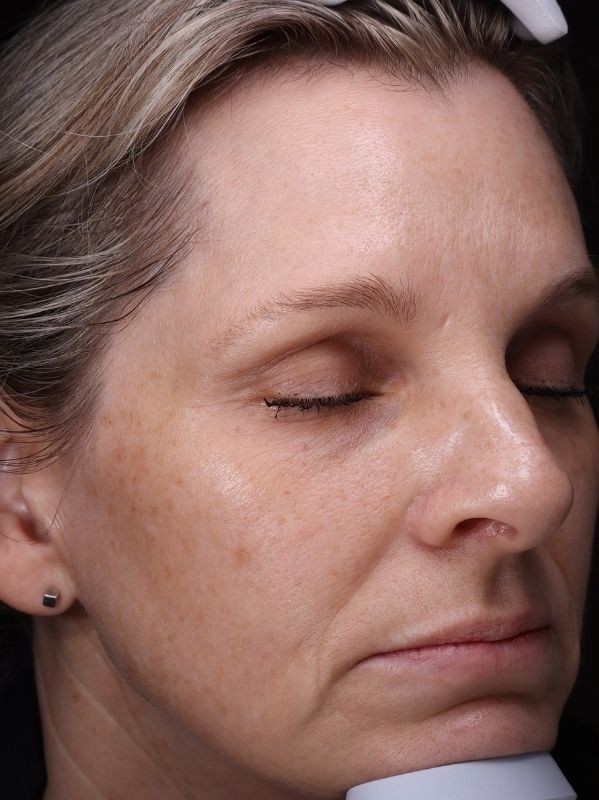
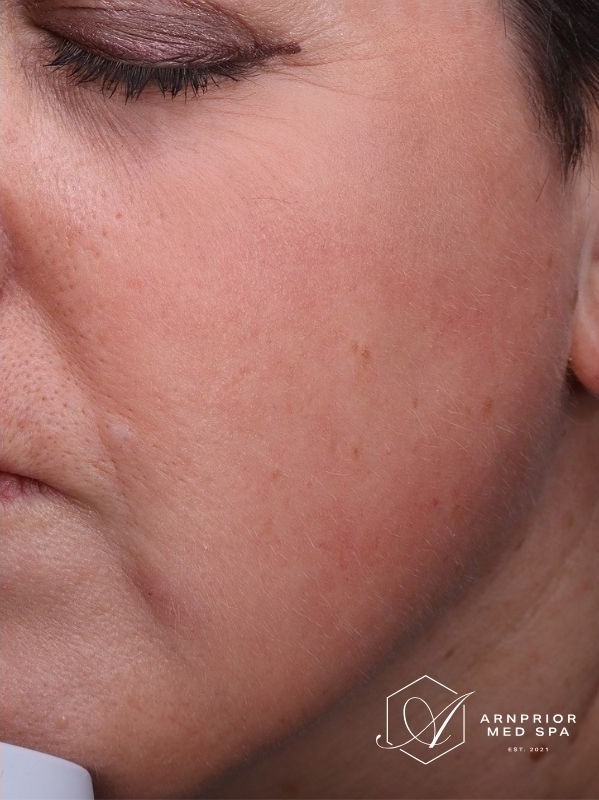
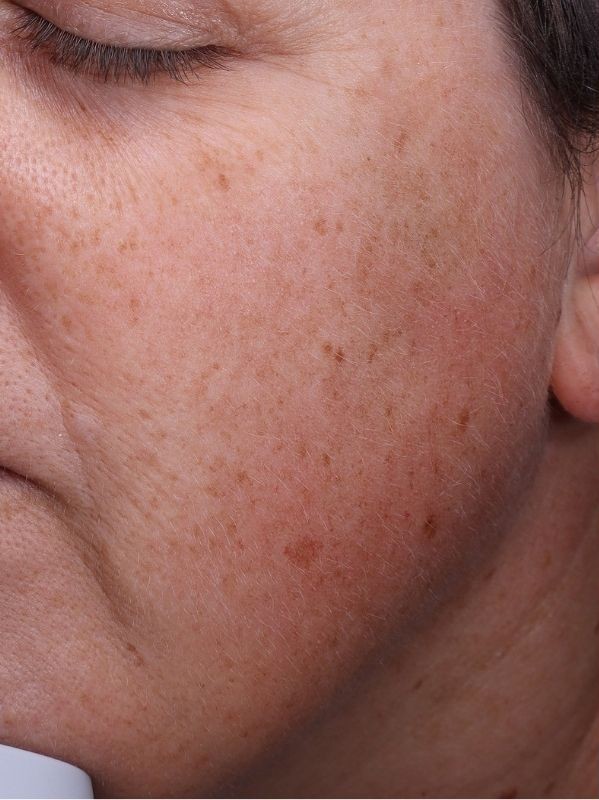
Melasma and hyperpigmentation after LaseMD Ultra laser skin resurfacingMelasma and hyperpigmentation before LaseMD Ultra laser skin resurfacingBeforeAfter
Our own result. Melasma and hyperpigmentation, treated on the LaseMD Ultra.

LaseMD Ultra, 1927 nmNon-ablative fractional. Works at the superficial layer where pigment sits.

About LaseMD Ultra

If your concern is texture

Rough texture, enlarged pores, fine lines and acne scarring
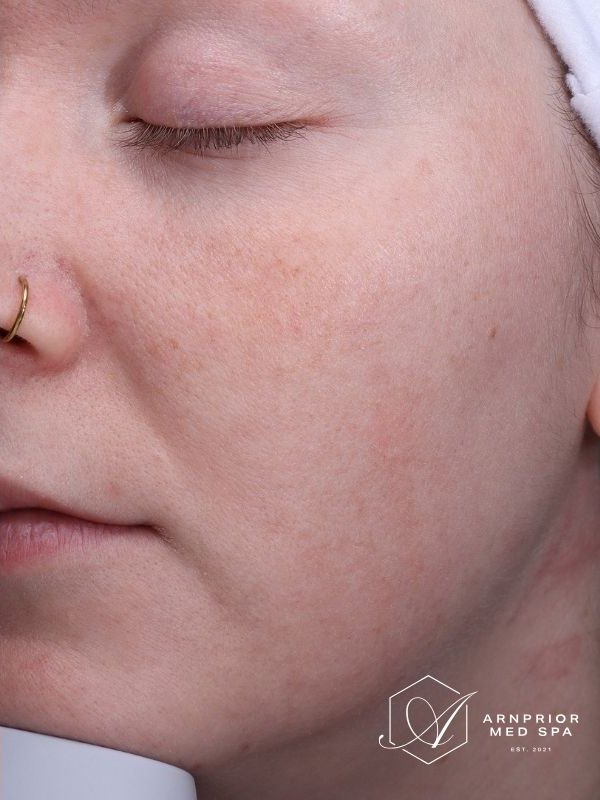
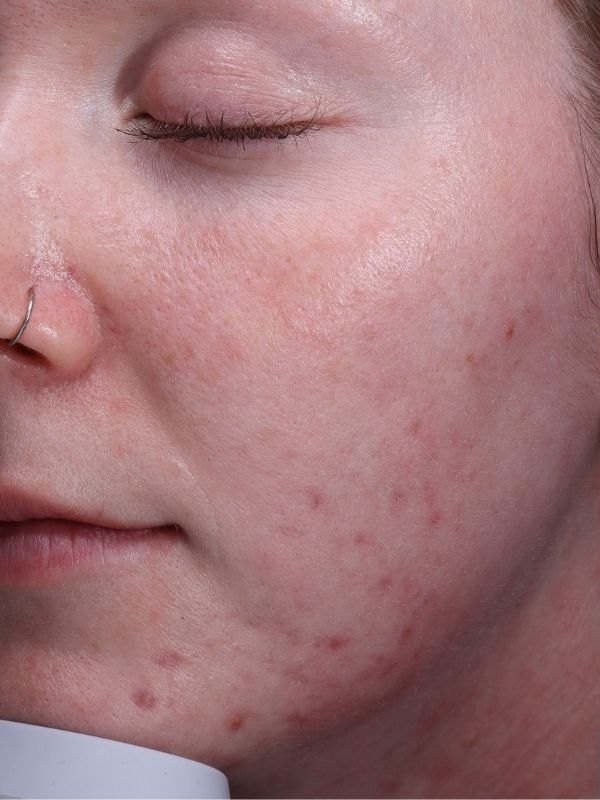
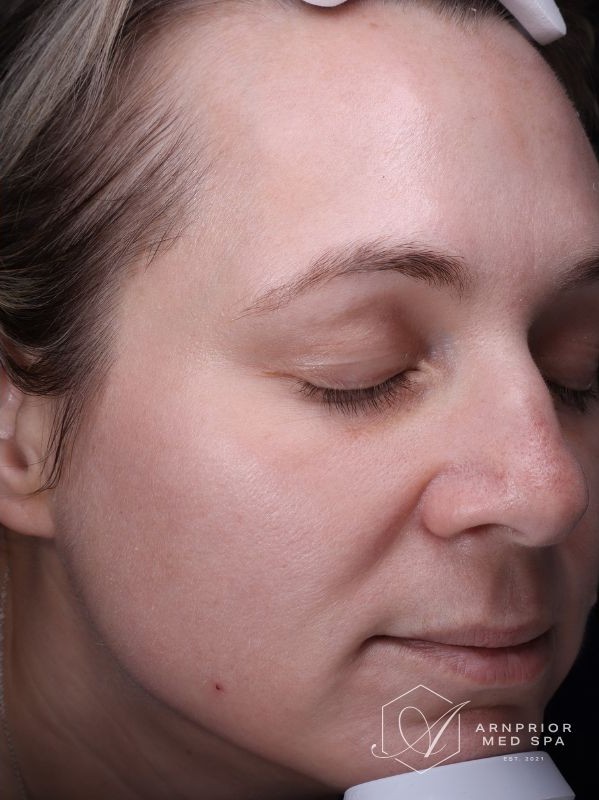
Acne scarring and texture after Mosaic 3D laser resurfacing at Arnprior Med SpaAcne scarring and texture before Mosaic 3D laser resurfacing at Arnprior Med SpaBeforeAfter
Our own result. Acne scarring and texture, treated on the Mosaic 3D.

Mosaic 3D, 1550 nmNon-ablative fractional. Reaches deeper, into the mid dermis, to remodel texture.

About Mosaic 3D

Have both? That is common, and pigment and texture do not have to be treated at the same appointment. Treatment can be staged or combined according to what your skin needs first.

Two Wavelengths. Two Different Jobs.

For clients who want fractional resurfacing without ablating the entire skin surface, we use two complementary technologies.

LaseMD Ultra 1927 nm is primarily selected when pigmentation, sun damage and uneven tone are the priority.

Mosaic 3D 1550 nm reaches deeper for fractional dermal remodelling when texture, pores, fine lines and selected acne scars are the primary concern.

When the degree of correction requires actual surface ablation, we can step up to Fotona Er:YAG or CO₂ resurfacing.
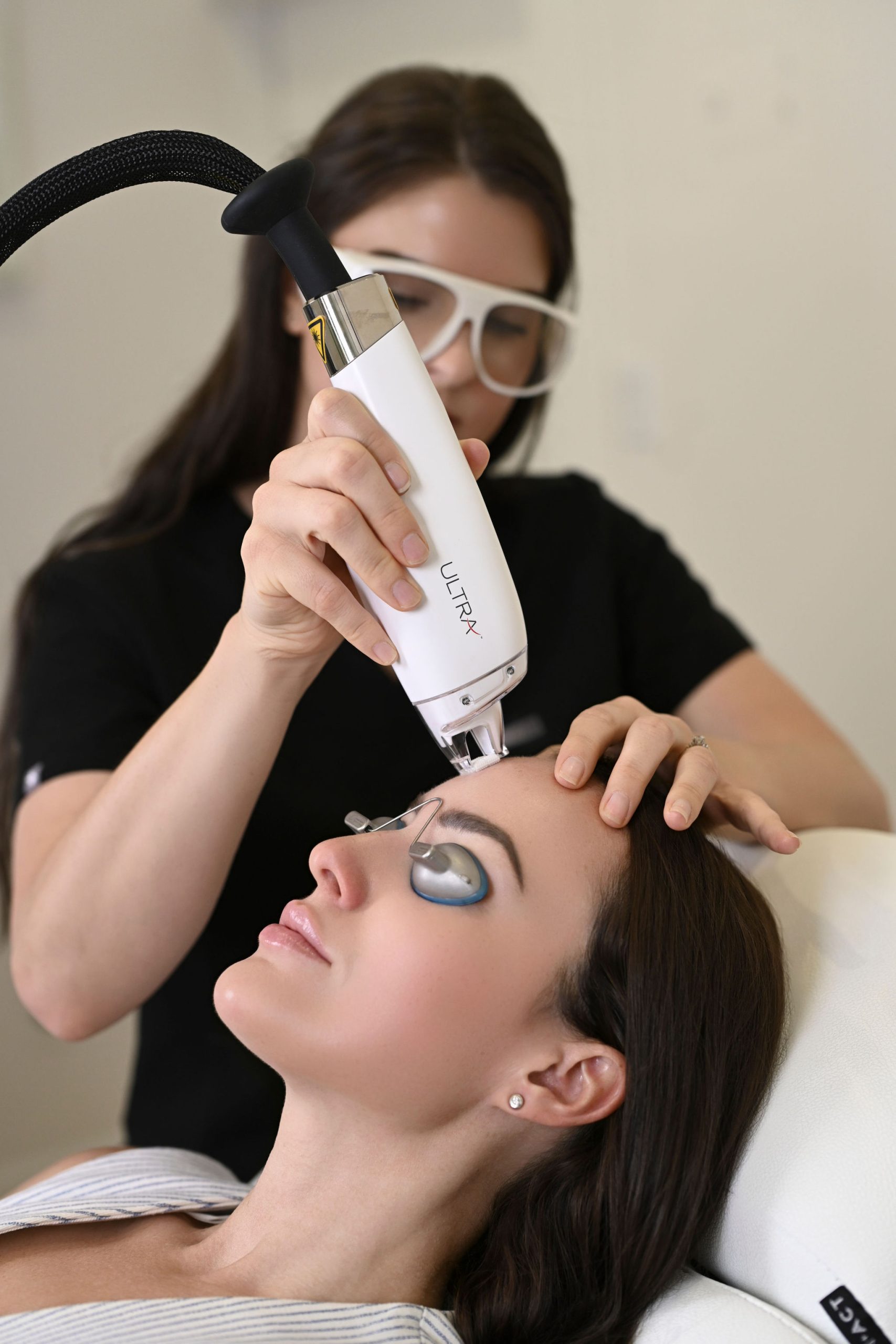
Stacey Foster performing laser resurfacing treatment in Arnrprior, ON

LaseMD Ultra, 1927 nm

Pigment + Photodamage

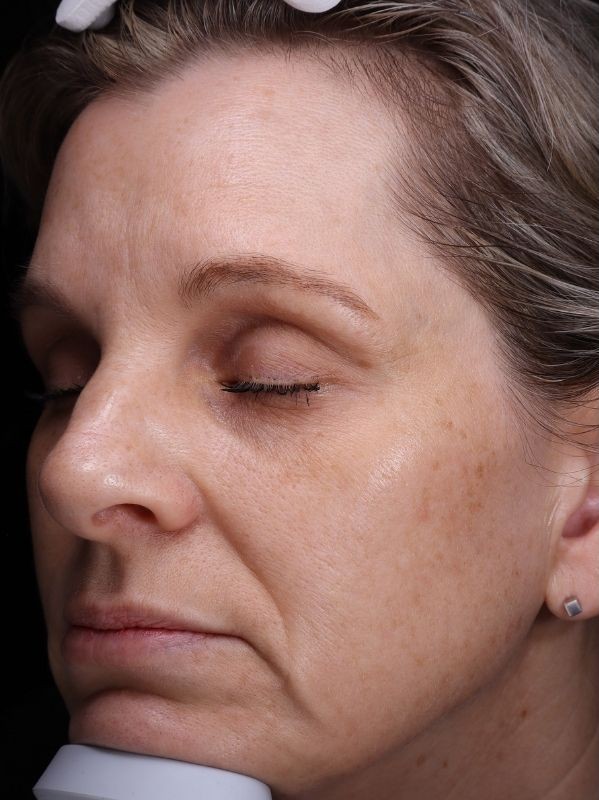
LaseMD Ultra is a 1927 nm non-ablative fractional thulium laser used when pigmentation and photodamage are the dominant concerns.

Fractional laser energy creates microscopic treatment zones across the skin while leaving surrounding tissue intact. This allows us to target visible sun damage and uneven pigmentation without full-surface ablation.

best for

  • Sun damage
  • Brown spots + lentigines
  • Uneven pigmentation
  • Uneven tone
  • Melasma
  • Freckles

Recovery: Generally several days of redness, dryness or rough texture, depending on treatment intensity.
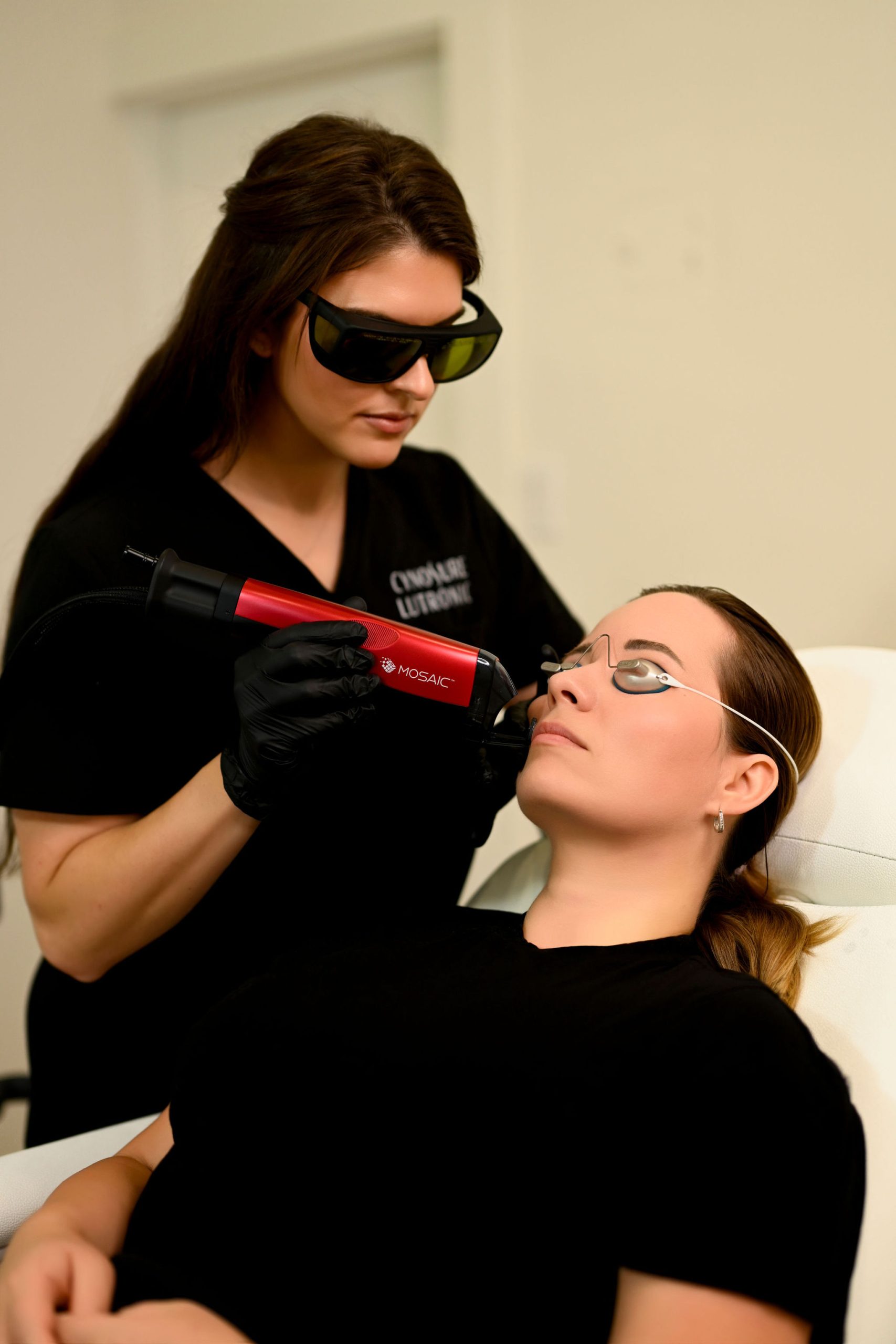
woman receiving Textural Resurfacing Laser treatment in Arnprior Ontario

Mosaic 3D, 1550 nm

Texture + Dermal Remodelling

Mosaic 3D is a 1550 nm non-ablative fractional Er:Glass laser designed for deeper fractional remodelling.

It is particularly useful when the concern is less about visible pigment and more about uneven texture, pores, fine lines around the eyes and mouth, and selected acne scars. Lutronic describes Mosaic 3D as stimulating mid-dermal collagen and elastin while incorporating integrated cooling for sensitive areas such as the eyes and mouth.

best for

  • Uneven texture
  • Enlarged pores
  • Acne scarring
  • Fine lines + wrinkles
  • Perioral wrinkles
  • Periorbital wrinkles
  • Collagen remodelling

Recovery: Typically several days of redness, mild swelling, dryness or rough texture depending on treatment density and intensity.

Non-Ablative Fractional Resurfacing

Ultra or Mosaic?

Both treatments are non-ablative fractional lasers, but they work at different wavelengths and are selected for different priorities within the skin.

A Simple Way to Think About It Is the problem mostly colour, or mostly texture?
Compare
LaseMD Ultra 1927 nm Thulium
Mosaic 3D 1550 nm Er:Glass
Laser Type
Non-ablative fractional laser
Primary Focus
Pigmentation + photodamage
Texture + dermal remodelling
Think
Brown spots, sun damage, freckles, uneven pigmentation and overall tone.
Enlarged-looking pores, uneven texture, fine lines, selected acne scars and textural change.
Treatment Goal
Fractional treatment directed toward superficial photodamage and pigment-related concerns.
Fractional thermal remodelling at greater depth when texture is the primary concern.
Ablative?
No. The treatment is non-ablative.
Recovery
Redness, dryness, rough texture and visible shedding can occur depending on treatment intensity.
Redness, mild swelling, dryness and rough texture can occur depending on treatment density and intensity.
Patient Question
“Why does my skin look uneven in colour?”
“Why does my skin look uneven up close?”

What if you have both?

That’s common. Pigmentation and texture often exist together. Rather than expecting one wavelength to solve every concern, treatment may be staged or combined according to what your skin needs first.

Non-Ablative Fractional Laser Results

Real treatment outcomes from LaseMD Ultra and Mosaic 3D at Arnprior Med Spa.
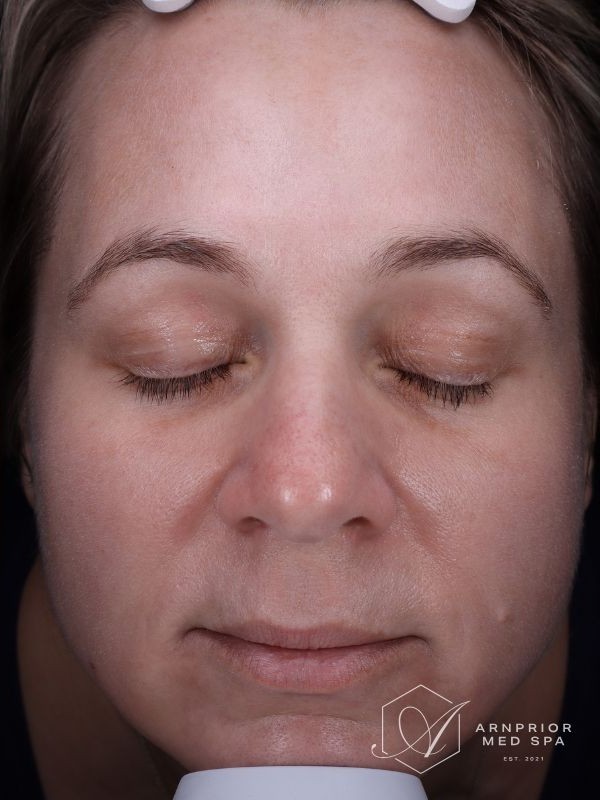
Melasma and hyperpigmentation after LaseMD Ultra laser skin resurfacing at Arnprior Med SpaMelasma and hyperpigmentation before LaseMD Ultra laser skin resurfacing at Arnprior Med SpaBeforeAfter

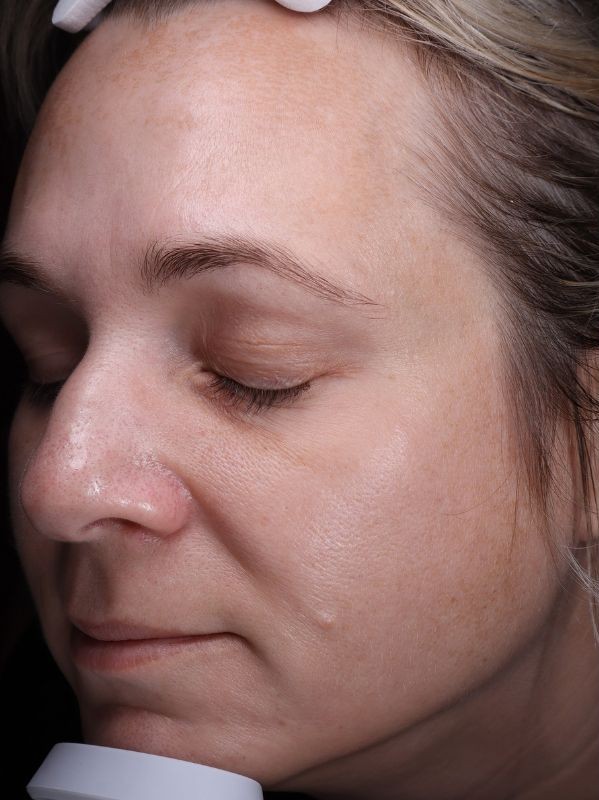
Melasma and hyperpigmentation before and after LaseMD Ultra
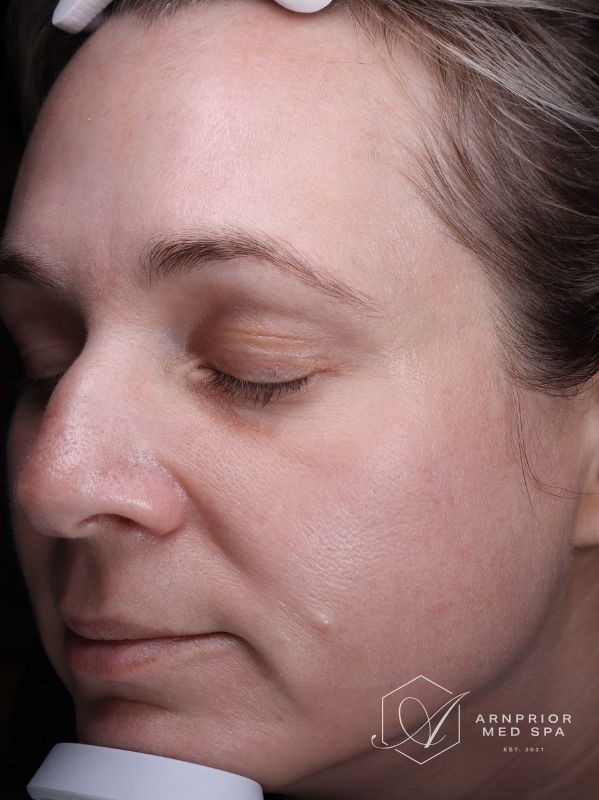
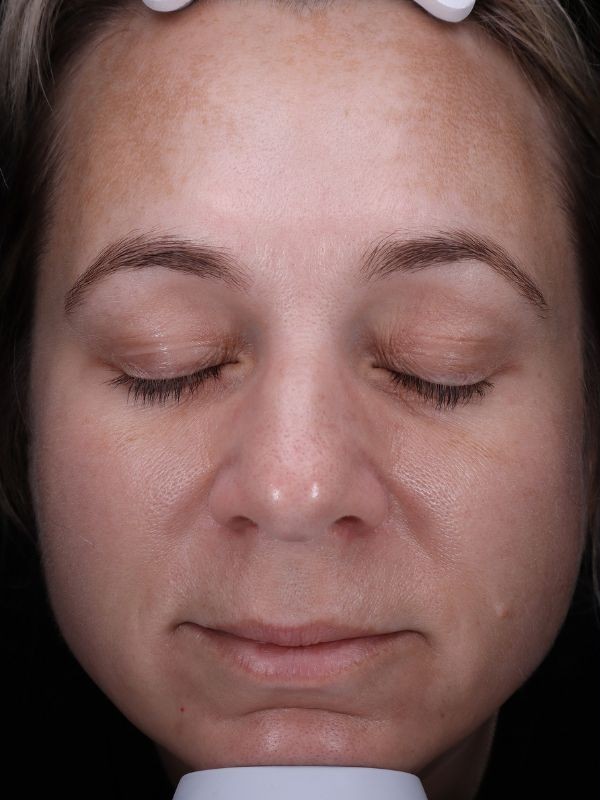
LaseMD Ultra Skin Resurfacing Melasma Hyperpigmentation, afterLaseMD Ultra Skin Resurfacing Melasma Hyperpigmentation, beforeBeforeAfter

Melasma hyperpigmentation before and after LaseMD Ultra fractional skin resurfacing
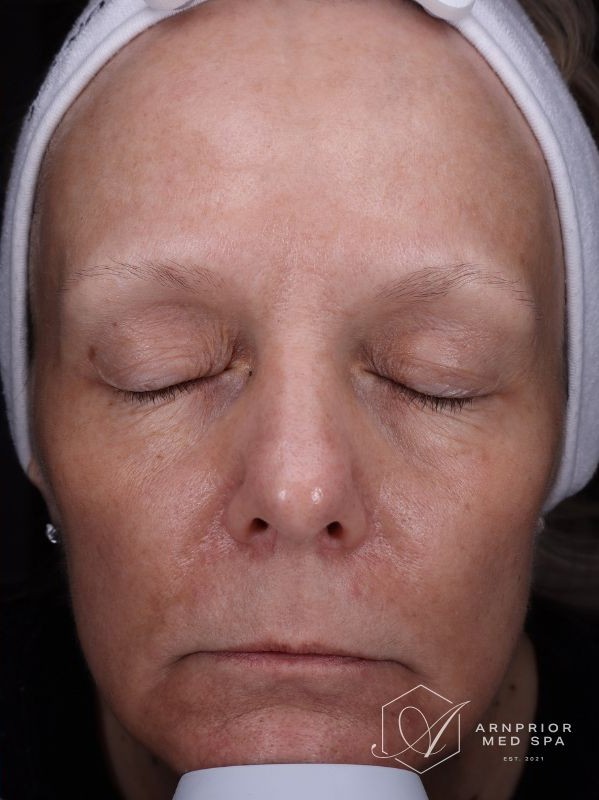
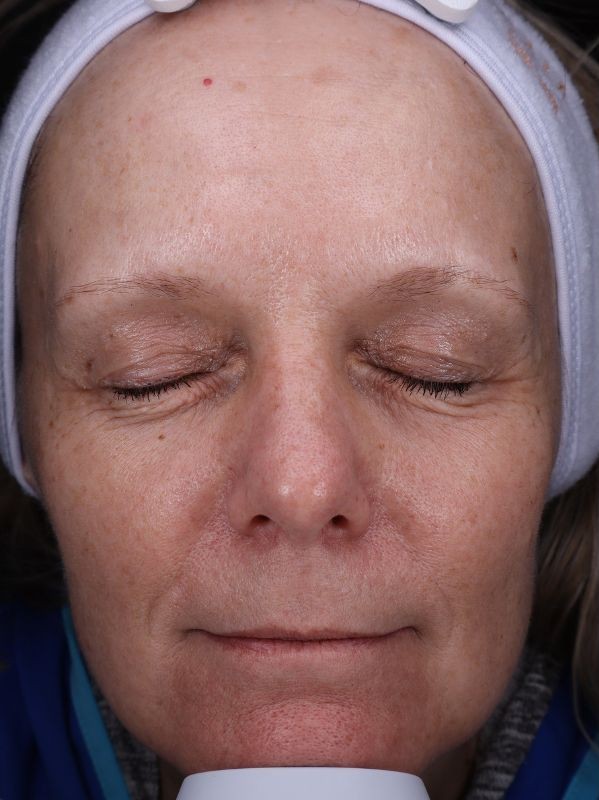
Sun damage, hyperpigmentation, and fine lines after laser skin resurfacingSun damage, hyperpigmentation, and fine lines before laser skin resurfacingBeforeAfter

Sun damage and fine lines before and after LaseMD Ultra
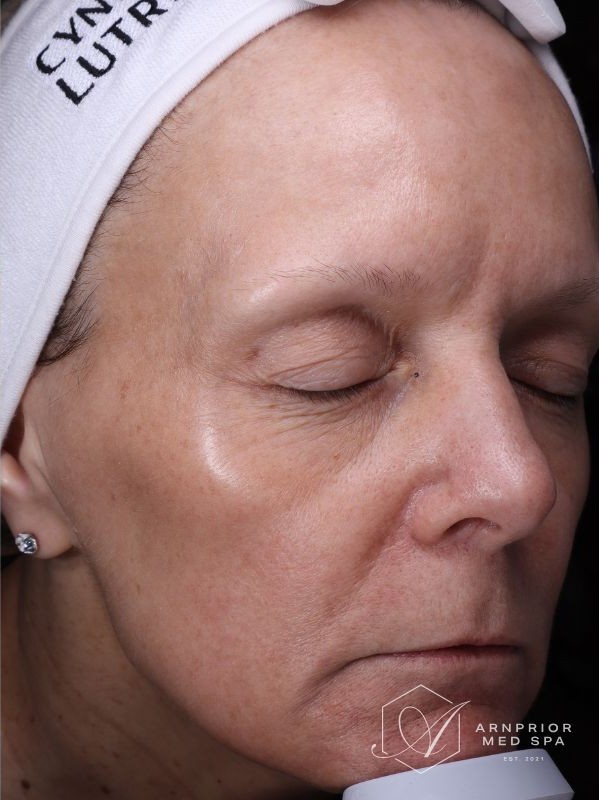
Sun damage, hyperpigmentation, and fine lines after laser skin resurfacingSun damage, hyperpigmentation, and fine lines before laser skin resurfacingBeforeAfter

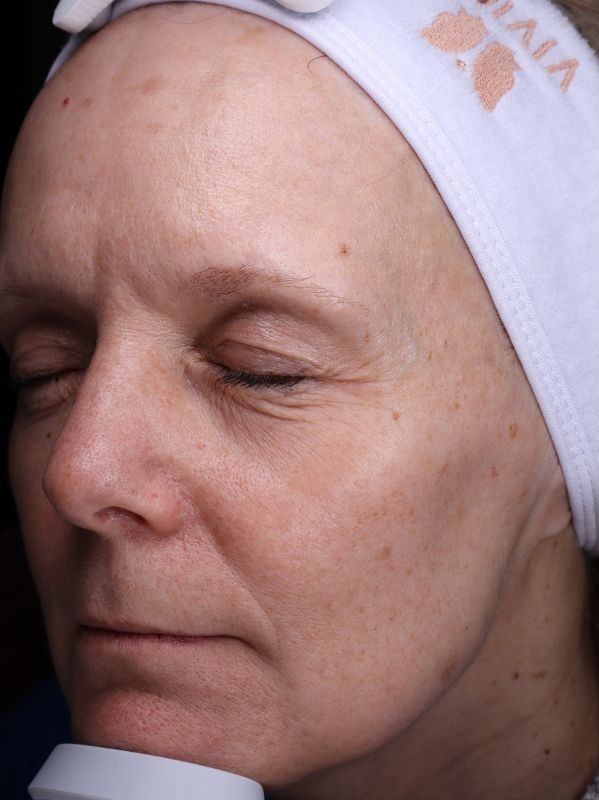
Fine lines around the eyes before and after LaseMD Ultra
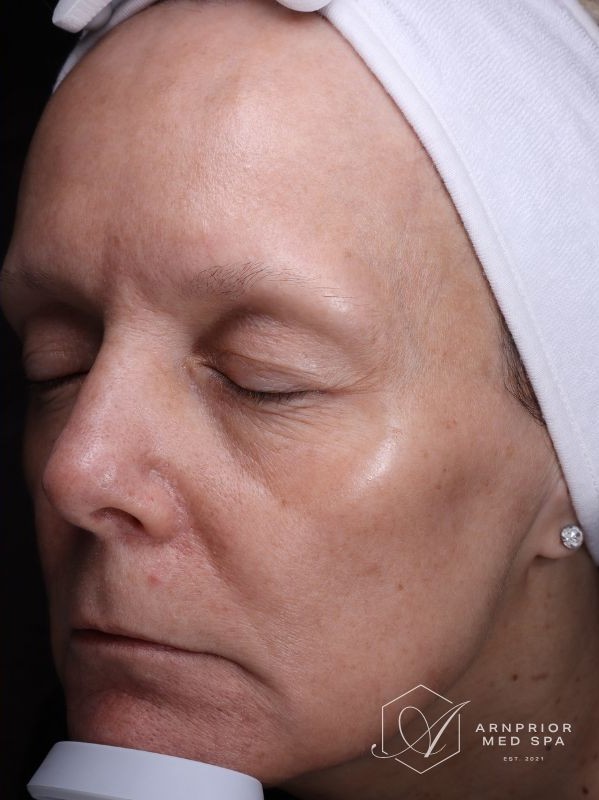
Fine lines after laser skin resurfacingFine lines before laser skin resurfacingBeforeAfter

Fine lines around the eyes before and after LaseMD Ultra
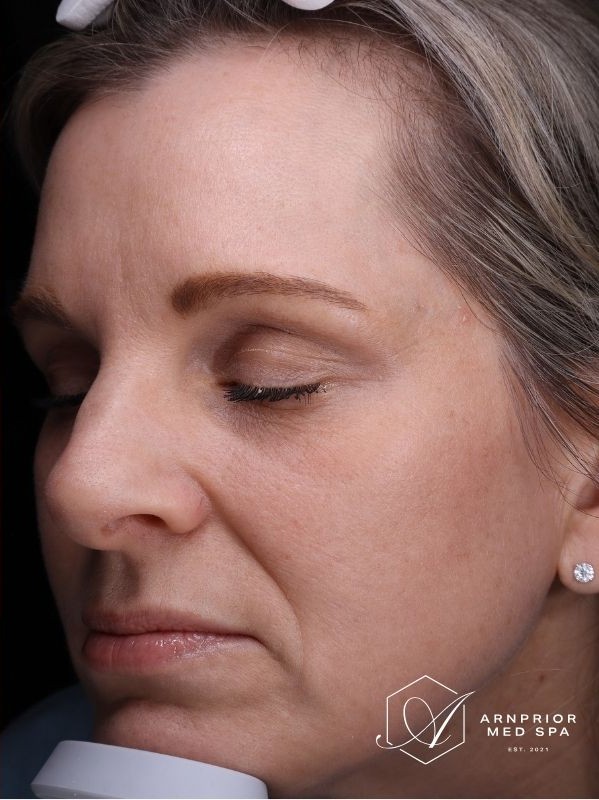
Hyperpigmentation after laser resurfacing at Arnprior Med SpaHyperpigmentation before laser resurfacing at Arnprior Med SpaBeforeAfter

Pigmentation before and after laser skin resurfacing with LaseMD Ultra
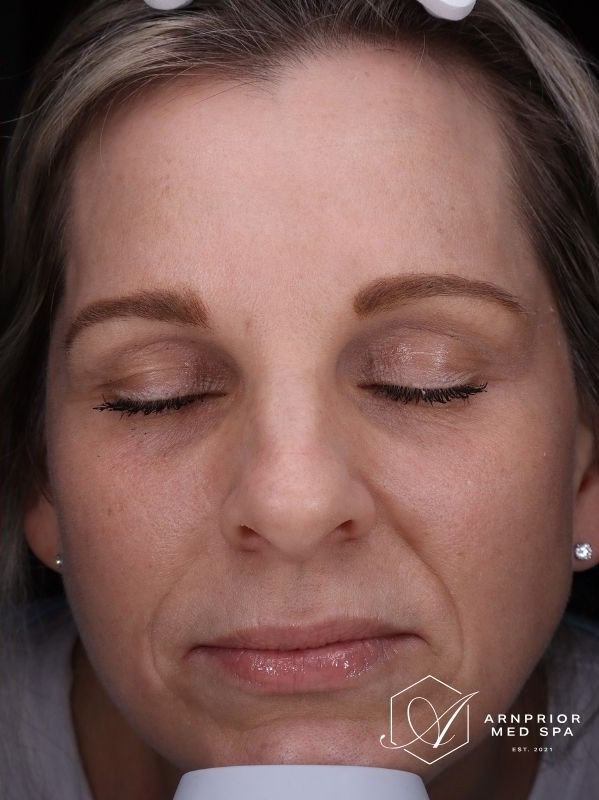
Hyperpigmentation after LaseMD UltraHyperpigmentation before LaseMD UltraBeforeAfter

Uneven pigmentation before & after Lutronic LaseMD Ultra
Hyperpigmentation after LaseMD UltraHyperpigmentation before LaseMD UltraBeforeAfter

Uneven pigmentation before & after Lutronic LaseMD Ultra
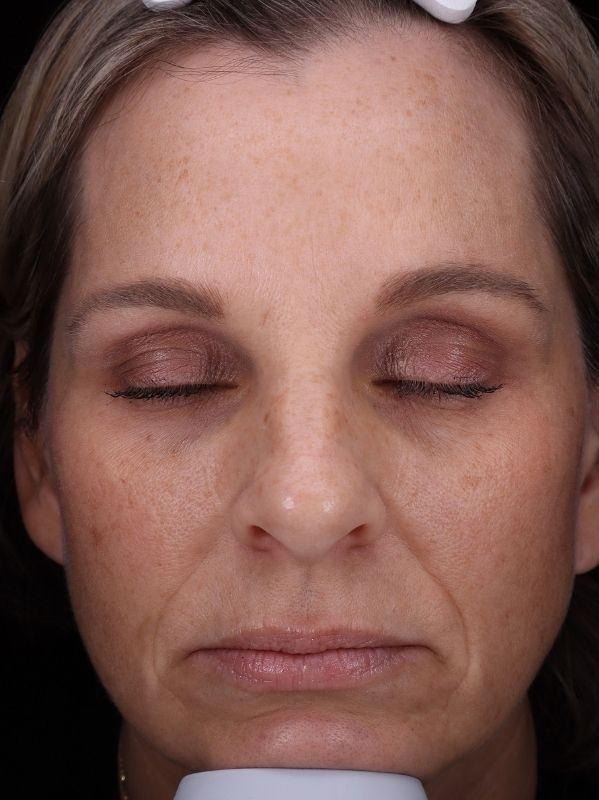
Hyperpigmentation after LaseMD Ultra in Arnprior OntarioHyperpigmentation before LaseMD Ultra in Arnprior OntarioBeforeAfter

Uneven pigmentation before & after Lutronic LaseMD Ultra
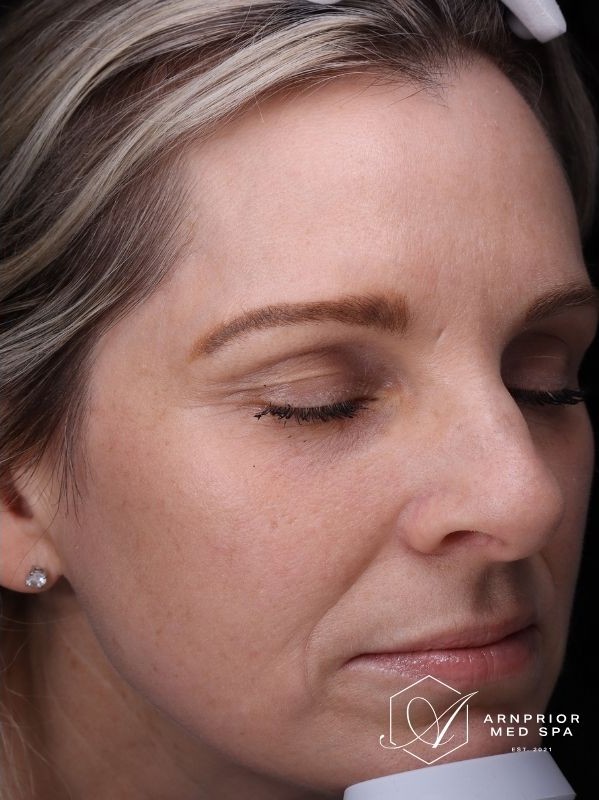
Hyperpigmentation after LaseMD Ultra and CO2 LaserHyperpigmentation before LaseMD Ultra and CO2 LaserBeforeAfter

Hyperpigmentation before and after LaseMD Ultra combined with CO2 resurfacing
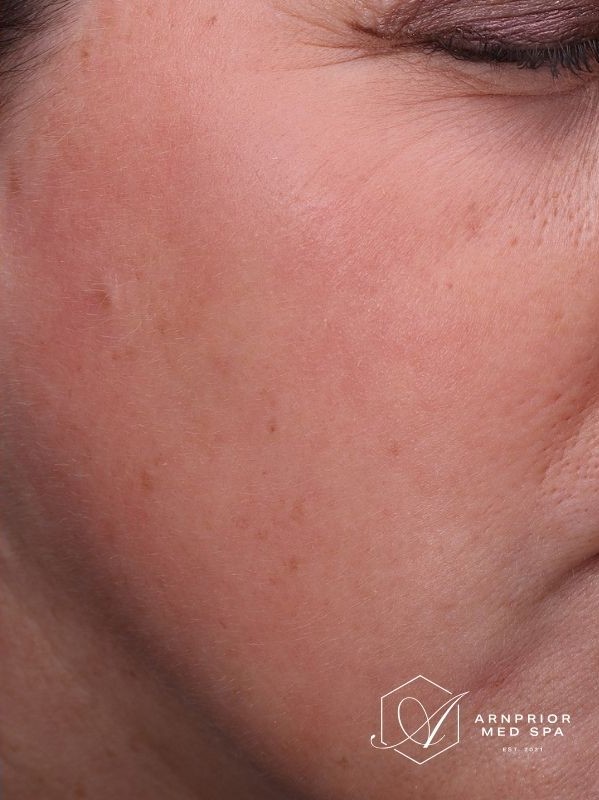
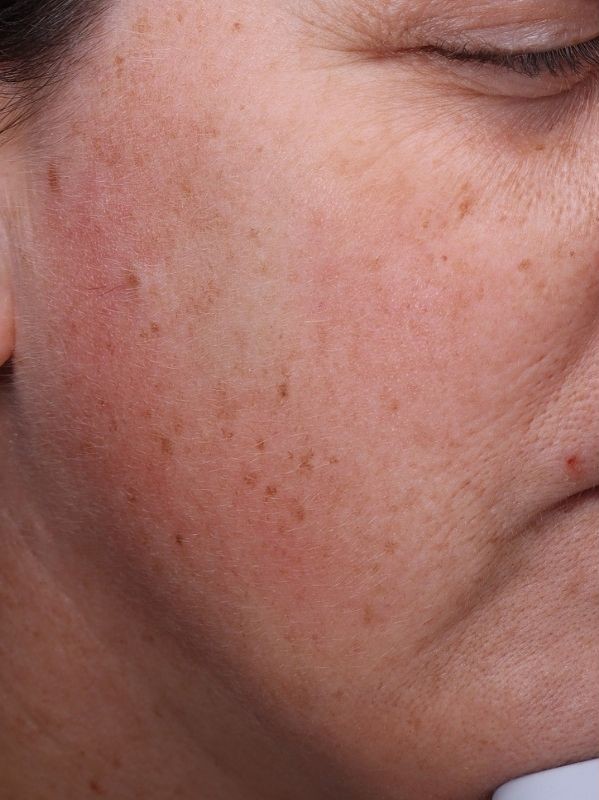
Hyperpigmentation after LaseMD Ultra and CO2 LaserHyperpigmentation before LaseMD Ultra and CO2 LaserBeforeAfter

Hyperpigmentation before and after LaseMD Ultra combined with CO2 resurfacing
Drag any photo to compare

Why Clients Choose Non-Ablative Fractional Resurfacing

Corrective Without Full-Surface Ablation

Improve pigment or texture while maintaining untreated surrounding tissue between fractional treatment zones.

Treatment Matched to the Concern

1927 nm when pigment is dominant.

1550 nm when deeper texture and remodelling are the priority.

Less Recovery Than Our Ablative Options

For clients who want meaningful correction but aren’t ready for the recovery associated with deeper Er:YAG or CO₂ resurfacing.

Part of a Long-Term Skin Plan

Fractional resurfacing can be combined with skincare, vascular or pigment treatments and more intensive resurfacing when appropriate.

Non-Ablative Fractional Laser Resurfacing Near Ottawa + Petawawa

Clients visit Arnprior Med Spa from Ottawa, Kanata, Carp, Renfrew, Pembroke, Petawawa and across the Ottawa Valley for a consultation-led approach to laser resurfacing.

Because we offer both non-ablative and ablative resurfacing technologies, treatment is selected according to the skin concern rather than the device.

Other resurfacing options

This page names other lasers because the right one depends on the concern. Here is where each of them sits.

Frequently asked questions

Non-ablative fractional laser resurfacing creates microscopic zones of controlled heat within the skin without removing the entire skin surface.

Because only a fraction of the skin is treated at one time, surrounding tissue remains available to support the healing response. The goal is to stimulate renewal and remodelling while avoiding the degree of surface removal associated with ablative lasers such as Er:YAG and CO₂.

At Arnprior Med Spa, our primary non-ablative fractional resurfacing technologies are LaseMD Ultra 1927 nm and Mosaic 3D 1550 nm. They are both fractional lasers, but they work at different depths and are chosen for different skin concerns.

The simplest difference is that LaseMD Ultra is primarily chosen when pigment and photodamage are the priority, while Mosaic 3D is chosen when texture and deeper fractional remodelling are the priority.

LaseMD Ultra uses a 1927 nm thulium wavelength. We use it frequently when concerns include sun damage, uneven pigmentation, brown spots and overall tone.

Mosaic 3D uses a 1550 nm Er:Glass wavelength. It creates deeper fractional thermal treatment zones and is particularly useful for uneven texture, enlarged-looking pores, fine lines and selected acne scars.

Both are non-ablative. Neither is automatically “better”, they simply do different jobs within the skin.

When pigmentation and sun damage are the dominant concerns, LaseMD Ultra is generally the more pigment-focused of the two treatments.

The 1927 nm thulium wavelength is particularly useful for more superficial photodamage and pigmented concerns. LaseMD Ultra is used for concerns such as lentigines, freckles, sun damage and uneven pigmentation.

Mosaic can improve overall skin quality and tone, but its 1550 nm wavelength is something I reach for more often when texture and dermal remodelling are the priority.

The important part is determining what the pigmentation actually is first. A sun spot, post-inflammatory pigmentation and melasma may look similar to a patient but can require very different treatment strategies.

If acne scarring and uneven texture are the primary concerns, Mosaic 3D will generally have the more relevant treatment profile of these two lasers.

Mosaic’s 1550 nm non-ablative fractional technology is designed to create thermal treatment within the dermis and is used for concerns including acne scars and textural irregularity.

That said, “acne scars” are not one single type of scar. Different scar patterns can respond differently to resurfacing, and some patients benefit from a combination approach rather than simply increasing laser intensity.

This is why I prefer to assess the scar pattern first and then decide whether Mosaic, or a more intensive resurfacing technology such as Er:YAG or CO₂ makes sense.

Yes. Non-ablative fractional resurfacing can be used to improve fine lines and textural change around the eyes and mouth in appropriately selected patients.

Mosaic 3D is particularly useful in these areas because its 1550 nm platform is designed for fractional remodelling and incorporates cooling options intended for sensitive areas around the eyes and mouth. The manufacturer specifically identifies these areas as applications for textural improvement.

The important distinction is between fine textural lines and changes caused primarily by volume loss or significant skin laxity. Laser resurfacing improves skin quality; it does not replace lost volume or create a surgical lift.

Non-ablative fractional resurfacing generally has less recovery than ablative Er:YAG or CO₂ resurfacing, but it is not necessarily a zero-downtime treatment.

After LaseMD Ultra, the skin may become red, warm, dry or rough and can visibly shed as it renews. Lutronic notes that normal activities can often be resumed quickly, while complete healing may continue over approximately 5 to 7 days depending on treatment intensity.

Mosaic 3D can cause redness, warmth, mild swelling, dryness or rough texture. Recovery varies with treatment density and intensity; Lutronic describes mild-to-moderate downtime in clinical use of the platform.

During consultation, we discuss how much visible recovery you are realistically comfortable with, because downtime is one of the factors that helps determine which treatment makes sense.

Most non-ablative fractional resurfacing plans involve a series rather than assuming one treatment will correct everything.

The number depends on what we are treating, the degree of correction required, treatment intensity and how your skin responds.

For LaseMD Ultra, some patients may notice improvement after one session while others require a series. Lutronic’s published patient examples include outcomes after multiple treatments.

Mosaic 3D is also commonly used as a series; Lutronic cites clinical experience showing improvement after multiple sessions.

Rather than selling everyone the same predetermined number of treatments, I prefer to establish what we are trying to change first and build the treatment plan around that.

The key difference is that non-ablative lasers heat controlled areas within the skin without intentionally removing the surface, while ablative lasers can physically remove controlled amounts of skin tissue.

Our LaseMD Ultra 1927 nm and Mosaic 3D 1550 nm treatments are non-ablative fractional lasers.

Our Fotona Er:YAG 2940 nm and CO₂ 10,600 nm technologies can be used for ablative resurfacing.

In general, non-ablative treatment offers a different balance between correction and recovery, while ablative resurfacing allows us to create a more significant surface-remodelling response when that degree of correction is warranted. Fotona describes Er:YAG as capable of highly controlled layer-by-layer ablation, while Lutronic distinguishes its non-ablative fractional options from its more intensive CO₂ resurfacing treatments.

More aggressive does not automatically mean more appropriate.

I consider ablative Er:YAG or CO₂ when the degree or type of skin damage requires more surface correction than I expect a non-ablative treatment to provide.

That might include more established wrinkles, significant photodamage, deeper textural irregularity or selected acne scars.

Fotona Er:YAG 2940 nm gives us highly controlled ablative resurfacing and can be adjusted across different treatment depths and thermal effects.

CO₂ 10,600 nm may be considered when I specifically want a more substantial ablative and thermal remodelling response.

Choosing between them isn’t simply about which laser is stronger. It is about what tissue effect we are trying to create and whether the added recovery is justified by the expected benefit.

Sometimes, but pigment and texture do not necessarily need to be treated with the same wavelength or at the same time.

This is one of the reasons we have both LaseMD Ultra and Mosaic 3D.

If pigmentation is dominant, we may prioritize 1927 nm Ultra.

If texture, pores or scarring are dominant, we may prioritize 1550 nm Mosaic.

If both are present, we can build a staged plan that addresses each concern appropriately instead of expecting one laser to solve everything.

For some patients the treatments can complement one another; for others it makes more sense to stabilize pigment or improve skin health before moving into more aggressive textural correction.

The sequence is part of the treatment plan.

Melasma needs to be approached differently from ordinary sun damage, and laser is not automatically the first or strongest treatment I recommend.

Melasma is a chronic pigmentary condition that can be influenced by UV exposure, visible light, hormones, inflammation and other factors. A 1927 nm fractional thulium laser has been studied as one possible treatment for selected melasma patients, but treatment needs to be carefully selected and incorporated into a broader pigment-management strategy.

At Arnprior Med Spa, the priority is first to determine whether the pigmentation actually behaves like melasma and to address the factors that can contribute to recurrence.

That may mean skincare, pigment control and strict photoprotection before laser is considered.

If I think resurfacing is likely to create more inflammation than benefit, I would rather change the plan than perform a laser simply because it is available.

You don’t need to know. Choosing the laser is part of the assessment.

Two people can both come in saying:

“I want my skin to look smoother and get rid of these brown spots.”

and require completely different treatment plans.

During your consultation we look at:

  • the concern you are actually trying to correct
  • pigmentation and redness
  • texture, pores and scarring
  • your skin history
  • previous treatments
  • current skincare
  • tolerance for downtime
  • pigment risk
  • your goals and expectations

From there, we determine whether LaseMD Ultra, Mosaic 3D, Fotona Er:YAG or CO₂, alone or in a staged combination, makes the most sense.

You bring us the concern. We determine the technology.

If you’ve been researching Clear + Brilliant, LaseMD Ultra may sound familiar, because both use non-ablative fractional laser technology, and both can include a 1927 nm wavelength. But they aren’t identical treatments.

Clear + Brilliant Touch combines 1440 nm and 1927 nm wavelengths and is designed around gentle fractional resurfacing for concerns such as early texture change, pore appearance, fine lines and overall skin maintenance.

LaseMD Ultra is a dedicated 1927 nm thulium fractional laser with up to 20 W of power and a treatment range that can be adjusted from milder skin refreshment to more corrective approaches. At Arnprior Med Spa, we primarily use Ultra when sun damage, pigmentation and uneven tone are important treatment priorities.

Which one is better?

Neither is automatically better.

If your goal is primarily a gentle maintenance treatment with minimal interruption, Clear + Brilliant may be an appropriate option.

Not Sure Which Laser Resurfacing Treatment Is Right for You?