

REDNESS + VISIBLE VESSELS | ARNPRIOR + OTTAWA VALLEY
Facial Redness + Rosacea Treatment Near Ottawa
Persistent facial redness, visible capillaries and flushing can have different causes—and they should not automatically receive the same treatment.
We begin with a skin assessment and VISIA imaging, then use an individualized ZO Skin Health regimen to calm and strengthen the skin when needed. Once the skin is prepared, Derma V vascular laser and Healite II LED may be incorporated into your treatment plan.
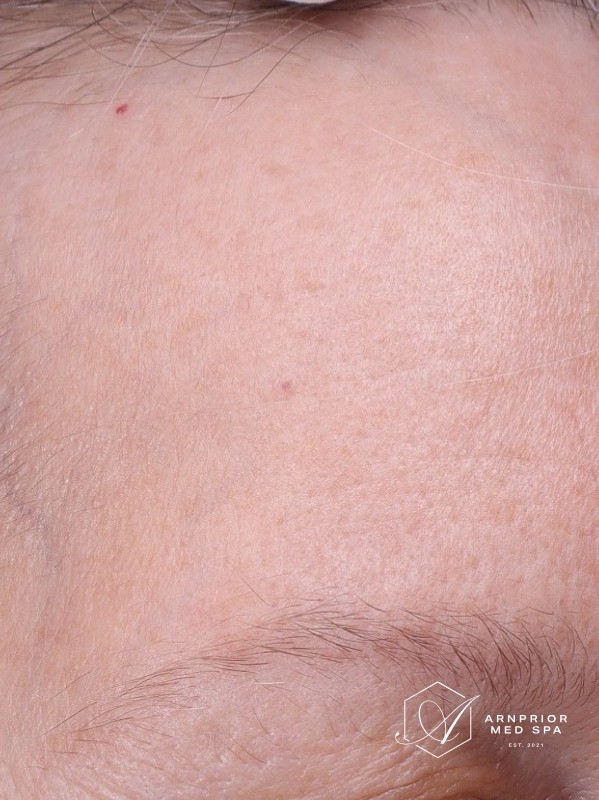
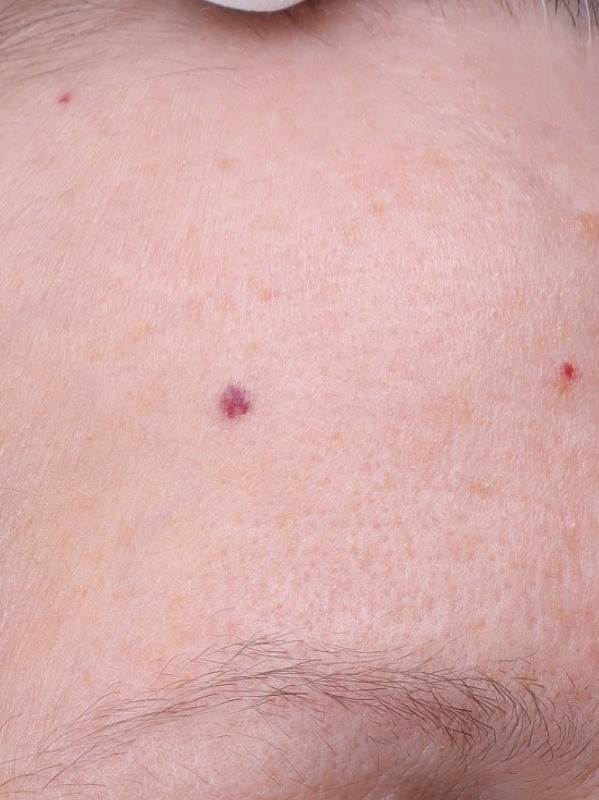
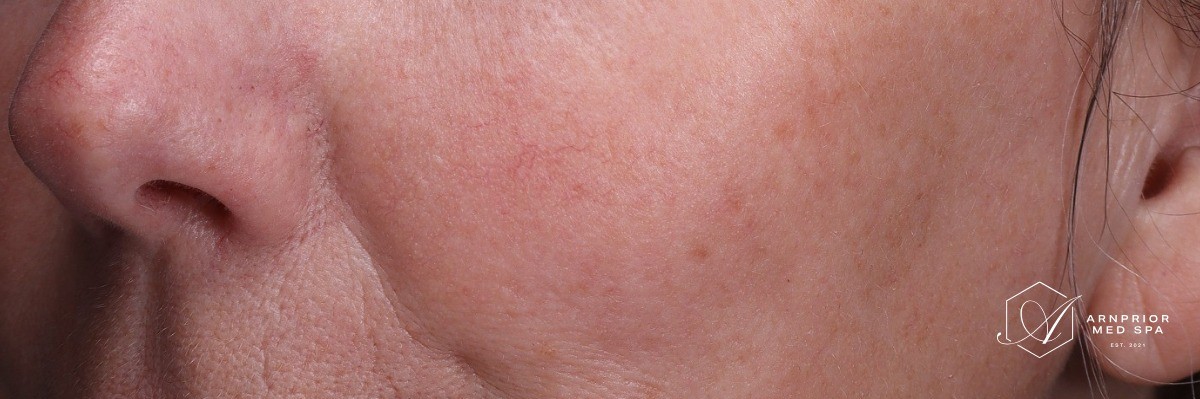
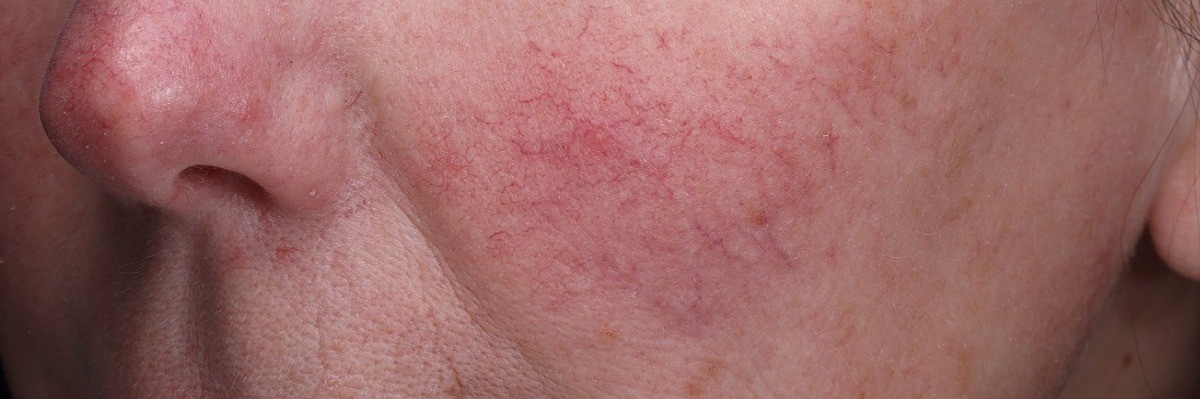
Real patient results, facial redness
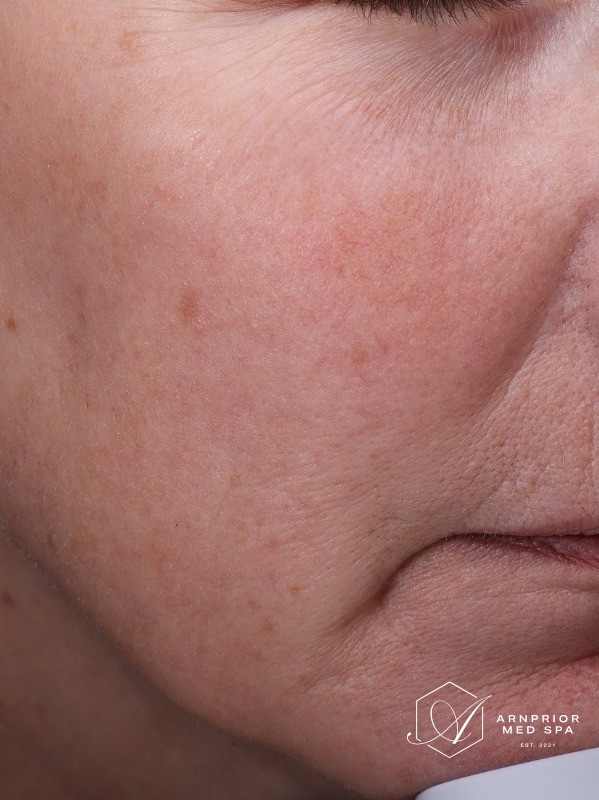
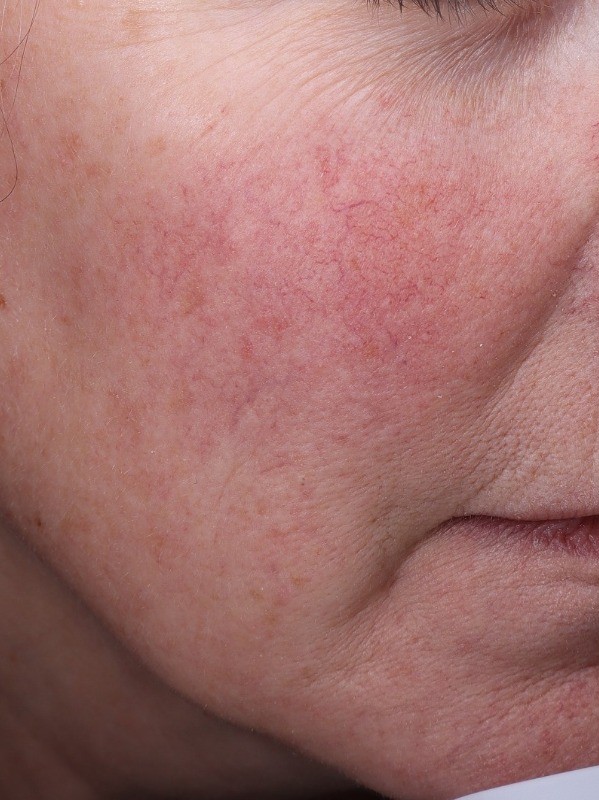 BeforeAfter
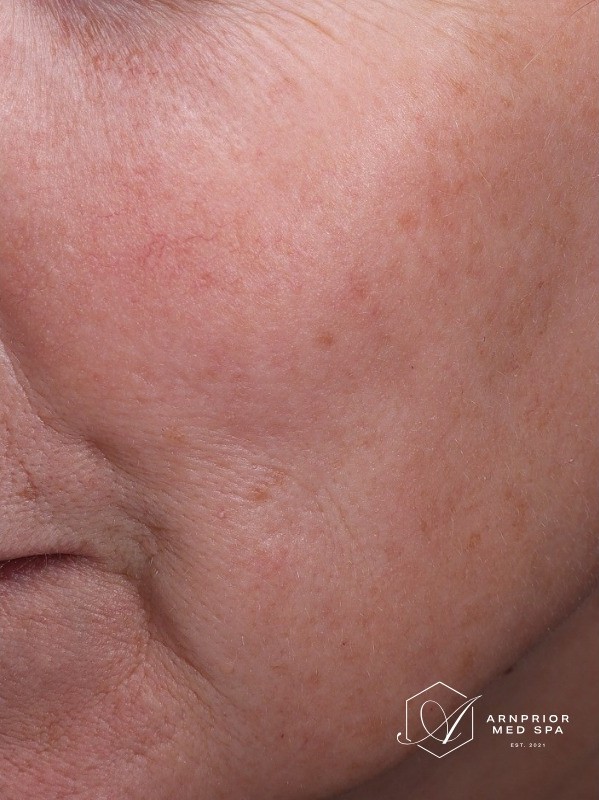
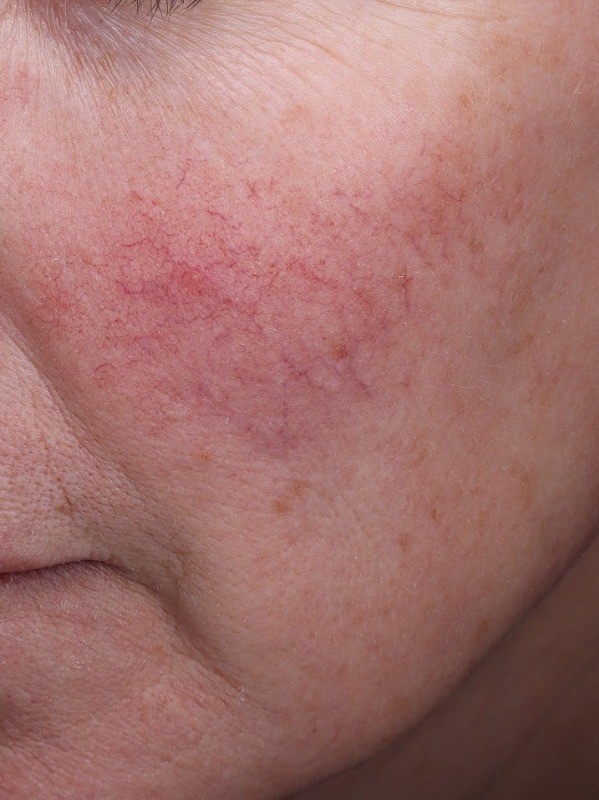 BeforeAfter
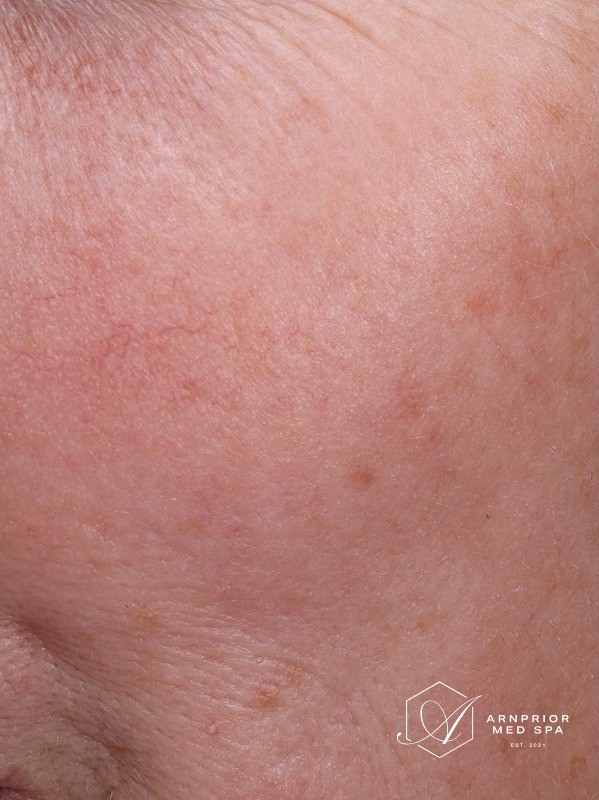
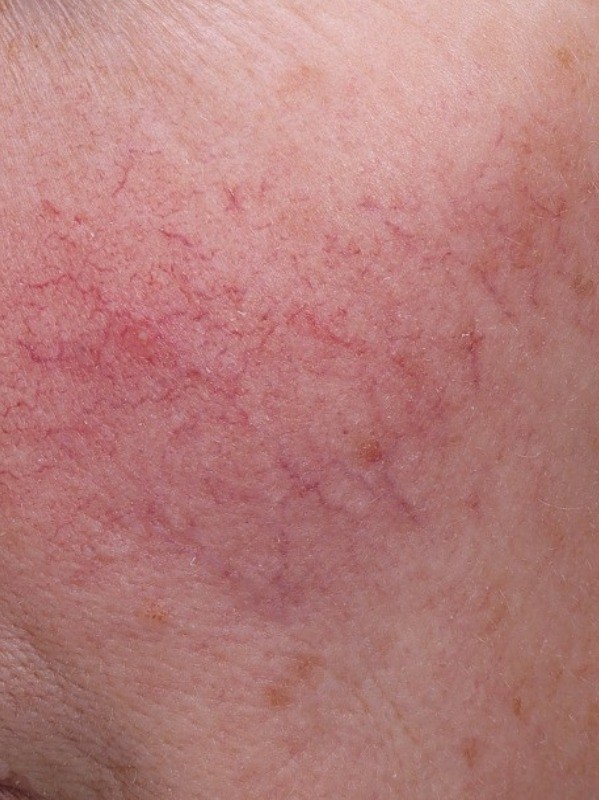 BeforeAfter
Drag any photo to compare
Where redness comes from
What Causes Facial Redness?
Facial redness develops when blood vessels become more visible or when the skin is inflamed, reactive or unable to tolerate its environment effectively.
Common contributing factors include:
- Rosacea
- Visible facial capillaries
- Repeated flushing
- Sun exposure
- Acne and post-inflammatory redness
- An impaired skin barrier
- Irritating or overly aggressive skincare
- Heat, exercise and temperature changes
- Hormonal or medical factors
- Certain medications
Some redness is primarily vascular, while other redness is being driven by active inflammation or barrier disruption. Many clients have more than one contributing factor.
This is why we do not automatically treat every red complexion with a laser.
Not all redness is the same
Understanding the Different Types of Redness
Persistent Background Redness
Diffuse redness may be visible across the cheeks, nose, chin or central face. It may have a vascular component, but sensitivity, inflammation and possible rosacea symptoms should also be considered.
Visible Facial Vessels
Small red, purple or blue vessels may appear around the nose, cheeks or chin. These defined vessels can often be treated more precisely with vascular laser.
Facial Flushing
Flushing is redness that comes and goes. It may be triggered by temperature changes, exercise, stress, alcohol, spicy foods or skincare products. Laser may reduce persistent visible vessels, but it cannot prevent every flushing response.
Rosacea-Associated Redness
Rosacea is a chronic medical skin condition that may involve flushing, persistent redness, visible vessels, sensitivity and acne-like bumps. Laser may improve selected vascular features, but it does not cure rosacea or replace medical management.
Red Post-Acne Marks
Flat pink or red marks that remain after acne are known as post-inflammatory erythema. These are different from brown post-acne pigmentation and indented acne scars.
Reactive or Barrier-Impaired Skin
Skin that burns, stings, feels tight or reacts to multiple products may need to be calmed before any procedural treatment is considered.
Our approach
How We Approach Facial Redness and Rosacea
There is no single best treatment for facial redness because redness can develop for different reasons.
Someone with reactive, barrier-impaired skin requires a different approach from someone with persistent vascular redness, visible facial vessels or red post-acne marks.
At Arnprior Med Spa, our approach follows a clear sequence:
Assess the skin → Prepare and strengthen → Treat visible vessels → Support and reassess
We begin with a comprehensive consultation and VISIA Skin Analysis. When preparation is needed, we introduce an individualized ZO Skin Health regimen before progressing to Derma V vascular laser and Healite II LED.
VISIA Skin Analysis + Clinical Assessment
For Identifying Redness, Pigment + Overlapping Concerns
ZO Skin Health Preparation
For Calming, Regulating + Strengthening the Skin
Derma V Vascular Laser
For Visible Vessels + Persistent Vascular Redness
VISIA Skin Analysis + Clinical Assessment
For Identifying Redness, Pigment + Overlapping Concerns
Our redness pathway begins with a comprehensive skin consultation and VISIA Skin Analysis.
VISIA imaging helps us document visible and underlying features, establish a baseline and identify other concerns that may exist alongside redness, such as pigmentation, sun damage or uneven texture.
During your assessment, we consider:
- whether the redness is persistent or comes and goes
- the location and pattern of visible vessels
- whether marks are red, brown or textural
- signs of sensitivity or barrier disruption
- skincare products and active ingredients currently being used
- known flushing triggers
- previous procedures and treatment responses
- health history, medications and contraindications
VISIA supports our assessment and progress tracking, but it does not diagnose rosacea or another medical condition. If your symptoms require medical investigation, we will recommend that before cosmetic treatment.
ZO Skin Health Preparation
For Calming, Regulating + Strengthening the Skin
Before performing a laser procedure, we assess whether the skin is calm, supported and able to tolerate treatment appropriately.
When the skin is irritated, inflamed or highly reactive, we begin with an individualized ZO Skin Health regimen. The purpose is to remove unnecessary sources of irritation, strengthen barrier function and support healthier skin function before introducing laser energy.
Your preparation may include:
- a suitable cleansing routine
- barrier-supportive hydration
- daily broad-spectrum sun protection
- products selected to address oil, inflammation or sensitivity
- gradual introduction of active ingredients when appropriate
- removal of products that may be contributing to irritation
- individualized instructions before treatment
Preparation is not identical for everyone. Reactive skin should not automatically be given an aggressive routine, and not every ZO product is appropriate for every red complexion.
The length of this phase depends on the condition of the skin and how it responds. Some clients need only minor changes, while others benefit from a longer period of preparation before laser treatment.
We do not rush inflamed or poorly prepared skin into a procedure.
Derma V Vascular Laser
For Visible Vessels + Persistent Vascular Redness
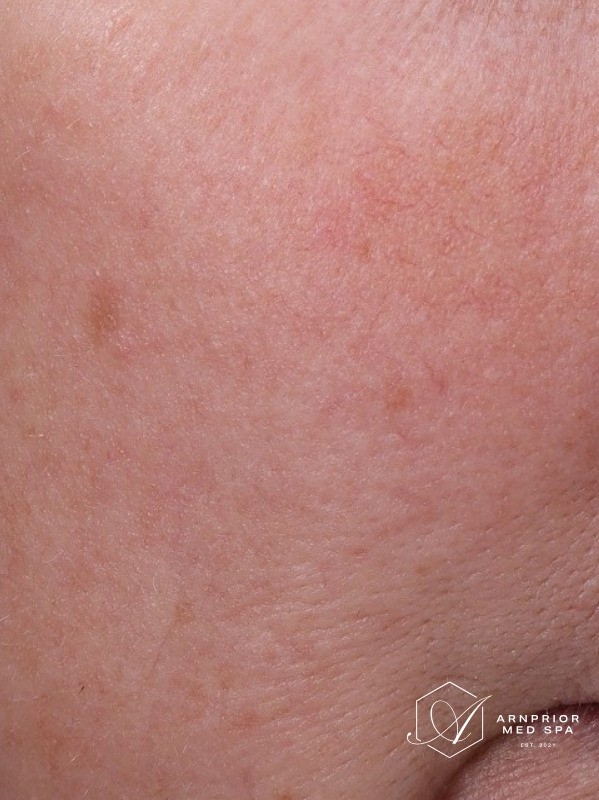
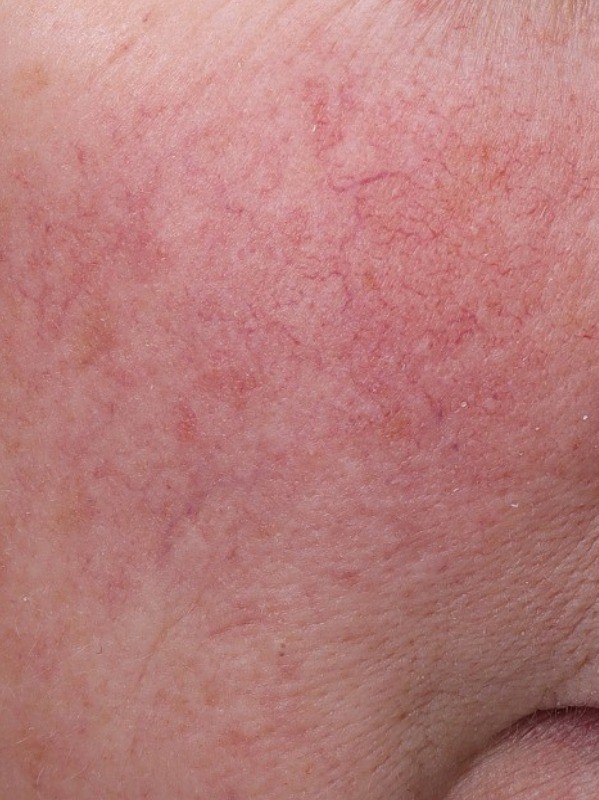
Once the skin is sufficiently calm and prepared, Derma V may be used to target the visible vascular component of redness.
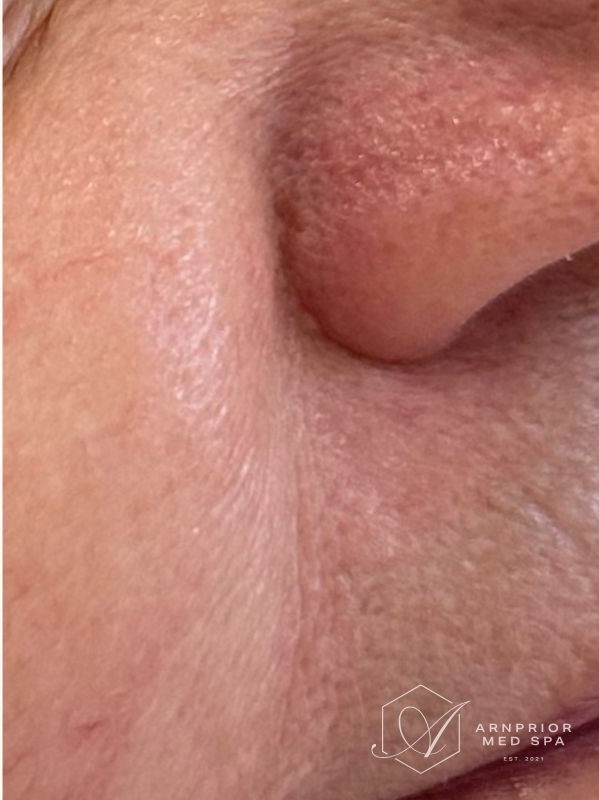
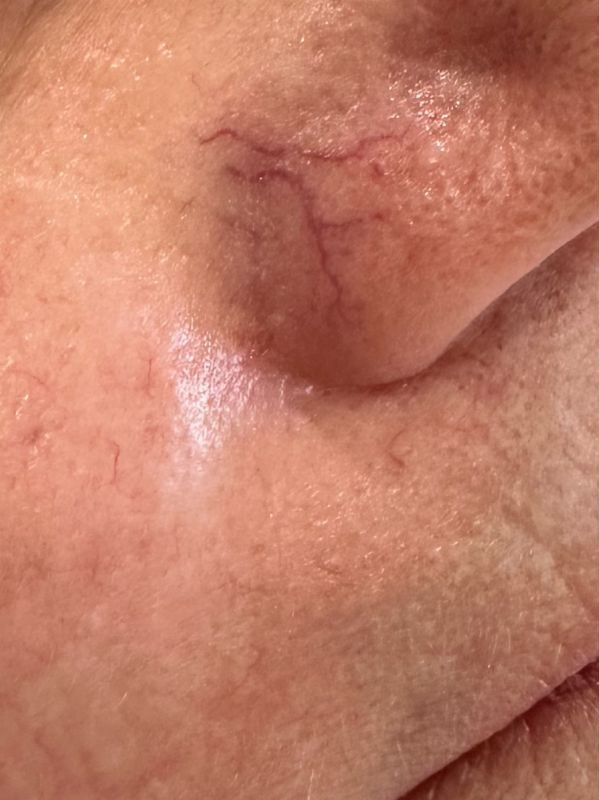 BeforeAfter
 BeforeAfter
Drag any photo to compare
Derma V combines two vascular wavelengths:
532 nm KTP is commonly considered for superficial redness and small visible facial vessels.
1064 nm Nd:YAG reaches deeper and may be selected for certain larger, darker or deeper vascular targets.
We particularly consider Derma V for:
- small visible facial capillaries
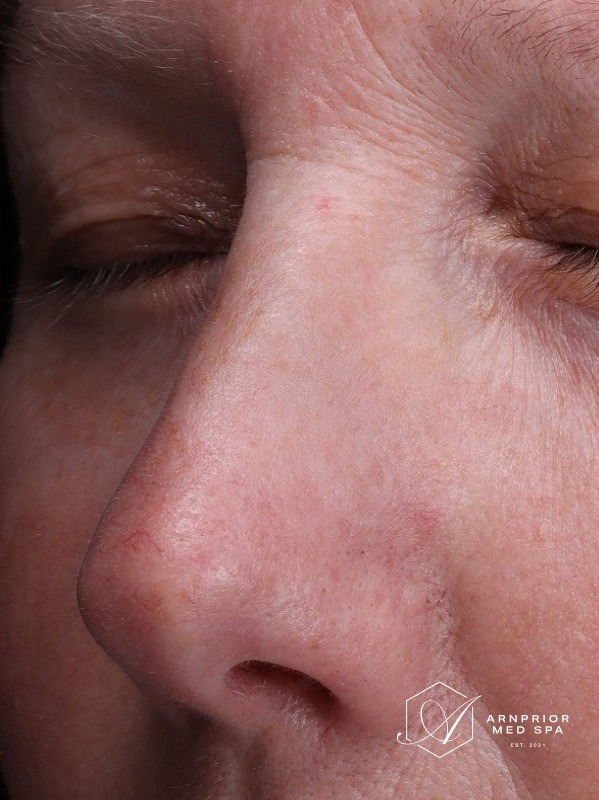
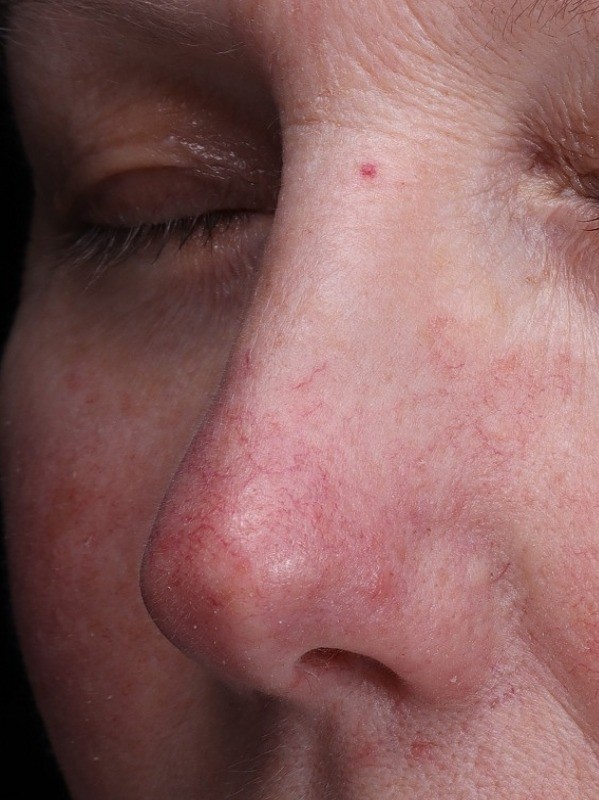
- vessels around the nose
- selected persistent background redness
- rosacea-associated visible vessels
- flat red or pink post-acne marks
- selected deeper blue or purple vessels
- certain vascular lesions after appropriate assessment
 BeforeAfter
 BeforeAfter
Drag any photo to compare
The wavelength, spot size, pulse duration and other treatment parameters are selected according to the colour, size and depth of the vascular target, as well as skin type and individual risk.
 BeforeAfter
Drag to compare
Derma V may reduce visible vessels and vascular redness, but it does not cure rosacea, prevent every flushing response or treat redness caused entirely by active irritation.
Corrective and supportive
Why We Use Derma V and Healite II Together
Derma V and Healite II may be used within the same redness treatment plan, but they do not perform the same function.
Derma V is the corrective treatment. It delivers targeted vascular laser energy to selected visible vessels and vascular redness.
Healite II is the supportive treatment. Its LED photobiomodulation may be used to support reactive skin during preparation or recovery without intentionally heating, injuring or resurfacing the tissue.
When appropriate, we combine them within a structured pathway:
Assess with VISIA → Prepare with ZO Skin Health → Treat with Derma V → Support with Healite II → Reassess
This allows us to address the visible vascular target while also supporting the condition and tolerance of the surrounding skin.
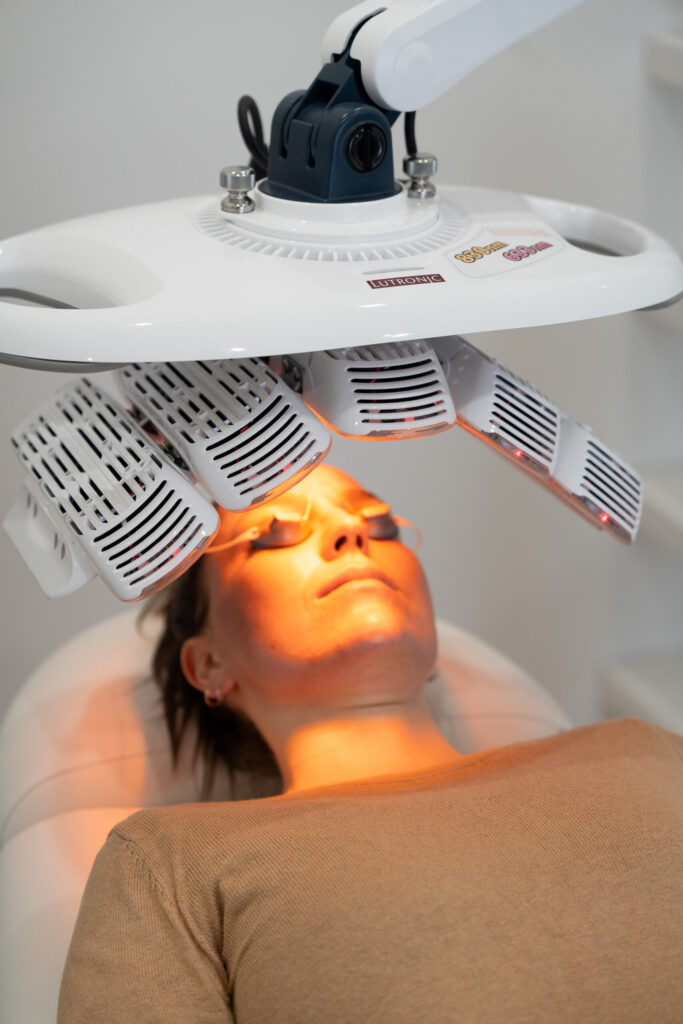
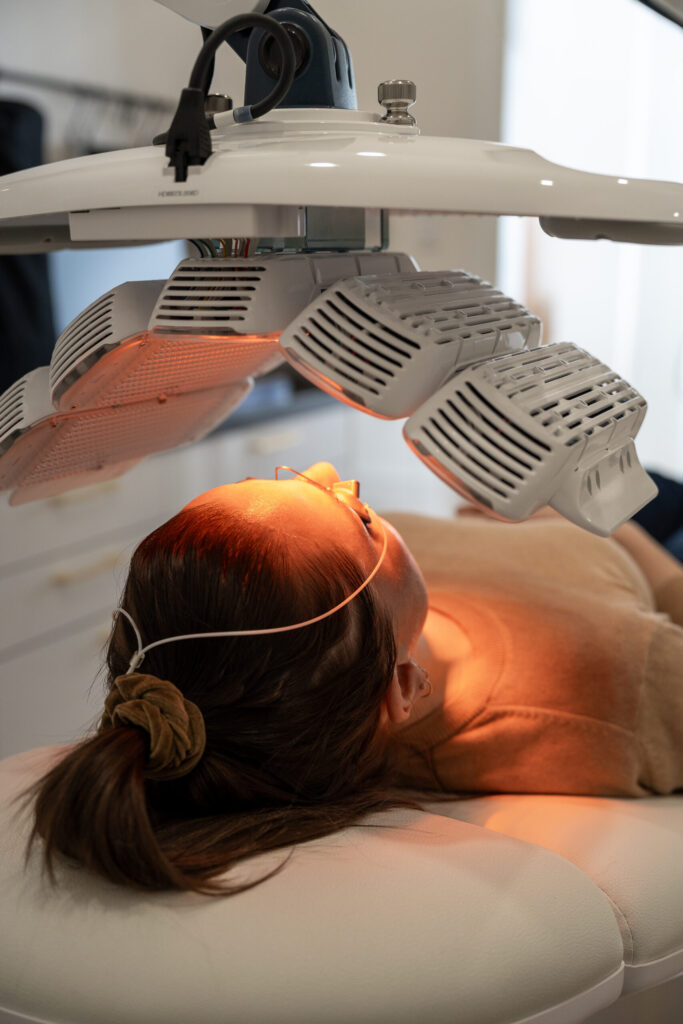
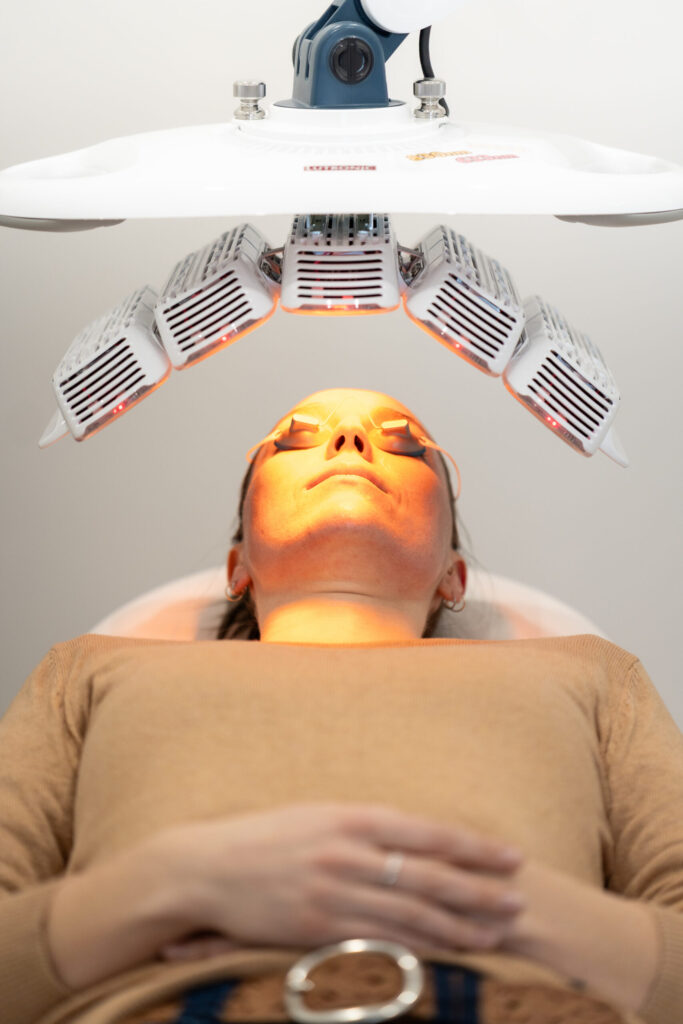
Healite II LED
For Gentle Skin Support + Treatment Recovery
Healite II LED may be incorporated before or after selected vascular treatments as part of a broader redness plan.
Unlike vascular laser, LED does not target and close visible blood vessels. Its role is supportive rather than corrective.
We may incorporate Healite II to:
- provide a gentle treatment option for reactive skin
- support the skin during its preparation phase
- complement an individualized skincare plan
- support recovery following selected procedures
- provide ongoing maintenance when stronger treatment is not appropriate
Healite II may be used alongside ZO Skin Health preparation and Derma V, but each treatment performs a different role.

Facial Redness Treatment Near Ottawa
Arnprior Med Spa provides assessment-led treatment for persistent facial redness, visible capillaries and selected rosacea-associated vascular concerns.
Located in Arnprior, we welcome clients from Renfrew, Kanata, Carp, Stittsville, Pembroke, Petawawa and communities throughout the Ottawa Valley.
Clients travel to our clinic for a structured approach that combines VISIA Skin Analysis, individualized ZO Skin Health preparation, Derma V vascular laser and Healite II LED support when appropriate.
Frequently Asked Questions About Facial Redness and Rosacea
Next step
Start With a Facial Redness Assessment
You do not need to know whether your skin requires skincare, LED therapy, vascular laser or medical assessment before booking.
We will assess the pattern of redness, document your starting point with VISIA and examine whether the skin requires calming and strengthening before treatment. You will receive a clear recommendation explaining what should happen first, what each treatment can realistically address and when referral may be more appropriate.
Arnprior Med Spa is located in Arnprior and serves clients from Ottawa, Kanata, Carp, Renfrew and throughout the Ottawa Valley.
