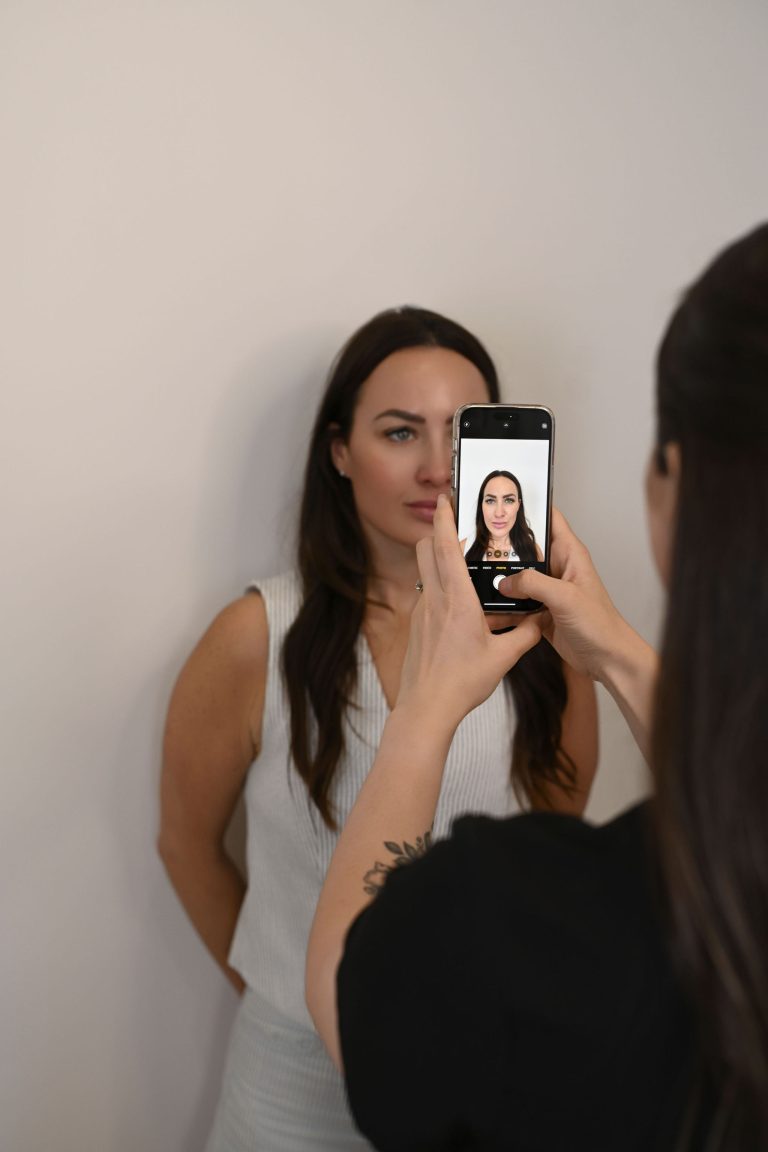
The Ultimate Skin Guide for Your 30s and 40s
Simple, strategic steps for achieving the skin of your dreams now—and setting yourself up to age like fine wine
You’ve been busy taking care of everything—your work, your family, your group chat’s emotional needs—and your skin has taken a bit of a back seat.
Maybe you’ve tried a few things: a vitamin C serum that smelled like pennies, a retinol that made your skin peel, a “wrinkle smoothing” cream from Sephora that broke you out. Nothing has really worked, and you’re starting to wonder if your old skin is gone for good.
At Arnprior Med Spa, we meet a lot of women at this stage. They’re not trying to overhaul their face. They just want their skin to look like it used to—and they want to feel confident that they’re doing the right things for their future skin, too.
Here’s how we start:
What causes skin aging in your 30s and 40s?

You might still feel 25 inside (don’t we all), but your skin knows otherwise.
Many patients in their 30s and 40s come to us looking for melasma treatment, sun spot removal, or help with early wrinkles.
While they can be irritating on their own, those brown spots that won’t fade and the fine lines around your eyes are all early signs of deeper structural changes happening beneath the surface.
The most common skin concerns we see at this stage:
Surface-level skin changes:
- Hyperpigmentation or sun spots (small brown spots)
- Melasma (brown splotches), often after having kids or starting birth control
- Dull or uneven skin tone
Structural skin changes:
- Fine lines, especially around the eyes or forehead
- Skin feels thinner, less “bouncy”
These changes may feel random, but they usually come down to two things:
Collagen Loss
Collagen is the protein that gives your skin firmness, bounce, and the ability to repair itself after breakouts or sun damage. Starting in your 20s, your body makes less of it every year.
With less collagen being produced—and more of it breaking down—your skin loses the structural support that kept it looking smooth and resilient. Over time, this leads to thinner skin, more visible lines, and slower recovery from damage.
UV Exposure
Sun exposure is one of the fastest ways to break down collagen. Even low-grade, daily exposure (like driving or walking outdoors) damages the skin barrier and causes pigmentation to rise to the surface. Because UV exposure breaks down collagen, it essentially causes your skin to age more rapidly.
It also causes skin concerns in the short-term, like hyperpigmentation (“sun spots”), uneven or ruddy skin tone, a rougher skin texture, and faster onset of fine lines.
Bottom line: the earlier you support your collagen, the longer your skin holds up. That’s why…
Prevention is key
The good news? In your 30s and 40s, most skin concerns are still easy to treat. That means you can absolutely achieve the skin of your dreams right now. But more importantly, you are perfectly positioned to start investing in the skin of your future.
Why Timing Matters
Your skin responds better to collagen-stimulating treatments now than it will in your 50s or 60s. As collagen production slows with age, so does your skin’s ability to use that collagen to rebuild and bounce back.
That means a single collagen-stimulating treatment in your 30s could give you the same results as two treatments later on.
By strengthening your skin now, you’re not just fixing what you see: you’re protecting your skin decades from now (and saving yourself money in the process).
Your goal in your 30s and 40s
- Treat what you can see
- Strengthen your skin for what’s to come
- Set your skin up to age well
Here’s what we recommend:
Start with medical-grade skincare
High-quality, effective skincare is the foundation of everything we do.
If you aren’t taking care of your skin every day, no treatment will deliver the results you’re hoping for. Consistent, medical-grade skincare establishes a baseline of skin health and supports natural skin cell turnover.
The right regimen improves skin tone, reduces pigment, and strengthens the skin barrier. That’s especially important in your 30s and 40s, as collagen declines and UV damage adds up.
Medical-grade skincare is also the most cost-effective way to make real, visible progress. It targets deeper skin concerns that over-the-counter products can’t reach and is tailored to your skin’s needs.
We usually start with a protocol that supports skin renewal and targets pigment. This builds a stronger, more resilient skin barrier and sets you up for better results from in-clinic treatments.
Why skin cell turnover matters
Your skin naturally sheds and renews itself every 28–40 days, but that process slows down with age. When dead skin cells build up on the surface, it dulls your complexion, traps pigment, and makes it harder for your skin to repair itself.
Medical-grade skincare supports this renewal cycle by clearing out old, damaged cells and encouraging the production of healthy new ones. Over time, this reduces visible pigment, smooths texture, and keeps your skin functioning the way it’s meant to.
Don’t skip the sunscreen
Sunscreen is the single most powerful anti-aging product or treatment you can use.
Consistent SPF use doesn’t just prevent new sun damage: it actively protects your collagen from breaking down further. Daily application (yes, even on cloudy days) will do more for your skin long-term than any serum or chemical peel ever could.
Conservative Botox and filler prevent wrinkles and preserve your facial structure
Injectables might sound intimidating, especially if all you’ve seen are the unnatural-looking, overdone results online. But at Arnprior Med Spa, we use them very differently.
We don’t use Botox and filler to change your face. We use them to preserve and protect it.
What Botox does
Those lines you see on your face when you smile or frown? Over time, they can become permanent even when your face is at rest.
Botox works by relaxing the muscles that cause those repetitive movements. That means fewer lines forming in the first place. When started early, Botox can prevent the skin from showing signs of being overworked by the face muscles.
What filler does
You might not notice it happening, but the shape of your face has already started to change.
In your 30s and 40s, your bone structure slowly shifts, fat pads begin to descend, and certain parts of the face (like the cheeks, temples, and under-eyes) start to look more hollow or flat.
Strategic touches of dermal filler can subtly restore that volume loss and preserve the structure of the face.
Why we take a conservative approach
Every injection at Arnprior Med Spa is done with strategy, restraint, and long-term planning. We build results slowly over time to make sure everything looks natural and balanced. You’ll never be pushed to do more than you want.
Botox and filler are some of our most subtle yet powerful treatments. Most of our patients are surprised by how undetectable the results are.
LaseMD Ultra laser clears hyperpigmentation and sun damage
The LaseMD Ultra is our go-to laser for treating sun damage, melasma, and early texture changes in your 30s and 40s.
It works by creating tiny thermal channels in the upper layers of the skin. This triggers a healing response that clears pigmentation, stimulates new collagen production, and strengthens the skin barrier.
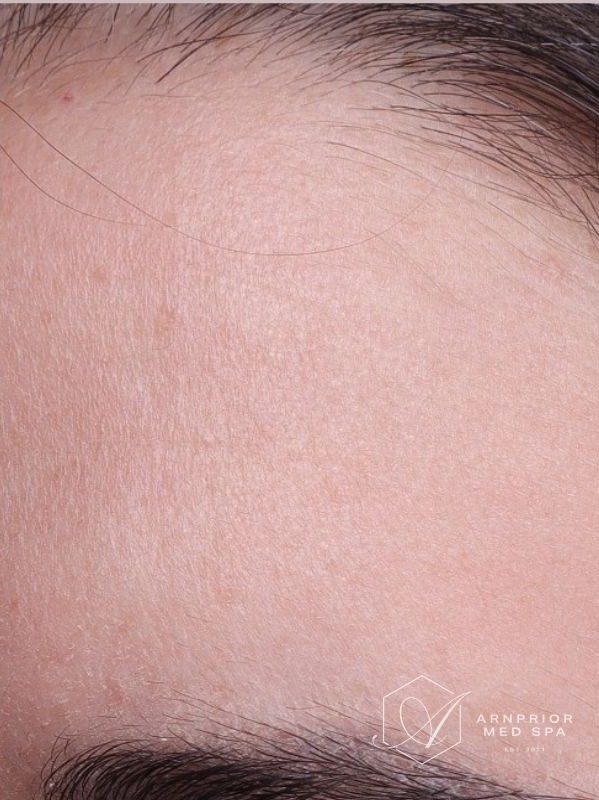
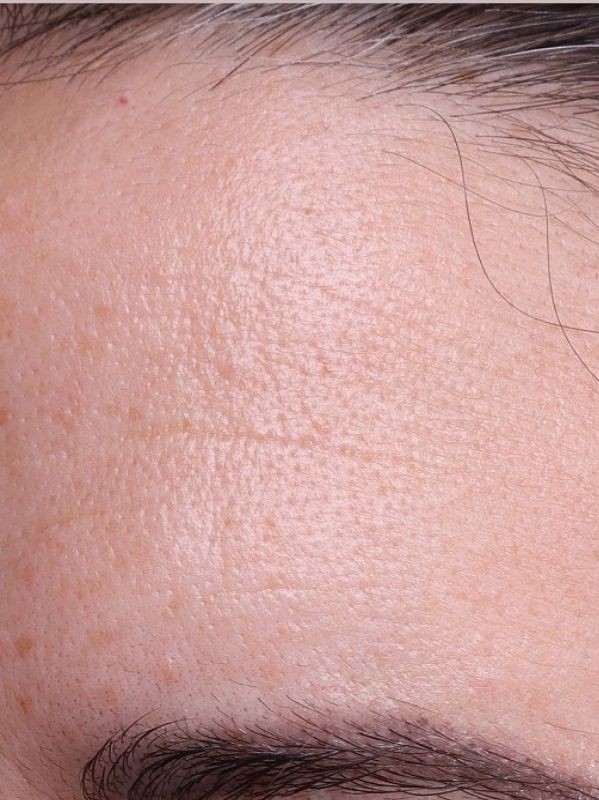
LaseMD Ultra Skin Resurfacing Before & After
 BeforeAfter
Skin texture before and after laser skin resurfacing
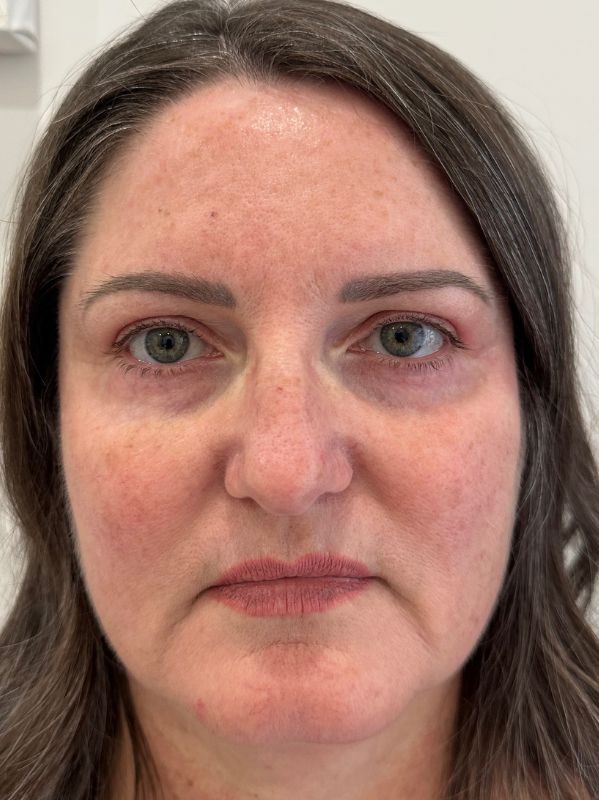 BeforeAfter
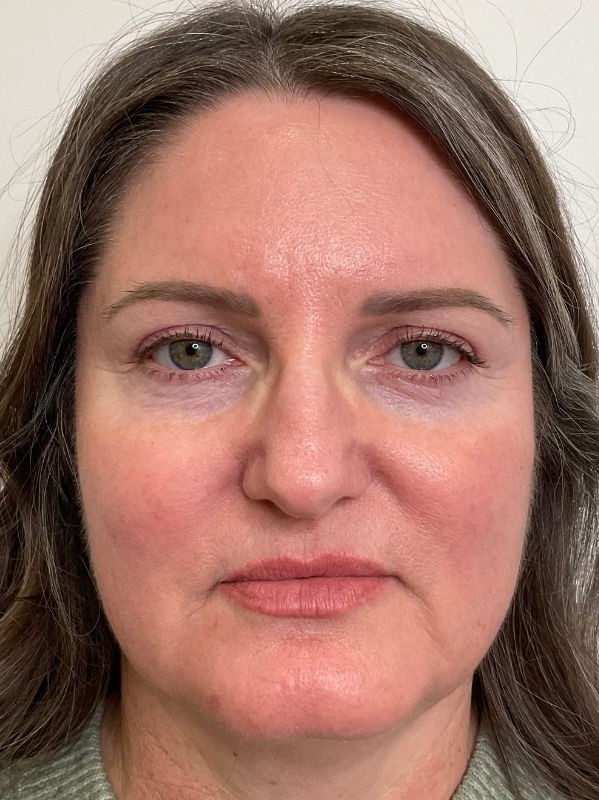
Pigmentation before and after laser skin resurfacing with LaseMD Ultra
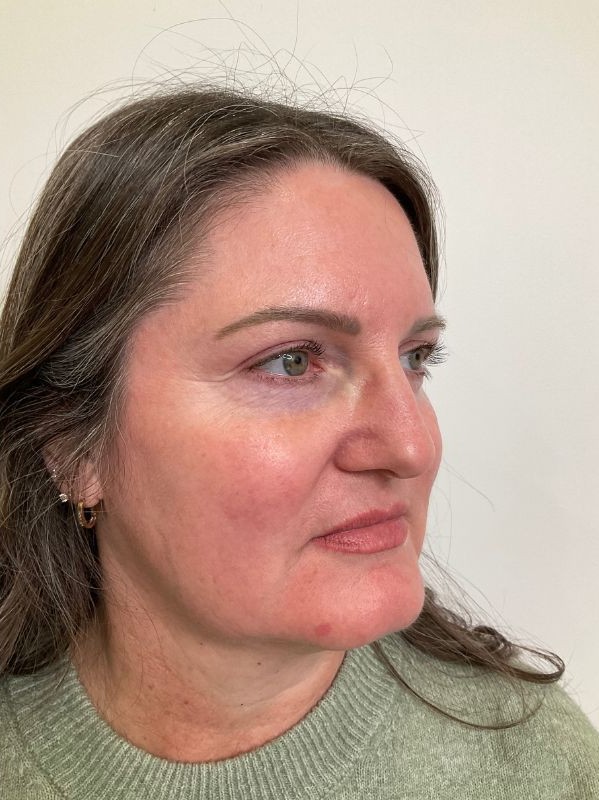
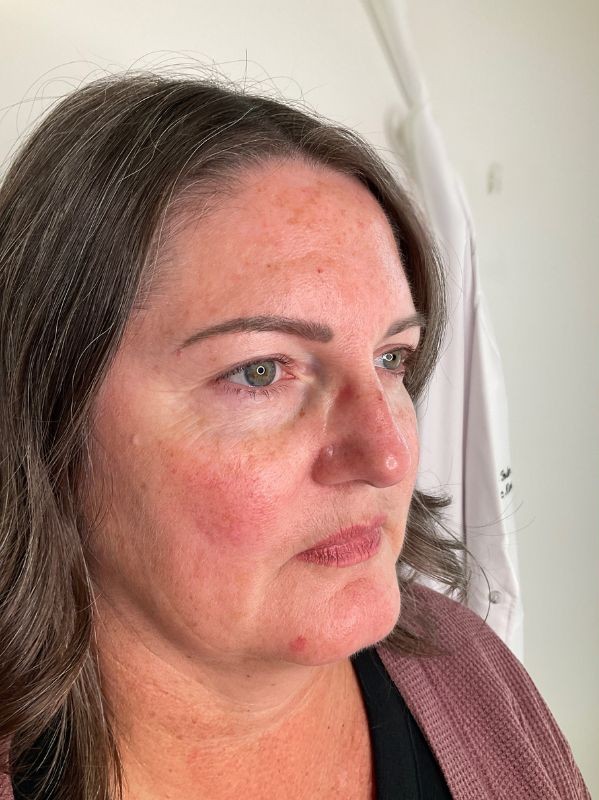 BeforeAfter
Pigmentation before and after fractional laser resurfacing with LaseMD Ultra
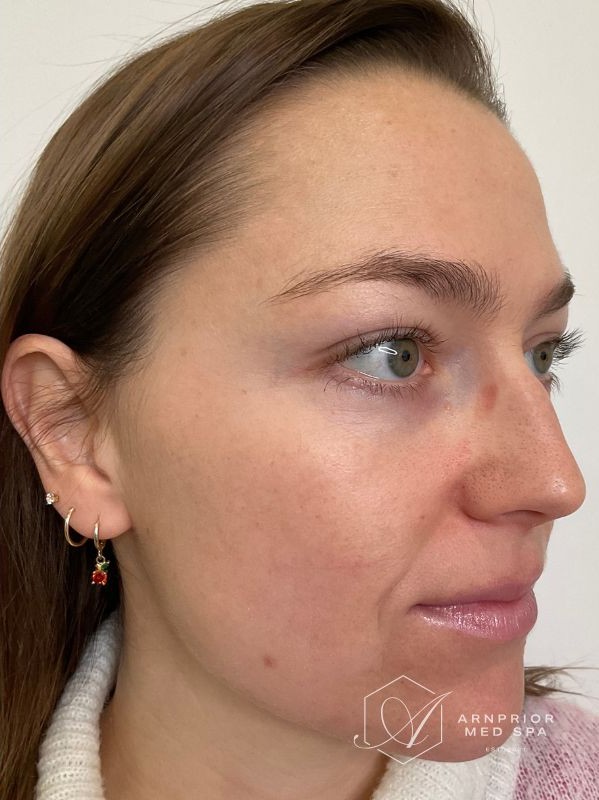
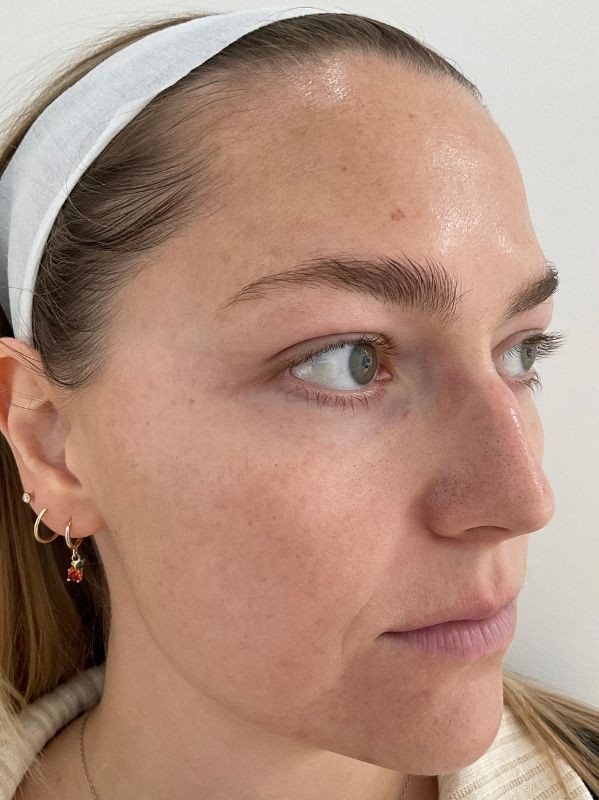 BeforeAfter
Pigmentation before and after 1 fractional laser resurfacing treatment
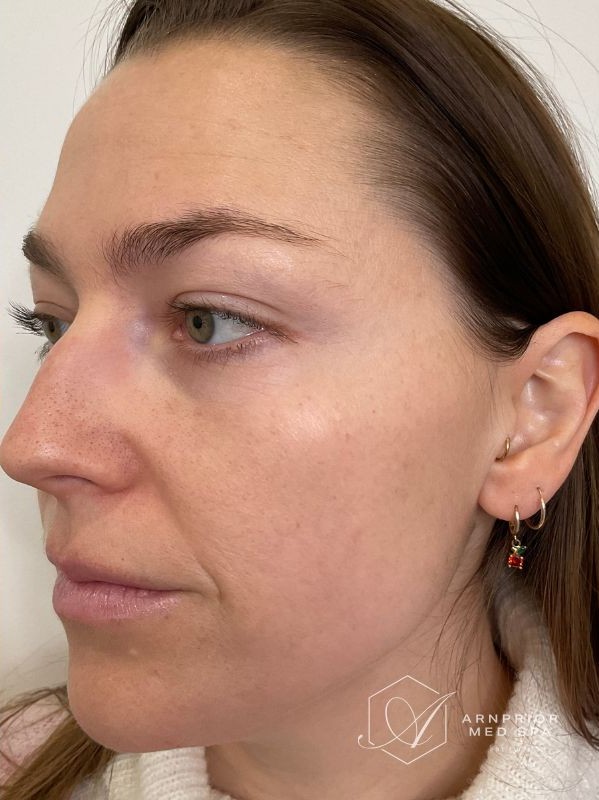
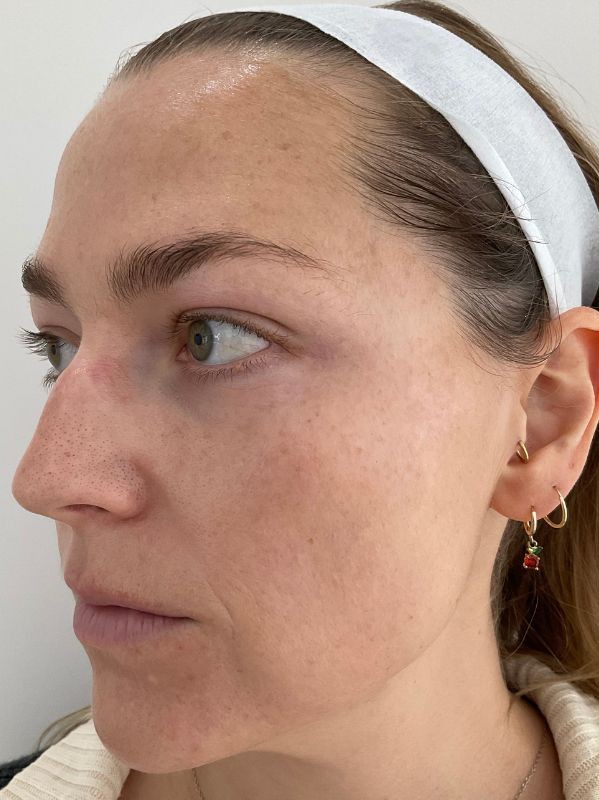 BeforeAfter
Pigmentation before and after 1 fractional laser resurfacing treatment
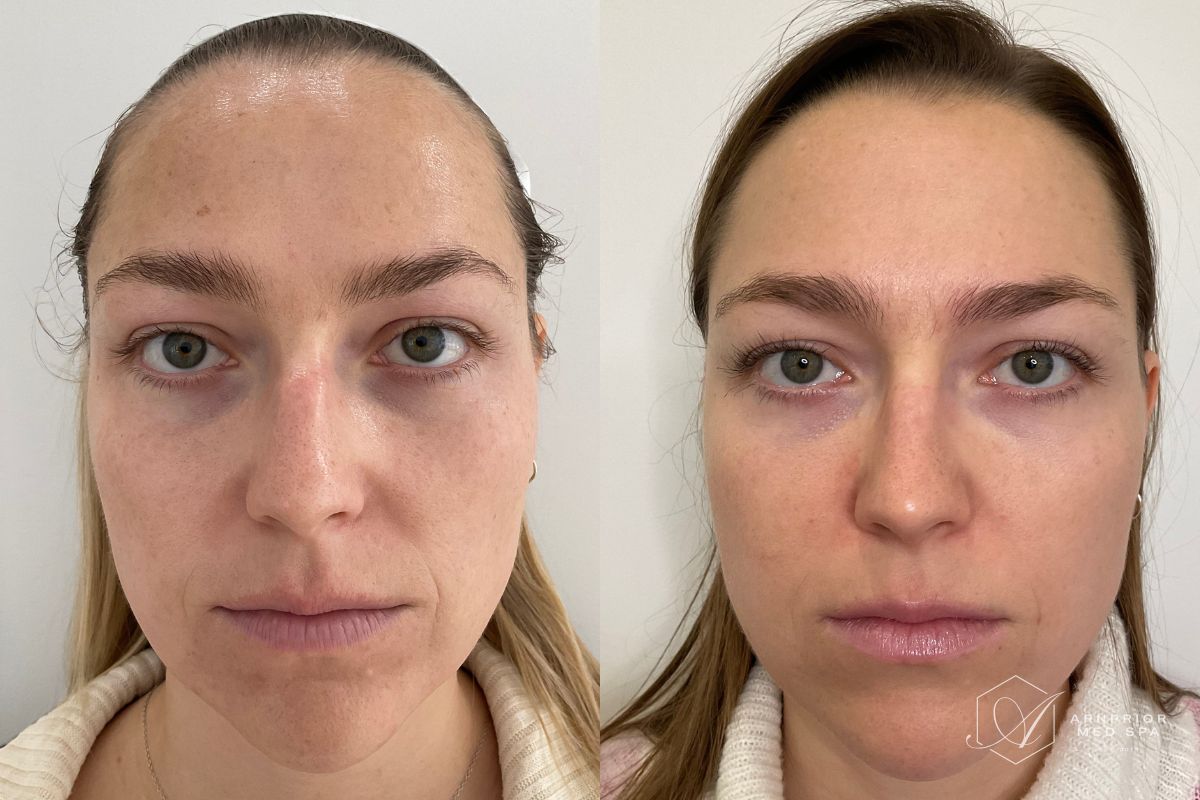
Drag any photo to compare
Stronger skin is more resilient to future damage. Collagen-rich skin not only looks smoother and firmer, but it ages more slowly.
With just 3–5 days of light redness and dryness, laser skin resurfacing is one of the most effective ways to fade pigmentation and build collagen without the downtime of more aggressive lasers.
RF Microneedling smooths texture and supports long-term firmness
Radiofrequency microneedling combines two proven technologies: tiny needles that create controlled micro-injuries in the skin, and targeted radiofrequency heat that reaches deeper layers of the skin.
This dual-action approach stimulates collagen throughout all levels of the skin. As the tissue heals, it becomes stronger, smoother, and more resilient.
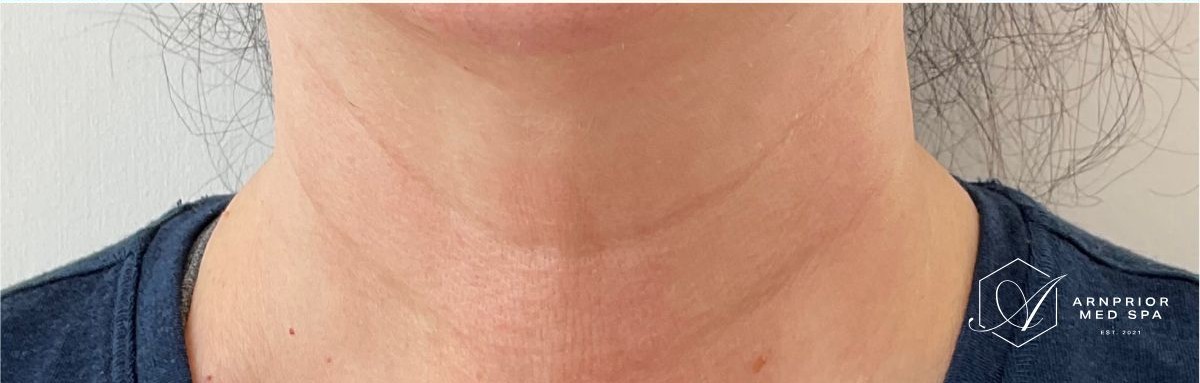
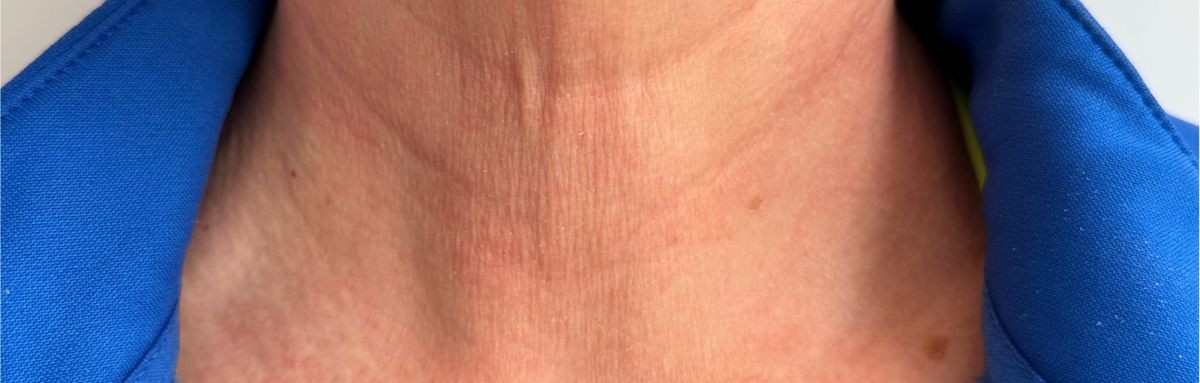
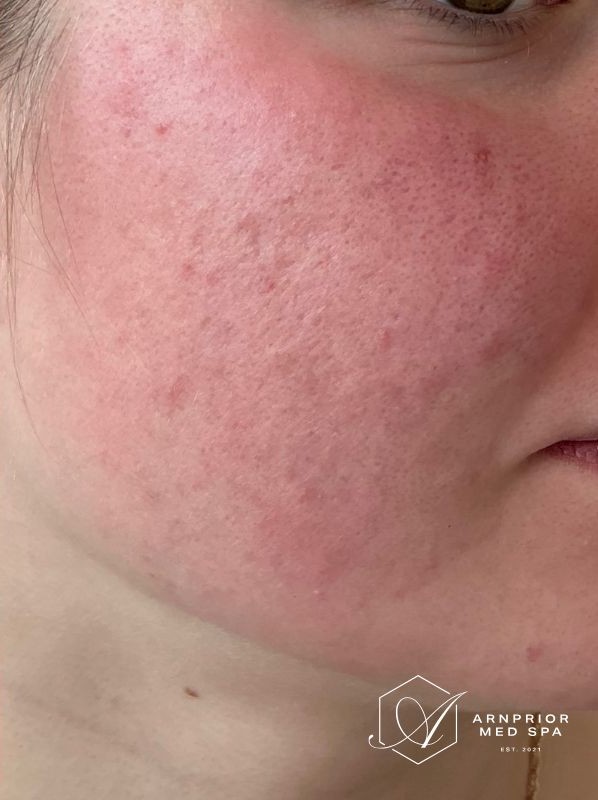
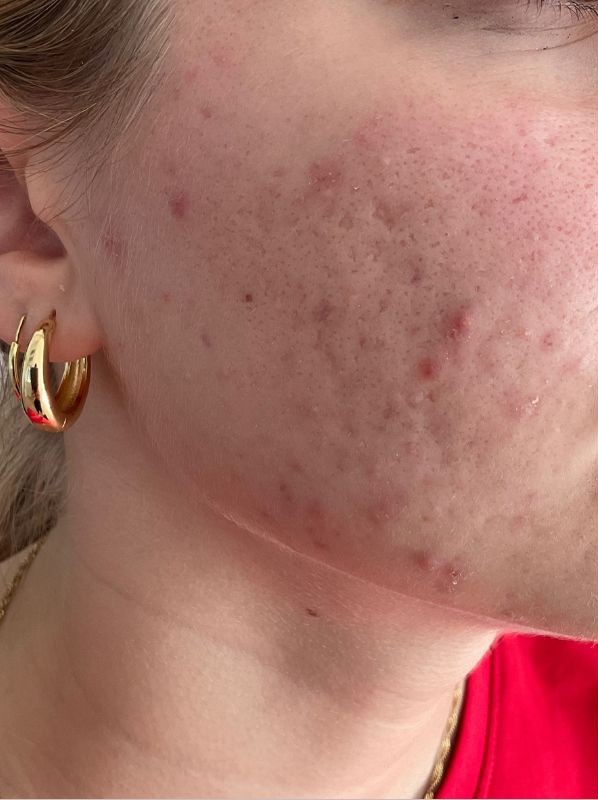
RF Microneedling is ideal for textural issues. It can reduce fine lines, refine rough texture, and smooth pitted acne scars. But what makes microneedling with radiofrequency especially valuable in your 30s and 40s is how it supports the skin long-term.
RF Microneedling Before & After
 BeforeAfter
Neck skin tightening before and after RF Microneedling
 BeforeAfter
Acne scars before and after RF Microneedling and CO2 Laser
Drag any photo to compare
By building collagen while your skin is still responsive, you’re preserving the structure of your face and slowing visible aging before it starts. This is one of the smartest ways to invest in the future of your skin.
Your treatment plan doesn’t need to be complicated.
You’re still young.
While you may not have a ton of skin issues just yet, you are perfectly positioned to easily treat any concerns you do have. You are also perfectly positioned to prevent or delay future concerns from rising.
The key is being intentional. The more you support your skin now, while it’s still producing collagen and bouncing back quickly, the less you’ll need to do later.
You don’t need a dozen treatments or a 12-step routine. Just a focused plan that strengthens your skin where it counts.
At Arnprior Med Spa, we’ll help you focus on what you actually need. Whether you’re treating melasma, smoothing fine lines, or just want to invest wisely in your future skin, we’ll guide you step by step.
Curious what comes next? Explore our aging guides for your 50s and 60s to see how your skin changes over time and what to do about it.